The Osimhen That Got Away: How Man Utd's AFCON Nonsense Cost Them a Serial Winner
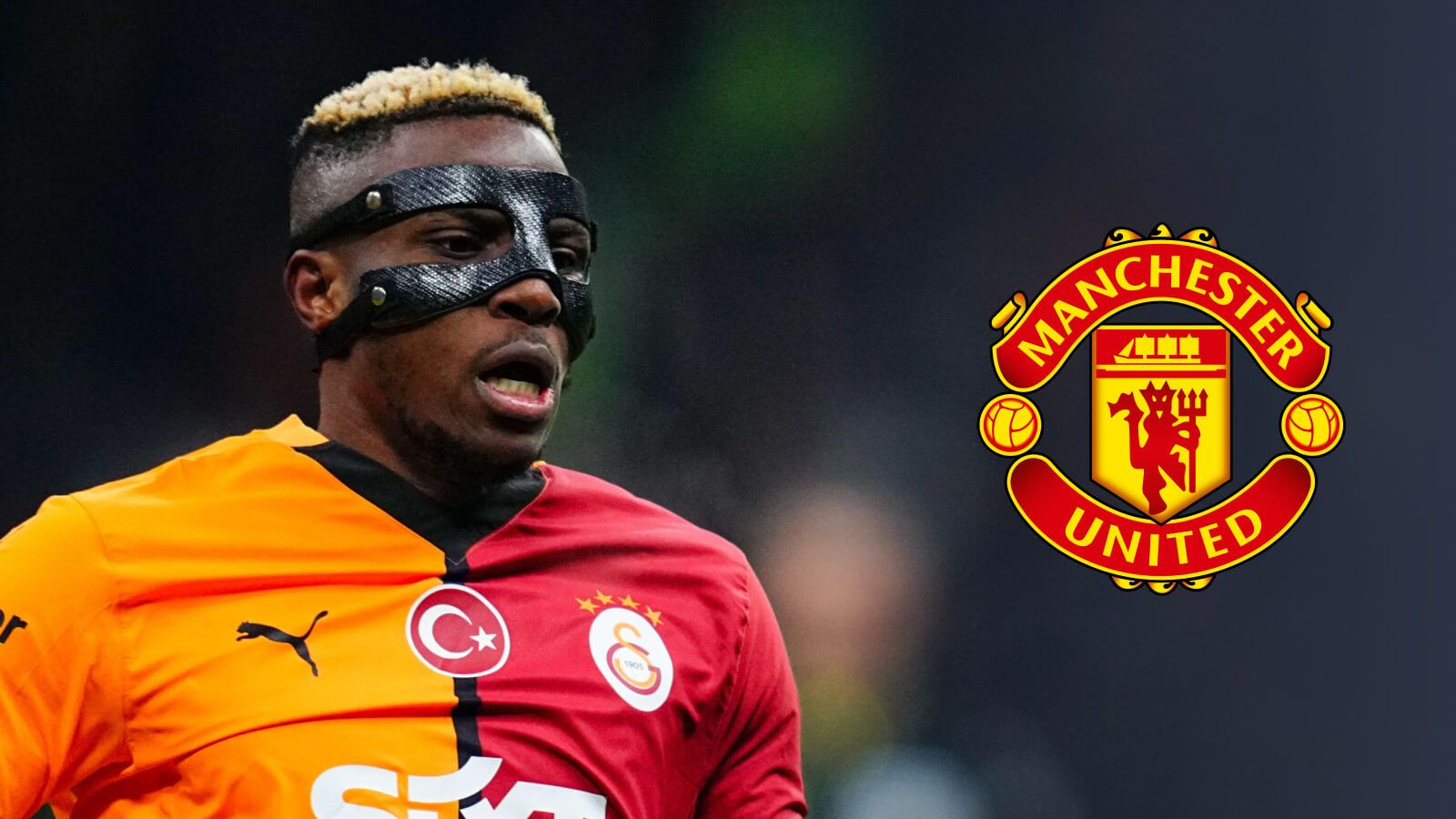
Victor Osimhen arrived at Juventus's ground bristling with frustration on Wednesday evening. Even after netting in extra-time to guide Galatasaray past ten-man Juventus in their European knockout fixture—with Baris Alper Yilmaz sealing the tie—the Nigerian forward couldn't mask his irritation with his teammates' performance.
Speaking to CBS Sports post-match, Osimhen laid bare his exasperation: "I prepare my teammate before we step on the pitch; I let them know how it is to come to Turin to try to get a win. I've played here also, and I know how difficult it is. I think some of them are kind of timid, and I try to motivate them and do the best I can. I cannot do it alone. I try to motivate them. I think some of them are kind of scared with the crowd and, of course, the way Juventus are playing. For me, we have a lot to improve on. When I try to speak, some of them tend not to listen. I just keep it going."
Such measured, purposeful leadership in victory reveals everything about Osimhen's character—a genuine winner paired with a ruthlessly clinical finisher. His Galatasaray record speaks volumes: 53 goals across 65 appearances, a continuation of his Napoli excellence where he plundered 76 in 133 matches.
Finding a more prolific European operator proves genuinely difficult. Yet watching him operate on the continent's grandest stages inevitably raises uncomfortable questions: why did he settle for a permanent Galatasaray switch, and—more pressingly—why weren't England's elite striker-hunting clubs lining up to prise him away?
Arsenal, Chelsea and Manchester United all splashed comparable sums on fresh attacking recruits, bringing in Viktor Gyokeres, Joao Felix and Benjamin Sesko respectively. Whilst those three have garnered considerable praise throughout the campaign, it strains credibility to imagine their respective clubs' summer recruitment wouldn't have benefitted from Osimhen leading their lines instead.
Wage expectations and his age relative to competing targets supposedly explained why he was overlooked—reasonable on paper, perhaps, yet unconvincing in practice. Manchester United's reasoning for plumping for Rasmus Hojlund in summer 2023 instead? Simply indefensible.
At that precise moment, Osimhen had just delivered Napoli their first league crown in 33 years, firing 26 league goals and earning continental admiration. Benni McCarthy, then part of Erik ten Hag's Old Trafford coaching setup, championed Osimhen as the "perfect fit" for United's needs. There existed one obstacle, however—his African heritage.
McCarthy himself revealed the absurdity to BBC World Service: "If you spend £100m on a player, you don't want to lose him for Afcon. I think he would have been very successful there. But it [Afcon] was a big stumbling block. Losing him for so many important matches, the team suffers not having the main striker there. So the decision was made. Literally [a] big part was because of the Afcon and Victor Osimhen's name got scratched off – not a player of interest because of that."
Following such logic would have robbed Liverpool of Mohamed Salah's 373 goal contributions, presumably costing them multiple Premier League titles. Chelsea's trophy cabinet would look considerably emptier without Didier Drogba. Yet United deemed Osimhen expendable on these grounds alone.
The club's recruitment approach has since evolved markedly, benefitting tremendously from their more inclusive multicultural strategy—just observe Bryan Mbeumo's outstanding Cameroon-derived contributions this season.
Certainly, avoiding excessive African representation to prevent squad decimation during AFCON windows carries strategic merit. However, rejecting a generational talent because he represents one of potentially two African players on the books—costing half-a-dozen matches every other season—constitutes genuine madness.
That misjudgement has haunted United relentlessly across two-and-a-half seasons. Osimhen scores league goals at one every 105 minutes. Hojlund manages one every 298 minutes for the Red Devils. The mathematics tell their own damning story.
Compare options