Carrick's Pragmatism Offers Manchester United a More Reliable Path Than Another Philosophy-Obsessed Manager
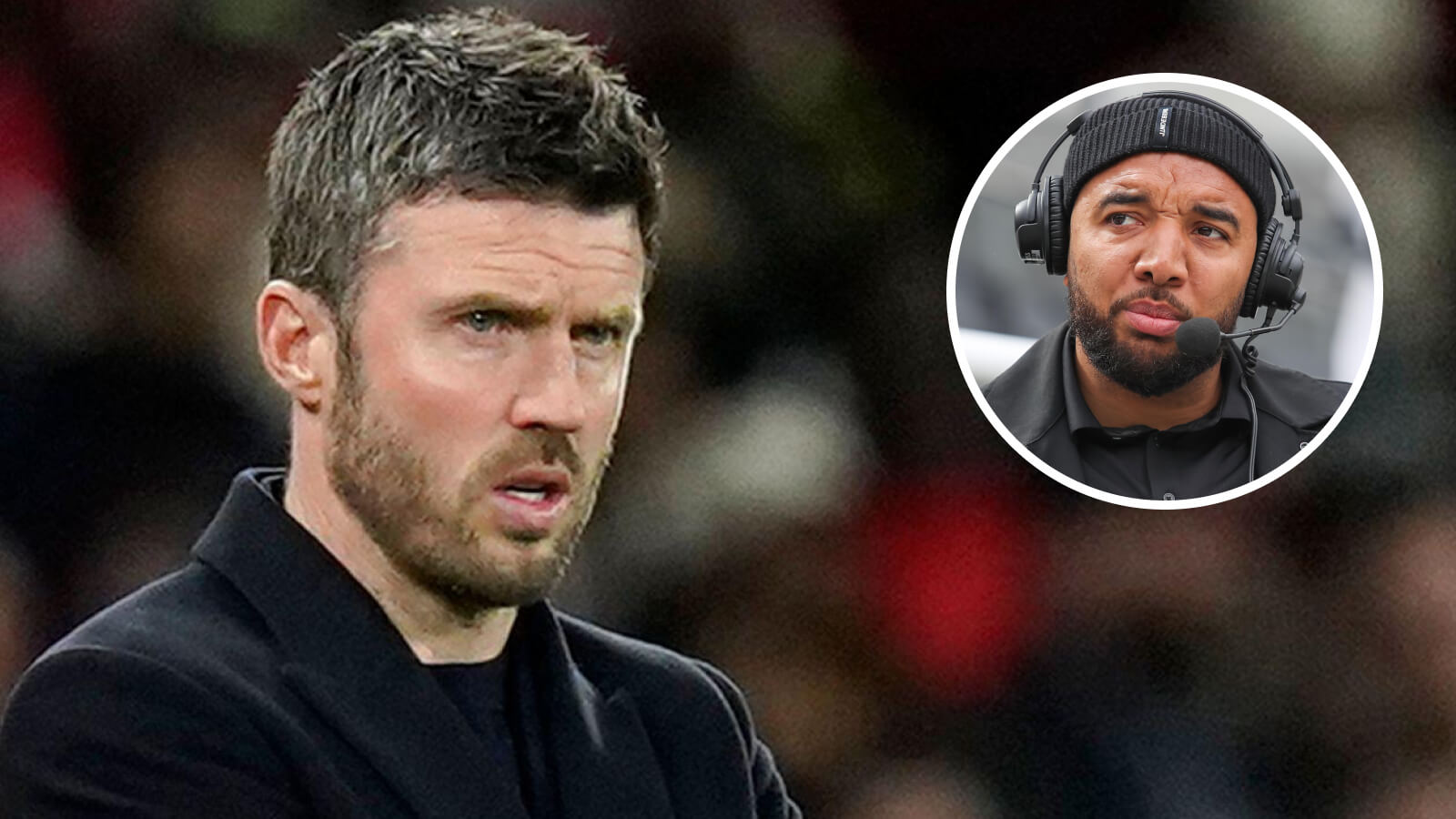
Michael Carrick has delivered something Manchester United failed to achieve under Ruben Amorim: genuine, sustained success. The interim manager has steered the Red Devils to the Premier League's summit, a development that has created considerable discomfort for those wedded to the idea that only a marquee appointment can restore the club's fortunes.
When Carrick took the reins in January, few entertained genuine optimism. The expectation was straightforward—steady the ship, maintain respectability, then hand over to a high-profile successor. Instead, he has orchestrated a remarkable turnaround that makes that script look rather quaint.
The numbers tell a compelling story. Carrick has secured Champions League qualification with three matches remaining, accumulating ten victories from fourteen matches. He has dismantled all five members of the Big Six besides Liverpool, plus Aston Villa, engineering a staggering 17-point swing between United and the Villans in the process.
Carrick has simultaneously strengthened his own case while watching potential alternatives fail to materialise with any enthusiasm. This creates an uncomfortable reality for those determined to resist reconsidering their position. Yes, Carrick lacks experience at the absolute pinnacle—that's difficult to dispute. Yet every manager must begin somewhere, and precious few have done so whilst carrying the weight of Manchester United's expectations.
The criticism loses its footing when detractors invoke "charisma" as a determining factor. Troy Deeney, appearing as a CBS Sports pundit, exemplifies this tendency. The former Watford striker remains unconvinced, suggesting Carrick never merited the opportunity in the first place.
"You want to give him the credit he deserves," Deeney remarked, his tone suggesting the opposite impulse. "I still don't know what their style of play is. Are they aggressive, front-footed type of team? Are they a low-block, sit-back type… I don't know because each week they are changing."
Presented as criticism, this observation actually represents Carrick's greatest asset. Amorim's tenure exposed the bankruptcy of the philosophy-first approach to management. Across football, coaches wedded to rigid tactical principles are becoming extinct—and rightly so. Such inflexibility makes teams predictable, easy prey for opponents willing to exploit their patterns. Yet it grants pundits and supporters convenient shorthand for analysis, allowing lazy categorisation to substitute for genuine tactical observation.
Deeney's inability to label Carrick's approach is precisely why he deserves credit. "Michael comes in, strips it back to basics, goes very simple in terms of putting the best players in their best positions," the analysis goes. That sounds suspiciously like competent management.
Carrick's pragmatism distinguishes his tenure. This remains Amorim's squad, yet Carrick extracts significantly greater returns—over a point per game more, to be precise. While Amorim's stubborn inflexibility undoubtedly eased Carrick's transition, the improvement transcends mere relief at managerial change.
United have not been flawless under Carrick. Arsenal and Manchester City witnessed the side's most accomplished displays; consistency remains elusive. Yet the performances have substantially exceeded Deeney's recollections, particularly his complaint about insufficient intensity against an undermanned Liverpool.
Carrick's credentials have strengthened considerably whilst simultaneously illuminating the specific areas requiring summer investment, particularly midfield. Should he influence that recruitment process, next season's assessment might finally employ appropriate context rather than the harsh standards some eagerly brandish whilst he remains patching holes and outperforming every alternative.
The candidate pool United initially envisioned simply has not materialised. In that vacuum, Carrick's demonstrated achievements and character profile represent the most prudent option available.
This guarantees nothing. Football management carries inherent risk; the sport's chronic managerial turnover reflects that reality. No appointment comes with success insurance. Yet at this precise moment, Carrick represents the most sensible wager.
Compare options