Mourinho's Vinicius Defence Slammed as 'Absolutely Pathetic' Victim-Blaming
The Mourinho Problem
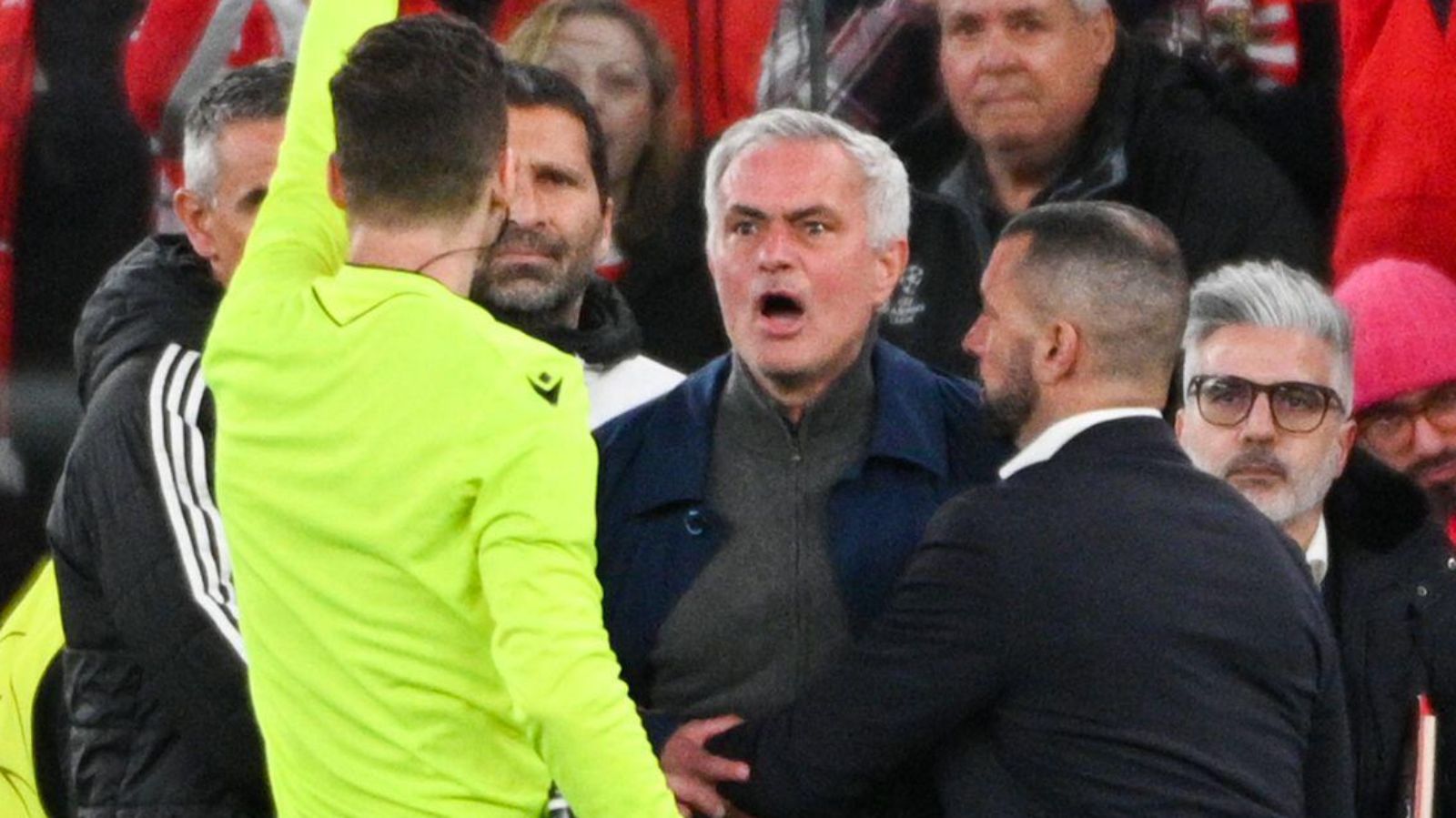
Jose Mourinho's handling of the Vinicius Jr racism controversy has drawn sharp rebuke, particularly for what many see as textbook victim-blaming wrapped in a dubious defence.
One supporter laid out the issue plainly: whilst the Real Madrid winger may rub people up the wrong way with his celebrations—fair game for ribaldry, certainly—there remains no justification whatsoever for racist abuse. The real sticking point came when Mourinho suggested the allegations couldn't possibly have been racist because Eusebio was black. That argument, observers note, is simply not acceptable from someone of his experience.
The underlying problem cuts deeper. Mourinho's invocation of having friends of colour as a shield against criticism represents precisely the kind of deflection that allows genuine racism to flourish unchallenged. Whether or not Vinicius occasionally behaves like a nuisance on the pitch—and reasonable people can disagree—has precisely nothing to do with whether he deserves protection from racial abuse.
Newcastle's Night and the Kavanagh Question
Newcastle's FA Cup victory over Aston Villa on Saturday produced a masterclass in controlled pressure and tactical adaptation, though referee Chris Kavanagh's bewildering display threatened to overshadow the on-pitch action entirely.
Kavanagh's performance left supporters genuinely baffled on multiple occasions. What made matters worse was the glaring disparity in how he managed the contest. Aston Villa's Lucas Digne might easily have collected two dismissals—a straight red for his challenge on Murphy, then yellows for handball and persistent fouling. Pau Torres similarly should have seen two cards in quick succession for his throat-grab on Dan Burn and subsequent dangerous play. Villa could have faced five red cards across their last two visits to St James' Park. Instead, just three were shown across the entire fixture.
The hope now is that Kavanagh's deselection for this weekend's Premier League matches gives him space to reset.
Eddie Howe's tactical flexibility deserves praise. The manager has evidently developed a Plan B, deploying Tonali as a deep-lying playmaker behind the centre-backs—a system that bore fruit when Woltemade arrived late to score his goal. Against Spurs previously, similar positioning proved effective. This represents clear evolution from earlier in the season.
Still, one shouldn't mistake progress for satisfaction. A trip to Qarabag in European competition looms, and whilst Champions League qualification remains the baseline target, genuine ambition demands more. An FA Cup run would sit nicely alongside European progression, though the fixture list suggests the path to Wembley won't be straightforward. Results this season haven't quite matched either squad quality or pre-season expectations, which remains genuinely frustrating when Manchester United sits so far clear.
Villa's supporters deserve credit too. Their applause for Jacob Ramsey leaving the field showed class. That's football done properly.
The VAR Debate Refuses to Die
The FA Cup weekend inevitably reignited the VAR conversation, and one seasoned observer offered a refreshingly pragmatic take: linesmen, it turns out, are remarkably competent at their jobs. When they miss offside calls, they're typically marginal. Blatant misses are virtually unheard of.
The real problem, this argument goes, stems from what VAR should and shouldn't review. Dangerous play, cheating, and penalty-box incidents absolutely warrant technological scrutiny. Offside? Not so much. Nobody genuinely cared about marginal decisions before VAR arrived—only the egregious ones drew complaint. The technology should never have been extended to offside in the first place.
Consider the alternative: when a goal goes in and the referee awards it, supporters celebrate knowing it can only be ruled out for handball, fouling an opponent, or similar clear-cut offences. That joy—that moment when a goal genuinely counts—has been systematically removed from the game. The cost to the spectacle far outweighs any marginal gain in accuracy.
The real question becomes harder to answer: does common sense exist within the PGMOL? Why do the same complaints persist season after season with zero meaningful change? It's enough to make one wonder whether the people most determined to become referees are precisely the people who shouldn't be.
Compare options