Chelsea's £44.8m Managerial Revolving Door: When Compensation Fees Get Out of Hand
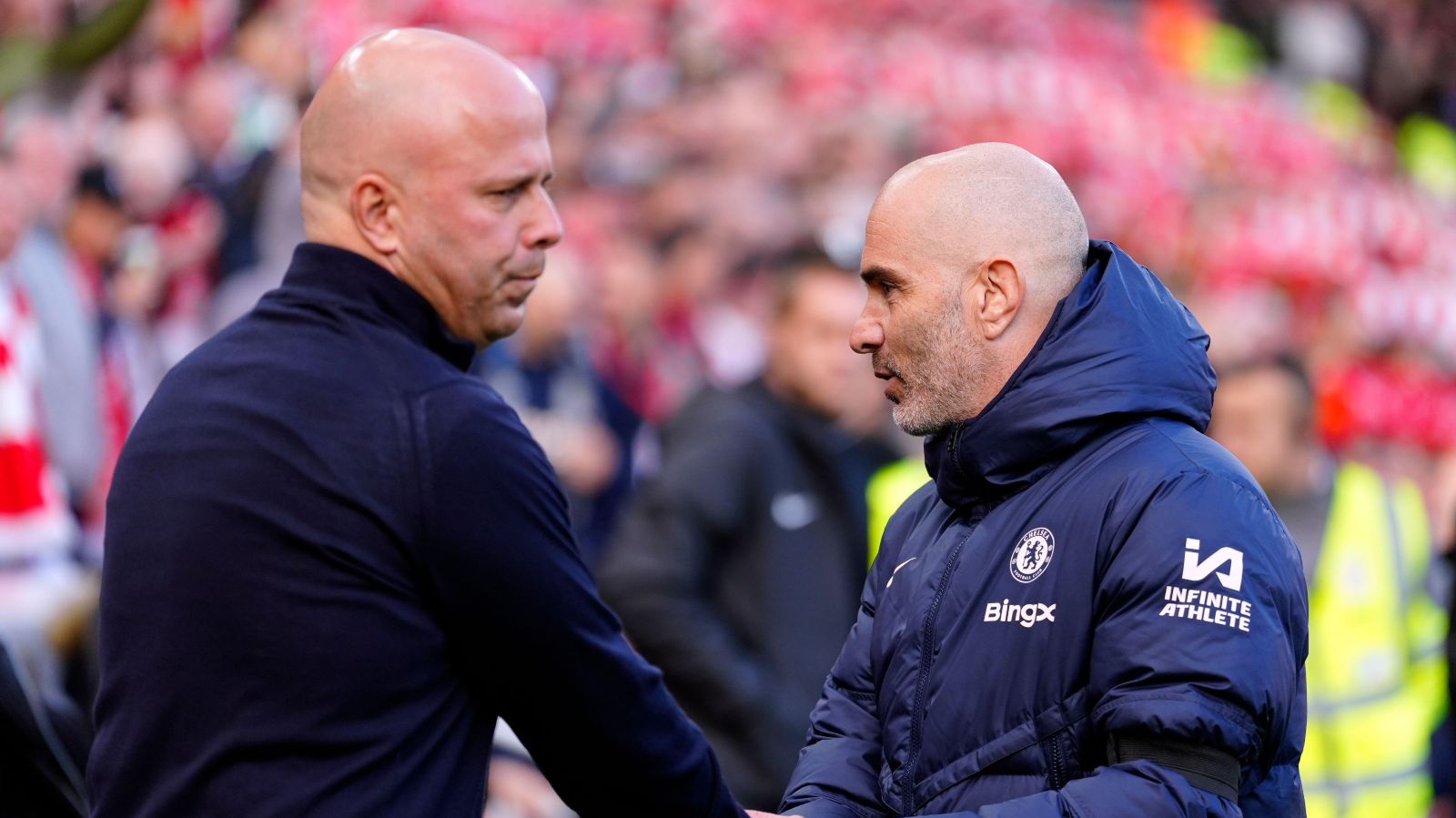
Chelsea really should have learned their lesson by now. Trusting a manager who's already got his eye elsewhere is a gamble the west London outfit keeps losing, and their wallets keep paying the price.
Even as transfer inflation continues its relentless climb, it remains unusual for Premier League clubs to splash serious cash acquiring managerial talent. Yet when it comes to compensation payouts—getting rid of them, bringing them in, or both—the sums can reach eye-watering proportions. Here's a rundown of the priciest coaching appointments in English top-flight history.
Brendan Rodgers – £6m
Liverpool's acquisition of Rodgers from Swansea in 2012 came with a £5m fee for the manager plus three backroom staff, described by the Welsh club as "suitable compensation" for such a "talented, young British manager." Seven years later, Rodgers' move to Leicester proved equally expensive for Celtic, who saw him depart with Chris Davies, Glen Driscoll, and first-team coach Kolo Toure, pushing the overall package toward £10m. Leicester themselves paid £6m to secure Rodgers as Claude Puel's replacement in February 2019. The appointment looked promising initially, with silverware arriving in the form of the FA Cup and consecutive European campaigns. Yet the tenure ultimately unravelled spectacularly, ending in Championship relegation and Rodgers' dismissal. A £10m severance loomed, though he reportedly waived a portion of it.
Thomas Frank – £6.7m
After nearly a decade of overachievement at Brentford, the Danish tactician took on Tottenham's unique challenge—a side that had actually won something. His eight months in north London were defined by an unhealthy Arsenal obsession, and Spurs ultimately spent considerably more removing him than they did acquiring him.
Ruben Amorim – £9.25m
Sporting CP paid roughly £8m to spring Amorim from his Braga contract in March 2020 after just 13 appearances, a masterstroke that yielded two Primeira Liga titles and a third championship in the offing before his departure. Manchester United, however, wasted £21.4m replacing Erik ten Hag with the Portuguese coach in November 2024, after convincing him such an opportunity wouldn't materialise again. His eighteen-month tenure became a public exercise in self-flagellation, with Amorim repeatedly detailing his own incompetence and that of his surroundings. When Jason Wilcox finally called his bluff, the manager received a £16m severance.
Arne Slot – £9.4m
Feyenoord accepted £7.7m plus £1.7m in add-ons when Slot departed for Liverpool to inherit the Jurgen Klopp legacy. The Eredivisie runners-up seemed satisfied with the arrangement, and Liverpool appeared content with their succession plan—at least initially. A difficult second season necessitated a compensation package of around £7m to smooth matters over.
Enzo Maresca – £10m (First Stint)
Leicester expressed "disappointment" when Maresca opted to abandon ship following his Championship-winning campaign. The Italian recognised his stock had peaked and Chelsea came calling, seemingly convinced they'd found a more compliant operator. The £10m fee encompassed Maresca plus six Leicester staff members, a package that appeared shrewdly constructed when Chelsea climbed to second by Christmas. Though the wheels wobbled thereafter, the Italian stabilised the ship, secured Champions League football, and lifted the Europa Conference League.
Then came December 2025, when Maresca's head turned toward Manchester City.
Andre Villas-Boas – £13.3m
After Carlo Ancelotti received one of the Premier League's harshest sackings, Chelsea embarked on an extravagantly expensive experiment to replicate lightning striking twice. The logic held merit: the club's greatest era was partly forged by a young Portuguese prodigy fresh from winning the Treble with Porto. When Villas-Boas captured the Primeira Liga, Europa League, and Portuguese Cup at 33, the comparisons to Jose Mourinho became irresistible. Roman Abramovich approved a world-record managerial compensation package—then spent roughly the same amount sacking him eight months later, partly because Villas-Boas dared suggest John Terry fly economy.
Enzo Maresca – £17m (Second Stint)
Chelsea's statement regarding Maresca's December 2025 departure was a masterclass in corporate diplomacy. The club expressed feeling "let down," suggesting his attention had wandered elsewhere despite having just arrived. A "confidential settlement" with Manchester City included compensation payments, whilst Maresca himself agreed to pay the club back. Enter Xabi Alonso as the new messiah, described as possessing "an exceptional football mind" and "the highest integrity"—a pointed contrast to the previous regime. The entire missive studiously avoided mentioning Maresca by name, a particular Chelsea touch.
Graham Potter – £21.5m
Clearlake Capital's tenure began by honouring the Abramovich tradition of managerial profligacy. Thomas Tuchel made way for Potter, whose Brighton pedigree convinced Chelsea he was the answer. Brighton, unsurprisingly, had contingency plans in place. Roberto De Zerbi was already installed as Potter's replacement when the bill landed: just over £21m for the manager and five backroom staff. Potter may have been the season's superior tactician, but that merely highlights how dismal the alternatives proved—particularly when Frank Lampard eventually took the wheel.
The combined £44.8m Chelsea have now expended on Maresca across both appointments represents a cautionary tale in managerial gambling. For a club that seemingly refuses to learn, the meter keeps running.
Compare options