Modern Football Has Become a Chore—And We're All to Blame
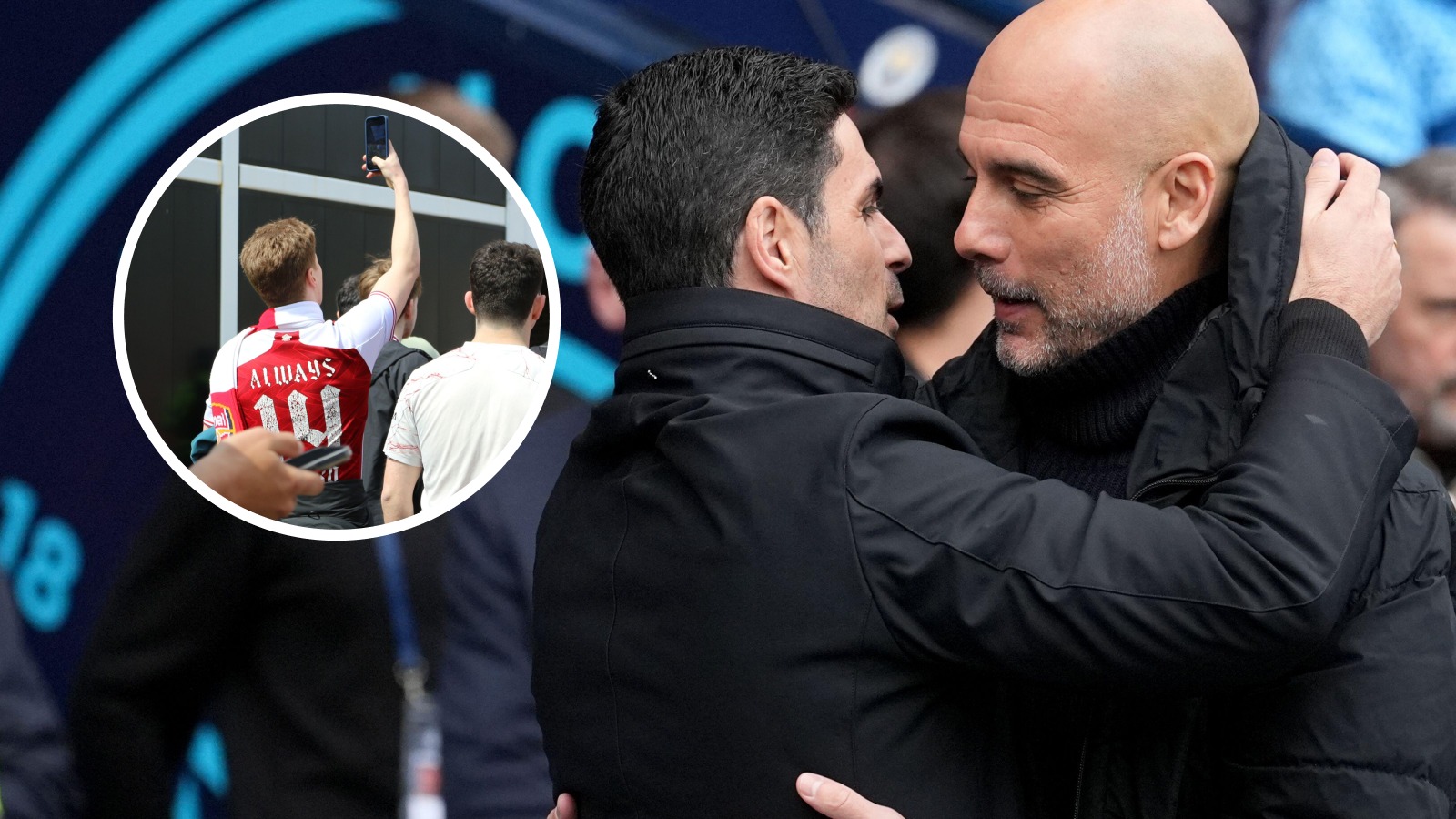
The state of football right now is pretty grim. Ruud Gullit saw it too, recoiling at what Arsenal and Chelsea served up on Sunday. He's far from alone in his assessment, and frankly, he's got a point. Yet here's the uncomfortable truth: we're witnessing precisely the sport we've collectively engineered.
The quality on display has become suffocating enough to drive viewers away entirely. Yet somehow we persist, because complaining about rubbish football beats not watching football altogether. The problem is that attending matches—particularly in the Premier League—increasingly feels like an obligation rather than a pleasure.
Set-pieces have become the villain in this narrative, and Slot would probably sympathise with Gullit's frustrations, even if his position as a top-flight manager prevents him from mounting a proper rebellion. The real issue transcends corners and free-kicks. Each incremental tactical refinement pursued at elite level breeds incrementally more tedium, depositing us where we stand now.
There's no cliff edge here, no ultimatum between transformation and collapse. Football won't fundamentally change because supporters won't demand it. The chances of that happening are slimmer than achieving Middle East peace.
Why won't Slot take a principled stand against the joyless football he privately abhors? Because the penalty for resistance outweighs the cost of compliance. Managers operate under constant existential threat—impatient ownership combined with fans armed with unprecedented channels to voice grievances means the quickest path to survival rarely coincides with the most aesthetically pleasing one. Everyone chases identical solutions for identical reasons, producing the homogenous Premier League we inhabit today.
Only someone of Guardiola's stature can survive five games without existential dread. Even he's compromised, abandoning the philosophical principles he once preached in favour of the same arms race consuming his rivals. The contrast between his stated ideals and what unfolds on modern pitches is stark, almost unrecognisable.
This mirrors society's broader collapse into binary thinking. Victory or defeat. Strength or weakness. Black or white. No grey areas, no subtlety. The obsessive microscopic pursuit of marginal gains has paradoxically produced a vastly inferior spectacle.
Arsenal shoulder much of the blame for establishing the template of soulless football now copied across the country. Yet how can we fault Mikel Arteta for embracing the numbers game? The narrative surrounding his tenure—title or termination—forces his hand. To secure legacy whilst avoiding the dole queue, which sounds more appealing: creative liberation or data-driven authoritarianism? The mathematics are unforgiving.
Managers receive disproportionate credit for their teams' fortunes, but ultimately they're constrained by their squad's capabilities and mentality. When contemporary players operate under entirely different motivational frameworks, the logical response is controlling what remains controllable. Set-pieces present irresistible opportunities no serious manager can ignore.
Arsenal supporters wouldn't complain if their title parade featured an abundance of corner-kick conversions. But should another runners-up finish materialise, the vocal minority will inevitably demand Arteta's head whilst conspiracy theories circulate among every fanbase. This rage finds its primary outlet through another football crisis: VAR.
Everyone despises it. Everyone demands its removal. Everyone simultaneously insists on absolute refereeing consistency. These positions are fundamentally incompatible. Referees have always made errors, and they'll continue doing so regardless of replay angles. Refereeing, like playing and managing, remains subjective. Officials are imperfect humans executing an impossible task under increasingly hostile conditions. The treatment they receive represents a genuine disgrace, deteriorating further down the pyramid because elite football normalises it.
This hostility permeates the entire atmosphere surrounding the game—not the intimidating variety that once characterised football culture, but something angrier, more miserable, weirdly performative. Directed at players, coaches, officials, owners, rival supporters. We've been conditioned to consume football through a sardonic filter, partly attributable to social media's influence.
Perhaps set-pieces dominate because sixty seconds of corner choreography aligns perfectly with modern attention spans. Commentary has grown increasingly theatrical because something must jolt viewers from their phones. This is football commodified within the attention economy. Much of it is genuinely mediocre.
But we've all participated in manufacturing this version of the game. The responsibility lands squarely on everyone.
Compare options