The VAR Catastrophe: How Football Lost Its Way (and Why Arsenal Keeps Getting Blamed)
Let's be honest: football isn't what it was. And if you trace the roots of virtually every grievance supporters harbour about the contemporary game, you'll find the same culprit lurking in the shadows.
The contradictions are everywhere. Fans demand consistency from officials until a decision doesn't suit them, then suddenly they want common sense instead. They crave contact sport intensity at play but recoil at physical corners. They want flawless decisions without waiting for them—an impossibility wrapped in nostalgia for a past that probably never existed anyway. They want their club to be simultaneously the biggest force in football and the noble underdog fighting against rigged systems and biased referees.
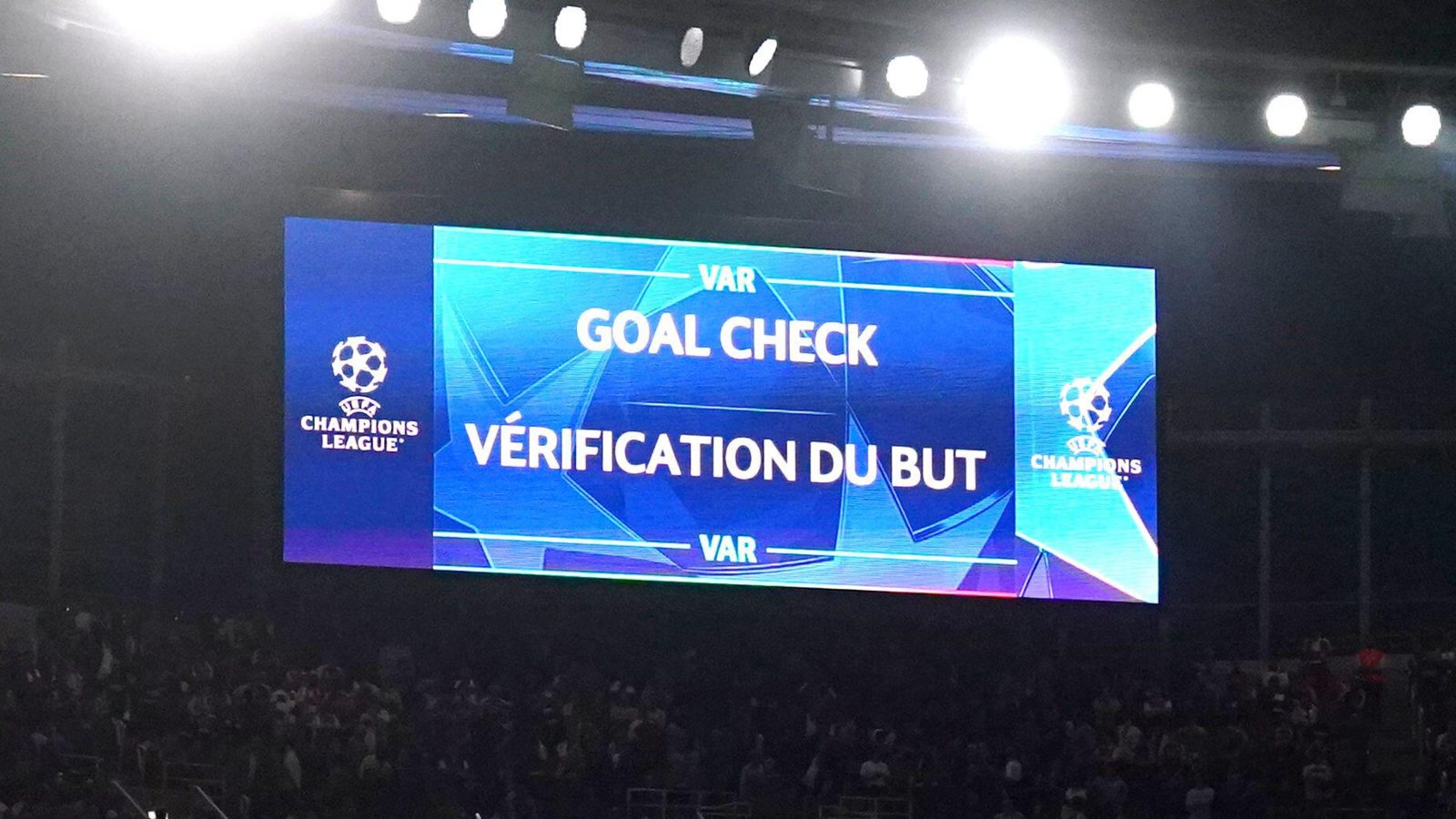
Enter VAR: the supposed solution that's become the disease.
Yes, some problems predated the technology's arrival. But VAR has amplified every single one, turning minor irritations into full-blown crises. And somehow—through provocative set-piece tactics, questionable VAR philosophy, and a fanbase quick to embrace conspiracy theories—Arsenal keeps finding itself at the epicentre of the chaos.
The Offside Conundrum
The current trajectory is backwards. Rather than scaling back VAR's involvement, football keeps expanding it: checking corners, monitoring yellow cards, tinkering with offside laws. Wenger's latest proposal aims to eliminate those pixel-peeping toenail offsides that infuriate everyone. The fix? Replace them with pixel-peeping toenail onsides that'll look even more ridiculous. The result will be a game strangled by low blocks, long balls, and set-pieces as high defensive lines become too risky. And here's the kicker: it won't even solve the original problem.
The Atmosphere Killer
There's a reason grounds feel different now. VAR's constant stoppages break the rhythm of play, which inevitably disrupts the flow of crowd involvement. Goals don't spark the same immediate celebrations they once did. Apologists insist fans still celebrate in that first explosive moment, but anyone who's been in a stadium knows better.
The Conspiracy Factory
VAR was sold on a false promise: that perfect, unanimously agreed-upon correct decisions are achievable in football. They're not. Every week brings incidents where players, supporters, managers, and pundits can't reach consensus. But VAR makes the machinery visible and the deliberation endless. When a mistake happens, it stings worse because we've watched the officials wrestle with it. The very attempt at perfection makes imperfection unbearable.
This breeds conspiracy thinking. Real-time decisions made by officials trying their best will always contain error—and fans accept that. But when VAR manufactures lengthy deliberations that still produce questionable rulings, it feels like something darker must be at work.
The Consistency Trap
Here's the game's greatest paradox: we demand consistency until we demand common sense. Either Randal Kolo Muani and Raul Jimenez both fouled their opponents, or neither did. But then Erling Haaland scores despite obviously fouling Dominik Szoboszlai, and suddenly we want the ref to use their judgment. You can't have both. Yet VAR has created a system where everyone expects both, making every decision feel like a betrayal.
Gary Neville's commentary on the Haaland goal at Liverpool epitomised this perfectly: arguing for common sense while simultaneously defending a system designed to eliminate it.
Wrestling Corners and Modern Toxicity
The governance of set-pieces has become farcical. Wrestling-based corner tactics now define matches, and VAR's involvement (or lack thereof) only amplifies the frustration. Meanwhile, the technology exacerbates the toxicity of modern fandom—every decision becomes ammunition for argument, every incident evidence of bias.
So What Now?
Is dumping VAR the answer? It might be. At minimum, it couldn't make things worse. The technology promised clarity and delivered bureaucracy. It promised to end controversy and created more of it.
Football was messier before VAR. Mistakes happened. But those mistakes were explicable, almost bearable—the natural consequence of officials doing their best in real time. Now we have mistakes born from deliberation, from committee decisions, from pixel-peeping into the infinite greys that always existed in the sport.
Perhaps the solution really is that straightforward: remove the technology and accept that football will never be perfect. Or, if you're feeling particularly vindictive, remove Arsenal too. Or both.
Either way, something's got to change.
Compare options