Arteta Splits Opinion Like Few Others: Genius or Petulant Child?
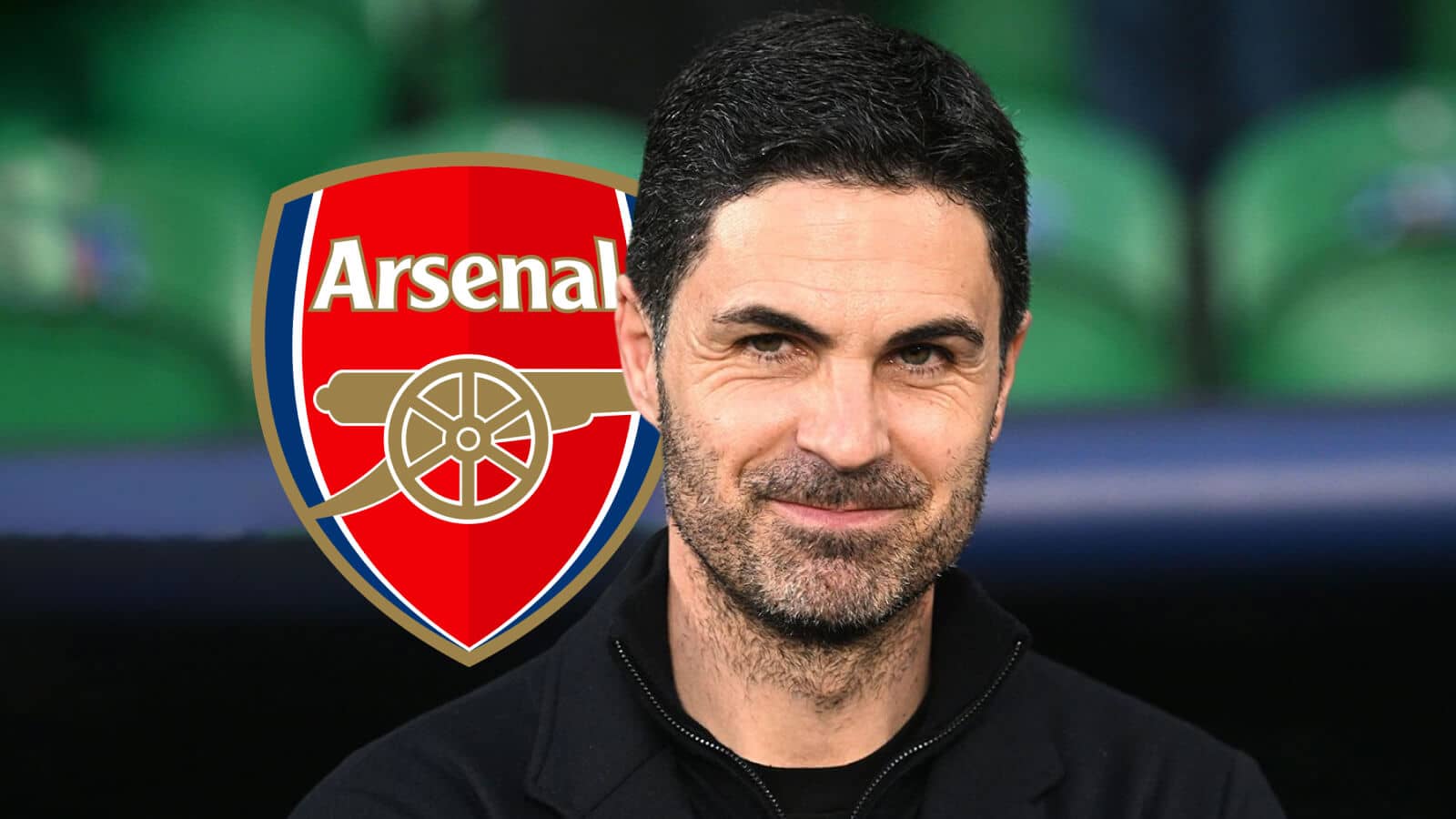
Few figures in modern football divide the fanbase quite like Mikel Arteta. Is he the most promising rookie manager the Premier League has witnessed, or a David Brent-style liability masquerading as tactical brilliance?
The Case Against
One long-suffering cockney Red, nursing a family full of Gunners, admits to harbouring affection for Arsenal during the Wenger era. Those days feel distant now. The club has transformed into something rather unpleasant—comparable to Leeds United's notorious seventies outfit—with their embrace of the "dark arts" making Stoke City's old pragmatism look like Barcelona's passing poetry.
The blame, according to this correspondent, flows directly from the top. Arteta's refusal to remain within his technical area—a constant, deliberate provocation—epitomises the problem. It's not about following the rulebook; it's about intimidation. When he does venture beyond body language, his utterances veer between the delusional and the risible, making even David Brent sound measured.
Arsenal supporters themselves appear to be tolerating rather than celebrating their manager. Should the trophy cabinet remain bare this season, the consensus suggests his tenure could be toast.
Another fan reveals the intensity of their antipathy towards the Arsenal project this season has reached unprecedented levels. For a squad that last claimed the league title when mix tapes offered genuine romantic possibility, the arrogance proves insufferable.
The Counter-Argument
Enter an Arsenal perspective to address what they see as widespread misconception. The narrative around net spend obscures a far more complicated financial picture.
Over the past five years, Manchester City have spent approximately £150 million more than Arsenal annually on wages—a cumulative advantage of roughly £750 million, dwarfing Arsenal's £275 million greater transfer expenditure. Since Arteta's arrival, City's wage advantage balloons beyond £1 billion. Their yearly wage bill sits around £450 million, double their annual transfer net spend. This translates to the equivalent of fifteen additional players earning £200,000 weekly.
City's financial dominance extends beyond raw spending. Their academy investment—exponentially greater than competitors—allows them to accumulate elite young talent whilst simultaneously generating revenue through homegrown player sales. They balance the books through methods unavailable to traditional clubs.
Consider the trajectory: Arsenal climbed from eighth place to first whilst City, already champions with an elite squad, simply added the finest available additions each summer. Arsenal rebuilt from scratch; City cherry-picked. Yet City's combined transfer and wage advantage totalled £675 million more than Arsenal's over this period.
The Semenyo and Guehi signings exemplify the point. City required multiple attempts at elite recruitment—Grealish, Savinho, Marmoush, Semenyo—spending roughly £260 million to perfect a single position. That represents nearly Arteta's entire seven-year squad investment.
The uncomfortable truth: if City operated within standard financial regulations or faced appropriate punishment for their 115 charges, Arteta becomes a three-time Premier League champion and the greatest rookie manager in Premier League history.
The Pressure Paradox
One perspective suggests Pep Guardiola has remained at City precisely because the pressure remains minimal compared to genuine elite destinations. Real Madrid, Manchester United, Liverpool, and Juventus demand relentless scrutiny. City offers world-class facilities, playing staff, and coaching infrastructure without equivalent external pressure. Haaland's winter goalscoring drought, for instance, attracted passing comment rather than the sustained interrogation he'd face at Old Trafford or Anfield.
The counterpoint? Suggesting Guardiola operates without pressure whilst managing one of football's most demanding figures and winning four consecutive league titles borders on absurdity. Winning the Premier League consecutively represents anything but a cakewalk.
The Broader Picture
These debates—whether about Arteta's temperament, City's financial practices, or the state of English football—reflect deeper tensions within the sport. Supporters remain frustrated by the apparent immunity certain clubs enjoy from financial regulations that constrain their own teams.
As one correspondent notes: if English football truly wishes to recover its competitive health, certain London institutions alongside their financial benefactors might require relegation to lower divisions to reset the playing field.
For now, Arteta remains polarising—a figure whose legacy depends entirely on trophies. Win them, and history remembers genius. Fail, and the narrative shifts to something far less flattering.
Compare options