Arsenal and Arteta Face Relentless Campaign of Vitriol From Across the Football World
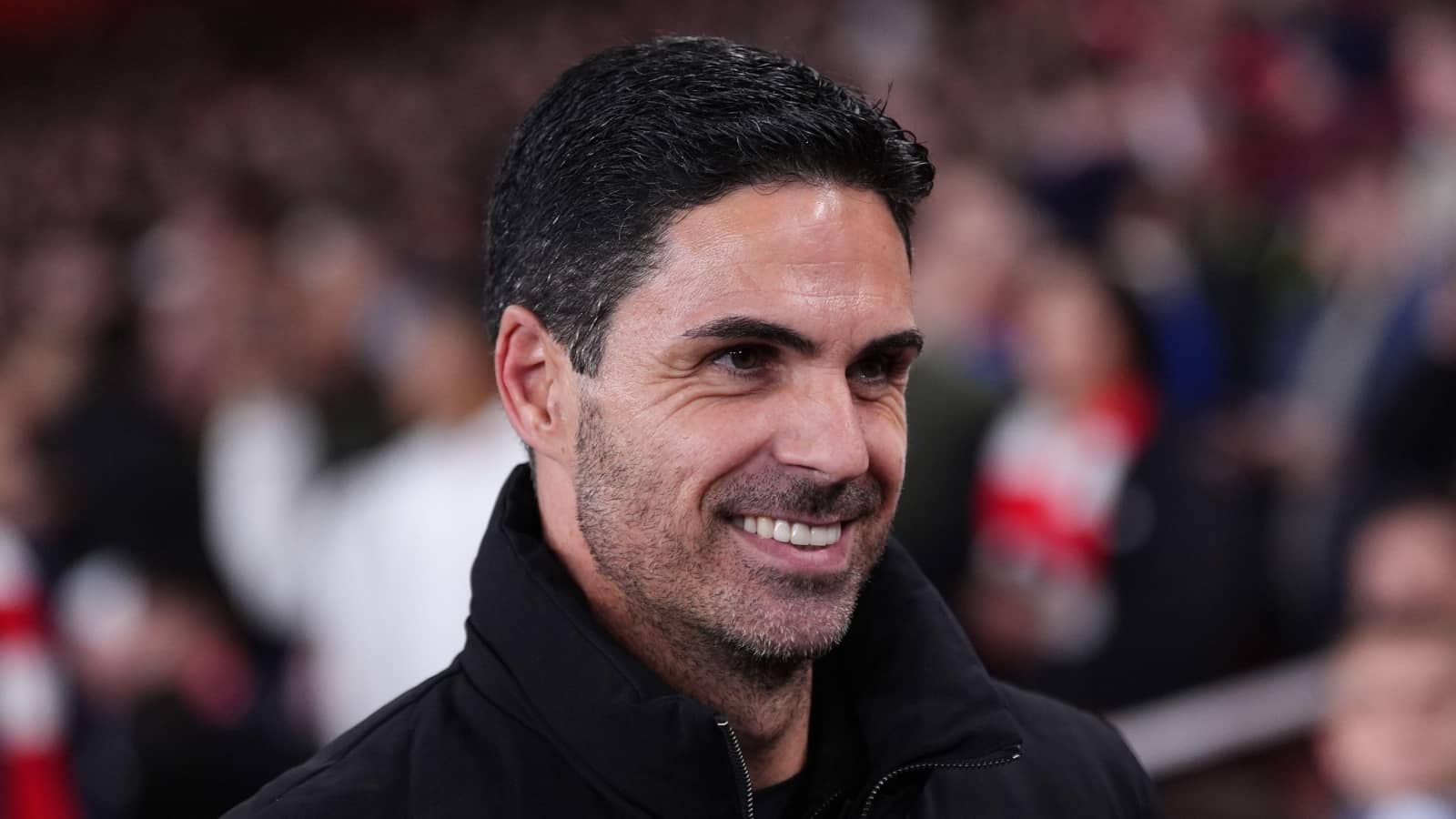
The sheer intensity of hostility aimed at Arsenal and their manager Mikel Arteta this season has reached levels that demand examination. Supporters from Liverpool, Manchester City, and beyond are stepping forward to highlight what they see as coordinated persecution rather than reasoned critique.
A Pattern of Persecution
One Liverpool fan, observing from outside the Arsenal bubble, has been struck by the visceral nature of the attacks. The accusations levelled at the Gunners—that their supporters are insufferable, their team is cheating, their football is sterile and boring—crumble under scrutiny. Liverpool fans, Real Madrid supporters, and Manchester United's fanbase have all earned reputations for arrogance and defensiveness far more pronounced than anything Arsenal have demonstrated. Yet when Arsenal show bite and resilience after years of soft-touch underachievement, they're painted as villains.
The defensive organisation that Mikel Arteta has constructed would be the envy of most Premier League managers. The efficiency of their approach—winning games through structure and intelligence—represents a valid philosophy, even if it doesn't provide the theatrical entertainment some demand.
The Real Issue: Competence as Threat
What genuinely rankles observers is the personal vendetta directed at Arteta himself. Here sits a manager who arrived without the glittering trophy cabinet some deemed essential, yet has rebuilt a once-derided institution into genuine title contenders. That transformation appears to unsettle certain quarters in ways that pure sporting rivalry cannot explain.
One commentator has noted the familiar undertones of how "competent outsiders" are treated—a tone that carries uncomfortable implications. The obsessive nature of certain media figures' criticism has crossed from analysis into something resembling personal crusade. When a writer cannot produce a piece without reminding readers of their contempt for Arteta, the line between journalism and discrimination blurs dangerously.
Arsenal's Own Torment
Even from within the Arsenal support, the psychological toll is evident. Three successive second-place finishes have created a pressure cooker of expectation. Every dropped point triggers fresh predictions of collapse. The constant refrain of "second again" from visiting supporters, combined with 22 years of near-misses and heartbreak, has created a fanbase existing in a state of anxious dread despite their position at the summit.
Yet that same fanbase finds some solace in the very tactics that others deride. The set-piece mastery, the time management, the attention to detail—these have become sources of grim satisfaction rather than shame. Cup victories over Bayern Munich, Inter Milan, and Atlético Madrid provide genuine highlights.
The Broader Picture
Across football, similar narratives of unfair treatment resurface regularly. Liverpool endured their own persecution complex during the Luis Suárez era and the VAR controversies of 2024-25. Manchester United's supporters have spent years convinced the universe conspires against them. Yet Arsenal alone seems to attract the concentrated fire.
The treatment has become so pointed that even neutral observers feel compelled to speak out. The level of vitriol directed at a manager and club simply for being successful in ways that frighten their rivals has ventured into territory that transcends legitimate sporting debate.
Until Arsenal's Champions League campaign concludes, this narrative will persist. But those watching from outside the immediate fray are increasingly asking: at what point does criticism become something far uglier?
Compare options