Arteta Demands Arsenal Reach New Heights in Champions League Final Showdown
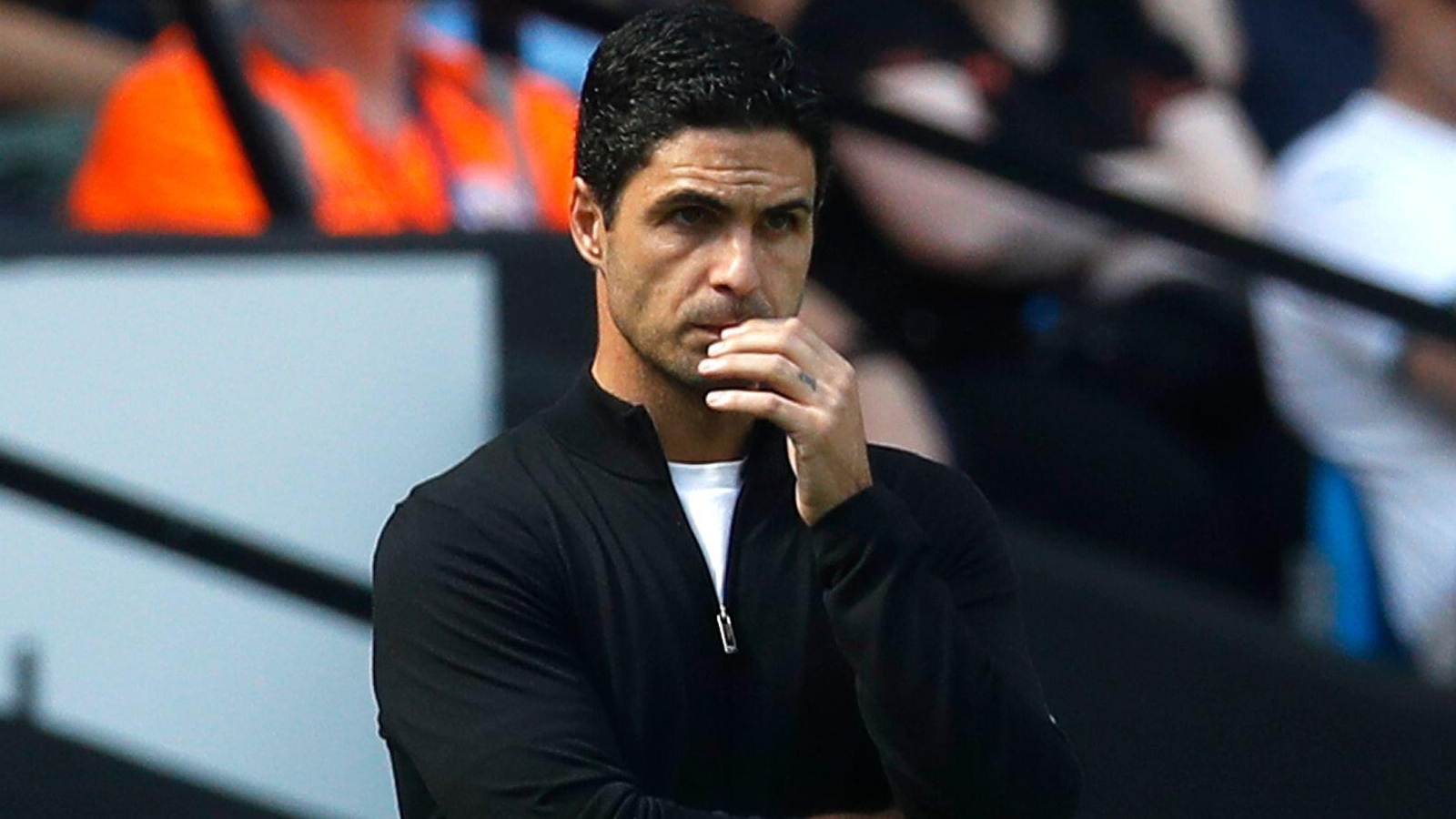
Seven years on from his appointment to salvage a fractured club, Mikel Arteta stands on the precipice of Arsenal's greatest achievement. Saturday's Champions League final against Paris St Germain represents the crowning moment of a transformation that has already delivered the Gunners their first league crown in 22 years.
After three consecutive second-place finishes, Arteta has finally guided Arsenal to the Premier League summit this season. Victory in Europe would represent the full flowering of his project and potentially the most successful campaign in the club's storied history.
"We have raised different standards now, and now we have to go to the next level," the Spanish manager declared ahead of the contest.
The trajectory from Arteta's 2019 arrival to this point has been anything but straightforward. The former Manchester City assistant could have simply transplanted Pep Guardiola's methods wholesale—plenty have attempted it, few have succeeded. Instead, he forged a distinct identity built on pragmatism rather than pure imitation.
Arsenal's formula combines territorial control with ruthless efficiency. High pressing, zonal organisation and defensive rigour form the backbone of a team that has learned to grind out results when beauty isn't on the menu. The Gunners have evolved from a side synonymous with soft underbellies into something far more formidable.
Upon his arrival, Arteta identified the fundamental problem: cultural collapse. The latter Wenger years had left the club adrift and fractured. "The picture was ugly," Arteta later reflected, describing how the ownership recognised the scale of the challenge and granted him freedom to reshape everything from the ground up.
The transformation extended well beyond tactical adjustments. The London Colney training ground became a laboratory for cultural reset. Arteta embedded messaging, symbols and mantras throughout the facility. Accountability and unity shifted from aspirations to non-negotiables. He even brought a black labrador named "Win" to the training ground, with squad members rotating responsibility for her care—a seemingly small gesture that reinforced collective ownership.
This family atmosphere has become as integral to Arsenal's identity as their football itself. Marginal gains have been systematised into competitive advantage. Nicolas Jover's appointment as set-piece specialist in 2021 proved transformative, turning corners and free-kicks into a potent attacking weapon. The Gunners have shattered the Premier League record for corner-goal conversion this season, with more than a third of their total strikes originating from set-play situations.
David Moyes, the former Everton manager, has observed the shift clearly. "You have seen Mikel over a few years, he has got dark arts… because you are desperate for your team to win," Moyes noted, recognising how Arteta's methods have evolved beyond the purely technical.
The manager himself remains focused on the collective rather than individual brilliance. "It's just a joy of a group… the togetherness, the unity, the love, the respect," he said following Arsenal's semi-final triumph over Atletico Madrid.
The path here has contained obstacles and setbacks that tested his resolve. Yet gradually, the narrative shifted from promising challengers to genuine champions, propelled by what Arteta identifies as the "energy, the positivity and the confidence" that now permeates the organisation.
PSG represent a formidable obstacle—among Europe's elite and a club with personal significance for Arteta, who played there early in his career. Yet the manager frames Saturday's encounter as an opportunity to etch fresh chapters into Arsenal's legacy.
From cultural reset to championship resurgence, Arteta has remoulded Arsenal in his vision: disciplined, mentally tough and underpinned by unshakeable belief. One final hurdle remains between the Gunners and immortality.
Compare options