Does Arteta's Touchline Anxiety Transmit to His Arsenal Players?
The eternal question of football's amateur psychologists: how much does what a manager does on the sideline actually matter?
We've all heard it. The pundit spotting "slumped shoulders" as proof of mental fragility. The commentator insisting that puffed-out chests signal confidence—though try doing that yourself when you're genuinely composed and see how natural it feels. Most of it's dressed-up guesswork masquerading as legitimate analysis. Fair enough to be skeptical.
Yet there's one thing you can't reasonably dismiss: managerial behaviour almost certainly ripples through to the players. It's basic human psychology. We respond to those around us, especially figures of authority.
Consider Sven-Göran Eriksson's measured approach—that urbane calm at pitchside, devoid of eye-bulging histrionics. It projected control, even when the eleven on the pitch were resembling headless chickens. The press, of course, crucified him for it, the neanderthals bleating about lack of emotion.
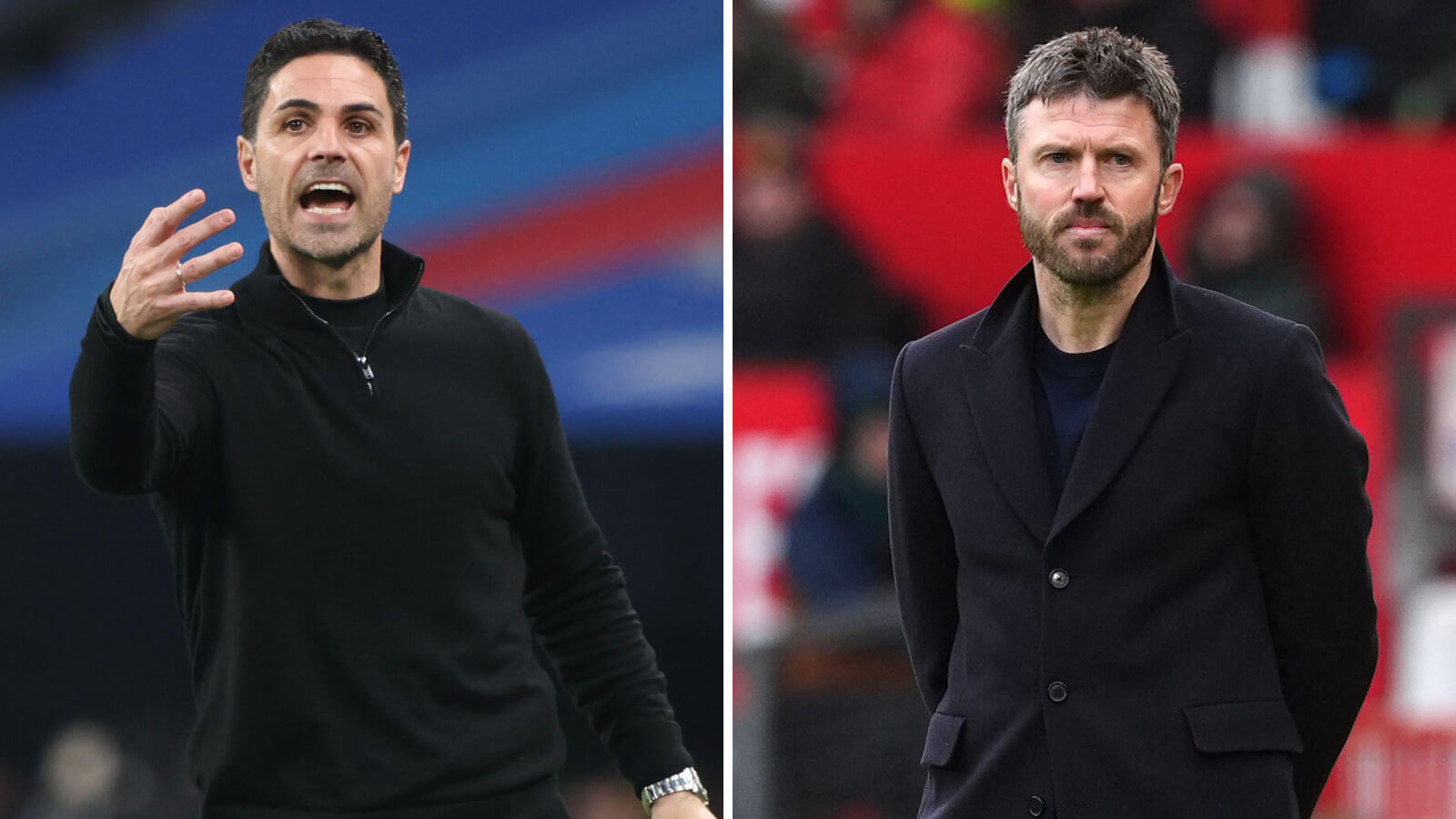
So what about the hyperactive gesticulators? Mikel Arteta regularly appears on the precipice of a nervous breakdown—hands clasped to his head, frantic arm-waving, the whole anxious repertoire. If your manager looks perpetually panicked, surely your team absorbs that tension. When the boss seems lost, can the players feel in command?
Igor Tudor, meanwhile, lurked in the technical area like an ogre contemplating humanity's stupidity, perpetually moments from detonation. That particular brand of volcanic rage probably didn't settle anyone's nerves either.
The shrewdest managers—with notable exceptions like Antonio Conte—tend to maintain emotional discipline. Michael Carrick stands with measured detachment. Ruben Amorim, by contrast, wore an expression suggesting simultaneous sickness, frustration, and despair. There's a difference in what each conveys.
David Moyes presents an interesting case: that "staring into the abyss" look, the expression of someone whose bus has sailed past the stop. Yet Everton seem galvanised by it. Pep Guardiola and Sir Alex Ferguson, meanwhile, could probably juggle on their heads and players would interpret it as tactical genius—their track records grant them that authority.
The note-taking debate rages on. Some dismiss it as anti-intellectual theatre, arguing managers should be barking orders. Others see it as thoughtful preparation. Liam Rosenior's version carries an unfortunate whiff of a student frantically scribbling before next period's presentation—it lacks weight. In the right hands, it reads as intelligent; in the wrong ones, impotent.
Derek McInnes, Hearts' manager, carries an air of natural authority—you wouldn't fancy crossing him. Rosenior? He'd order an avocado on toast and you'd feel fine about it.
Then there's the Neil Warnock model: the perpetually raging manager, hurling increasingly elaborate insults, somehow channeling that fury into repeated promotions. Something clearly resonated with those teams.
Perhaps authenticity matters most. If players believe their manager has genuine control—that he knows what he's doing—the outward display becomes secondary. Warnock evidently convinced his squads. Arteta? His face seems permanently stamped with "this is falling apart," regardless of circumstances. Unai Emery operates in a similarly wound-up state yet somehow doesn't project the same negativity.
The calm manager who occasionally explodes holds an advantage: that rare outburst signals genuine concern. The perpetually frazzled manager can't deploy that tactic—he's already used his ammunition.
Of course, there's another possibility entirely: none of it matters. Players might simply ignore the theatrical performance and get on with the job. Football being football, that feels plausible too.
Different approaches suit different personalities. Some managers vanish into the background; others become the focal point. Some players crave seeing their manager chase every ball and roar instructions. Others prefer a quieter presence, someone whose raised eyebrow communicates volumes. Some want a manager whose head's on fire.
Which works best? That's the £20 million question nobody can definitively answer.
Compare options