Arteta's Tactical Revolution: Arsenal Must Guard Against Complacency as Direct Play Trend Emerges
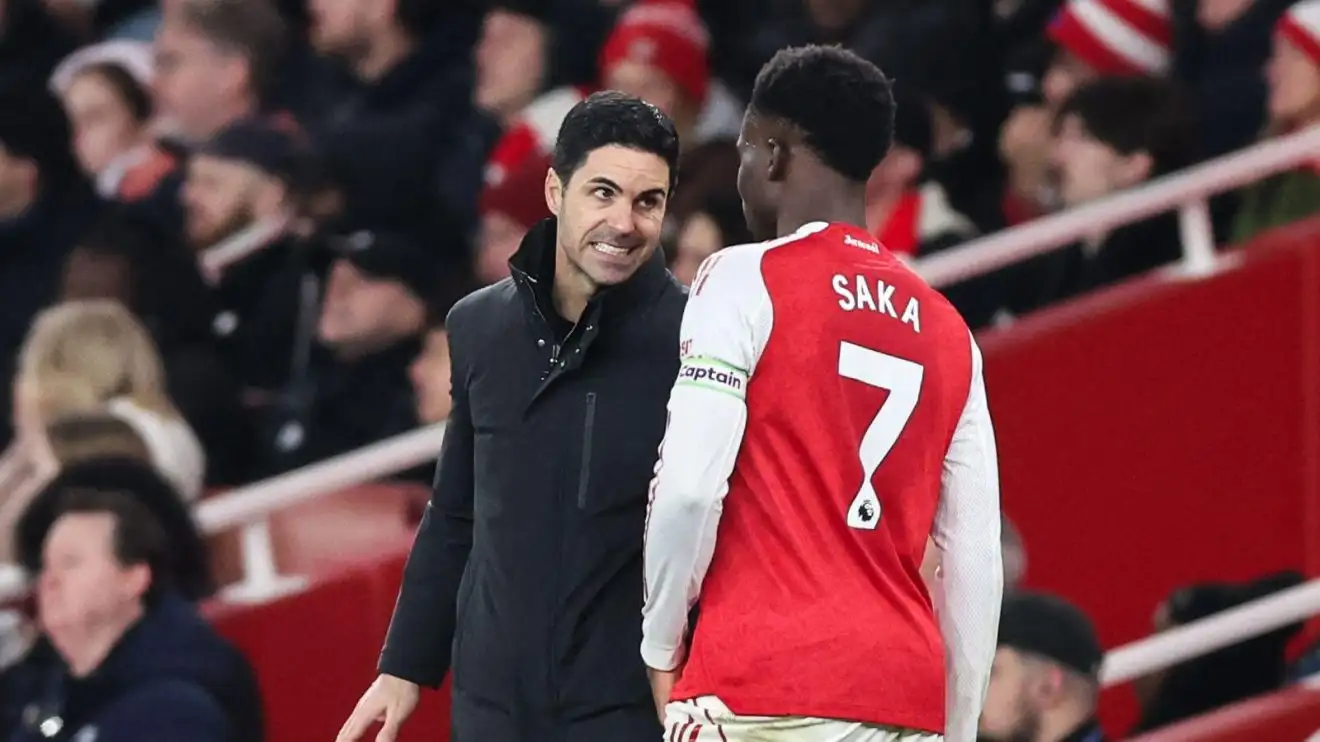
The question hanging over Arsenal's latest commanding performance is whether the Gunners have genuinely discovered something revolutionary, or merely caught the wave of a passing fashion that will inevitably recede.
Following their 3-0 success, it's worth considering the broader context of tactical evolution in English football. For over 15 years, the sport has been dominated by a particular philosophy—high-pressing, possession-based play, even filtering down to local amateur level. Yet nothing remains fashionable forever, and the smart operators aren't those who master the current trend, but those who anticipate the next one.
The shift became apparent when Manchester City captured the treble after acquiring Erling Haaland. The emphasis moved decisively towards vertical play—direct, purposeful football that prioritises efficiency over aesthetic control. City's subsequent struggles illustrate the pitfalls of over-reliance on this approach: lean too heavily on individual brilliance, and your defensive vulnerabilities become exposed to rapid transitions.
Arsenal now appear to embody this emerging style in its purest form. Gone is the careful build-up play that once defined the club's identity under Arsene Wenger. In its place: direct passing, dead-ball mastery, long throws—the very tactics that were once considered beneath the club's lofty standards. It's a complete philosophical reversal, yet the results speak for themselves.
The irony is delicious. Wenger-era Arsenal fans would have recoiled at such "footballing depravity," viewing Stoke and Bolton as philistines for daring to play long ball. Some supporters genuinely insisted they'd rather lose gracefully than win ugly. That particular principle appears to have been quietly shelved.
This cyclical pattern isn't new. Malcolm Allison was experimenting with flexible formations and positional play at Manchester City decades ago, introducing sweeper systems and wing-backs when such concepts were considered continental eccentricity. Brian Clough preached passing football with religious fervour. The lesson from football history is simple: trends emerge, dominate, then fade away.
The danger for Arteta lies in mistaking a moment for a movement. If he becomes too wedded to the current approach, believing he's unlocked some permanent solution, he'll fall into the trap that has ensnared countless managers before him. The obsession with possessing a defined "philosophy"—something the modern game increasingly demands—can blind you to the necessity of adaptation and evolution. Just observe Ruben Amorim's struggles as a cautionary tale.
Tactical flexibility is what separates the merely successful from the truly great. Players grow complacent when they repeat the same patterns endlessly. They forget how to execute the long ball, how to attack a set-piece, because they haven't faced these situations regularly. By the time opponents adjust, you should already have shifted your approach.
Liverpool's recent history provides ample warning about the perils of prolonged tactical stagnation. What works magnificently in one season can become predictable and vulnerable in the next, especially when rival managers study the blueprint and develop countermeasures.
The current direct approach, for all its effectiveness, won't sustain indefinitely at the highest level. The intensity and coordination required to execute it consistently over a full campaign will eventually wane. Arteta's real challenge isn't maintaining this style—it's recognising when to evolve beyond it.
If Arsenal had played this way 50 years ago, they'd have been dismantled repeatedly because defensive structures would have adapted. The same principle applies today. What looks revolutionary now will become routine tomorrow. The question Arteta must ask himself isn't whether he's finally cracked it, but whether he possesses the tactical intelligence to stay ahead of the curve when the inevitable shift arrives.
Compare options