The Arteta Paradox: When Winning Feels Like Losing
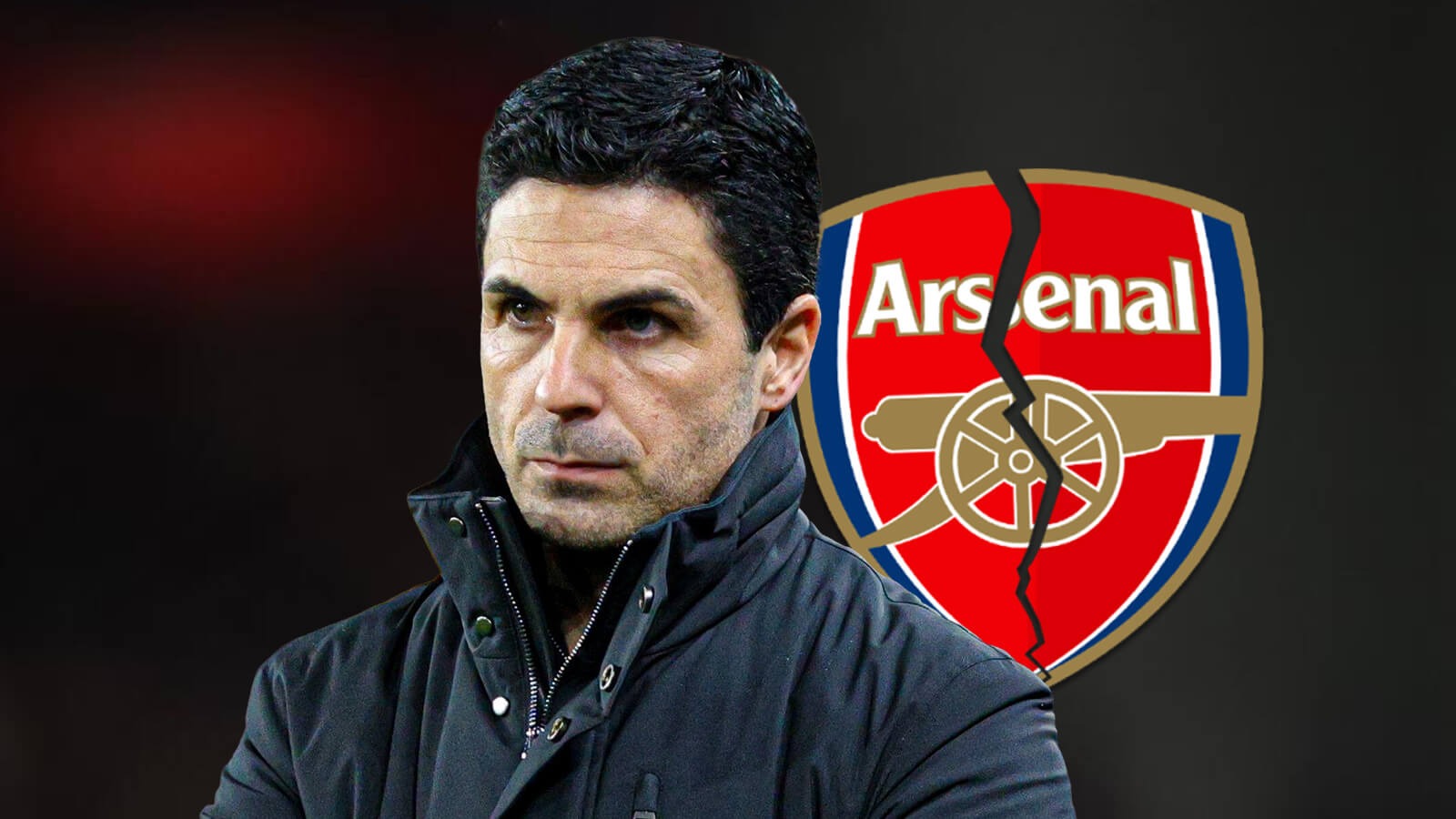
Few managers vying for a league title have endured the sheer volume of abuse directed at Mikel Arteta—and that's before you factor in the considerable portion coming from Arsenal's own supporters.
The "bottling" narrative has taken root with remarkable speed, satisfying pre-existing grievances and establishing itself as the dominant discourse. What's particularly striking is how thoroughly it's embedded itself in the wider conversation. A win, particularly against a genuinely dreadful outfit like Spurs (seemingly destined for the drop, with even Wolves outperforming them), barely registers as a positive. Victory becomes something to dismiss rather than celebrate, while any slip-up or draw triggers the predictable cycle: fury at the manager, followed by a brief defensive counter-narrative, then a flurry of doom-laden analysis pieces, before optimism briefly resurfaces ahead of the next fixture.
Rinse. Repeat.
The criticism shows no signs of abating. Each press conference appears to add fuel to the fire, particularly when Arteta ventures into the kind of philosophical territory that invites ridicule—insisting "bottling" isn't part of his vocabulary whilst simultaneously demonstrating that it absolutely is. Worth noting: English isn't his first language, a detail sometimes overlooked in the rush to mock.
Benitez irritated Chelsea fans, but the antipathy never achieved this scale. Rodgers became a punchline for his pretentious monologues, yet even he didn't inspire the raw fury that surrounds Arteta. Perhaps that's because Liverpool, for all Rodgers' flowery nonsense, at least played attractive football and reached the final hurdle, whereas Arsenal—even their own supporters will admit—rarely provide entertainment, regardless of the scoreline.
There's something uniquely unsatisfying about winning through sheer efficiency rather than overwhelming brilliance. Securing a title with cold calculation rather than flair feels hollow, which partly explains the widespread frustration. Even the satisfied contingent finds themselves defending Arteta and his team as though they're not actually league leaders—a peculiar position to occupy.
The argument that only results matter has merit, but it's incomplete. Fans want to believe they've triumphed through superiority, not by being the least flawed option available. That's why the grumbling persists.
Naturally, champions always make fewer mistakes than their rivals—that's precisely why they win. The emerging narrative about a diminished standard of competition stems from murkier territory. We crave competitive drama; criticising Arsenal for being marginally less poor than everyone else misses the point. They're the least worst, and the least worst always wins. As neutral observers, we should welcome their struggles for the entertainment value. When did we stop appreciating that?
Yet here's the trap Arteta has constructed: he loses either way. Should Arsenal claim the title, detractors will highlight the supposedly joyless nature of their football, the investment required, and the overall mediocrity of their route to glory. Should they fall short, those same critics will cite identical grievances. His tactical approach and philosophy have boxed him into a corner where success feels almost indistinguishable from failure.
That said, plenty of champions have won through being more effective than attractive opposition—it's hardly unprecedented. But Arteta possesses certain characteristics that appear to trigger something visceral in supporters. His touchline demeanour strikes many as theatrical and anxiety-inducing. His words get picked apart. There's a widespread belief that his nervousness transmits itself to the players, making them equally twitchy. He somehow manages to inspire the kind of contempt usually reserved for Celtic and Rangers managers—or politicians.
One wonders whether xenophobia plays a role. It's unlikely to be the whole story, though it's difficult to entirely dismiss it. The phenomenon appears too widespread for that alone to explain it.
Perhaps he's become a symbol of modern corporate failure—overpaid executives who stumble upwards while delivering precious little, like those water company bosses nobody trusts. Then again, football's full of managers enjoying unearned financial rewards, so that's hardly unique to him.
Something distinctly negative about Arteta has lodged itself in the national consciousness. The mailbag tells you as much. Other managers cop the occasional battering, but with Arteta it's relentless and personal, as though he's personally wronged everyone. Arsenal have been reasonably successful by most measures—they're certainly not as dire as Spurs, even if Spurs have won more silverware in the last five years—yet somehow that makes things worse. The sentiment seems to be "how dare you be consistently almost good enough without quite managing it" rather than "well done on the near-misses."
He's reached the stage where virtually nobody believes a trophy run is imminent. Instead, the prevailing mood is one of stasis: neither good enough to genuinely contend nor bad enough to justify the sack. Trapped somewhere uncomfortably between the two.
The intensity of feeling surrounding Arteta clearly signals something deeper than simple managerial dislike. Whether he wins the league or not, it's difficult to envisage him surviving much longer in the role. This reads like the closing chapter. When winning attracts the same contempt as losing, there's no path forward. The exit appears inevitable.
Compare options