Guehi's Move to Man City Lays Bare Liverpool's Transfer Incompetence Under FSG
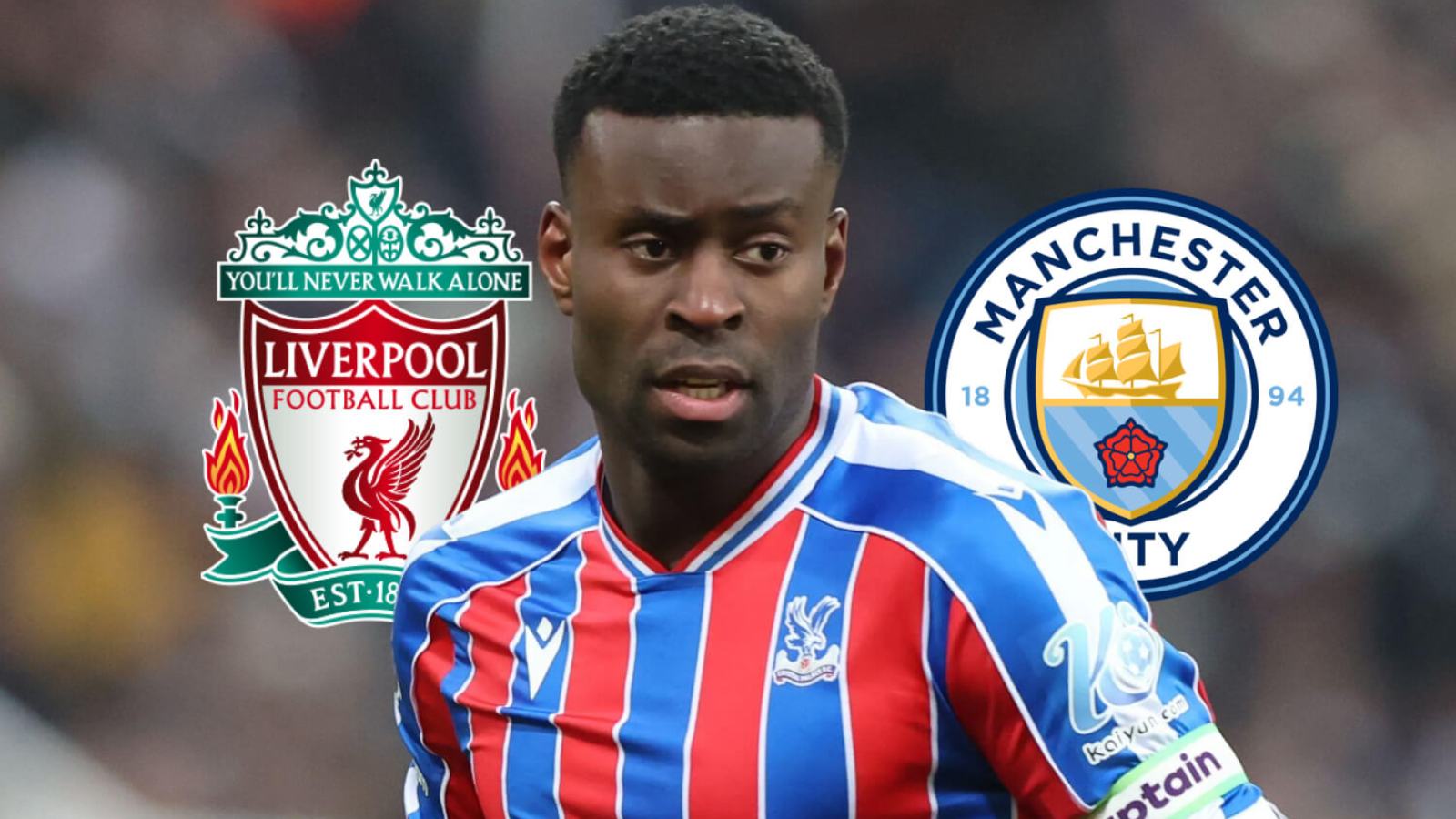
Liverpool and FSG were once regarded as transfer-market masterminds, but the Marc Guehi debacle serves as damning evidence that those days are long gone.
There was a time when FSG's football operation stood among the world's finest. They had a reputation for avoiding duds and squeezing maximum value from every pound invested. This excellence underpinned Liverpool's glorious recent chapter under Jurgen Klopp, yet the past half-year has exposed a club in steep decline both on and off the pitch.
Arne Slot bears some responsibility for Liverpool's struggles. The Dutch manager increasingly looks mismatched to the club's demands, with supporters frustrated by a team that, despite its unbeaten record, has served up a succession of drab performances devoid of the relentless intensity Klopp's sides embodied. With Xabi Alonso now available following his Real Madrid exit, a parting of ways before next season appears increasingly likely. Yet Slot is only part of the problem—FSG have left him exposed.
The return of Michael Edwards as football CEO and Richard Hughes' appointment as sporting director initially drew optimism. In hindsight, neither looks remotely convincing. FSG's chaotic stewardship of last summer's transfer window tells the story: Liverpool splashed over £400m on new players, yet somehow started the 2025-26 season weaker than before. Only Florian Wirtz and Hugo Ekitike emerged as genuine coups from that spending spree.
This incompetence has made a second major squad rebuild inevitable come summer. Centre-back recruitment must become the priority, yet Liverpool face a crisis at the back. Virgil van Dijk's alarming decline in form and commitment has worsened matters considerably. With Ibrahima Konate and Joe Gomez approaching the end of their contracts, the club needed to act decisively. Instead, they allowed their top target, Guehi, to slip away—a failure of staggering proportions.
Guehi wanted the move. He was the finest centre-back option available. His contract situation meant he could be acquired at a bargain price. Attacking reinforcements mattered, sure, but the defensive issues demanded equal urgency. Yet Liverpool dithered, wasting precious weeks.
While the Reds sat idle in January, Manchester City moved with ruthless efficiency. Injuries to Josko Gvardiol and Ruben Dias had left City desperately short at the back. They swooped for Guehi—and for Antoine Semenyo—striking a deal with Palace valued at approximately £30m plus add-ons, with Guehi pocketing a reported £300,000 weekly.
The financial disparity is instructive. According to The Times' Paul Joyce, Liverpool had banked on Guehi recognising their efforts to recruit him during the previous summer, hoping he'd wait after Palace chairman Steve Parish terminated the deadline-day deal. But that gamble backfired spectacularly.
Joyce revealed the uncomfortable truth: Liverpool are simply not as appealing a proposition now as they were then. City's wage offer of £300,000 a week, combined with an initial £20m fee, represented a package Liverpool refused to match. That unwillingness to compete financially speaks volumes about the club's current standing.
The "hope" Liverpool placed in Guehi recognising their efforts reeks of naivety and wishful thinking. In FSG's pomp, such a cock-up would have been unthinkable. The club's bumbling over Guehi, combined with last summer's scatter-gun spending approach, has exposed an operation that's become distinctly amateurish.
Liverpool and FSG have gifted themselves a mountainous task ahead of next season. They must do better.
Compare options