Manchester United Reach for the Stars Under Carrick as Amorim's Gamble Pays Off
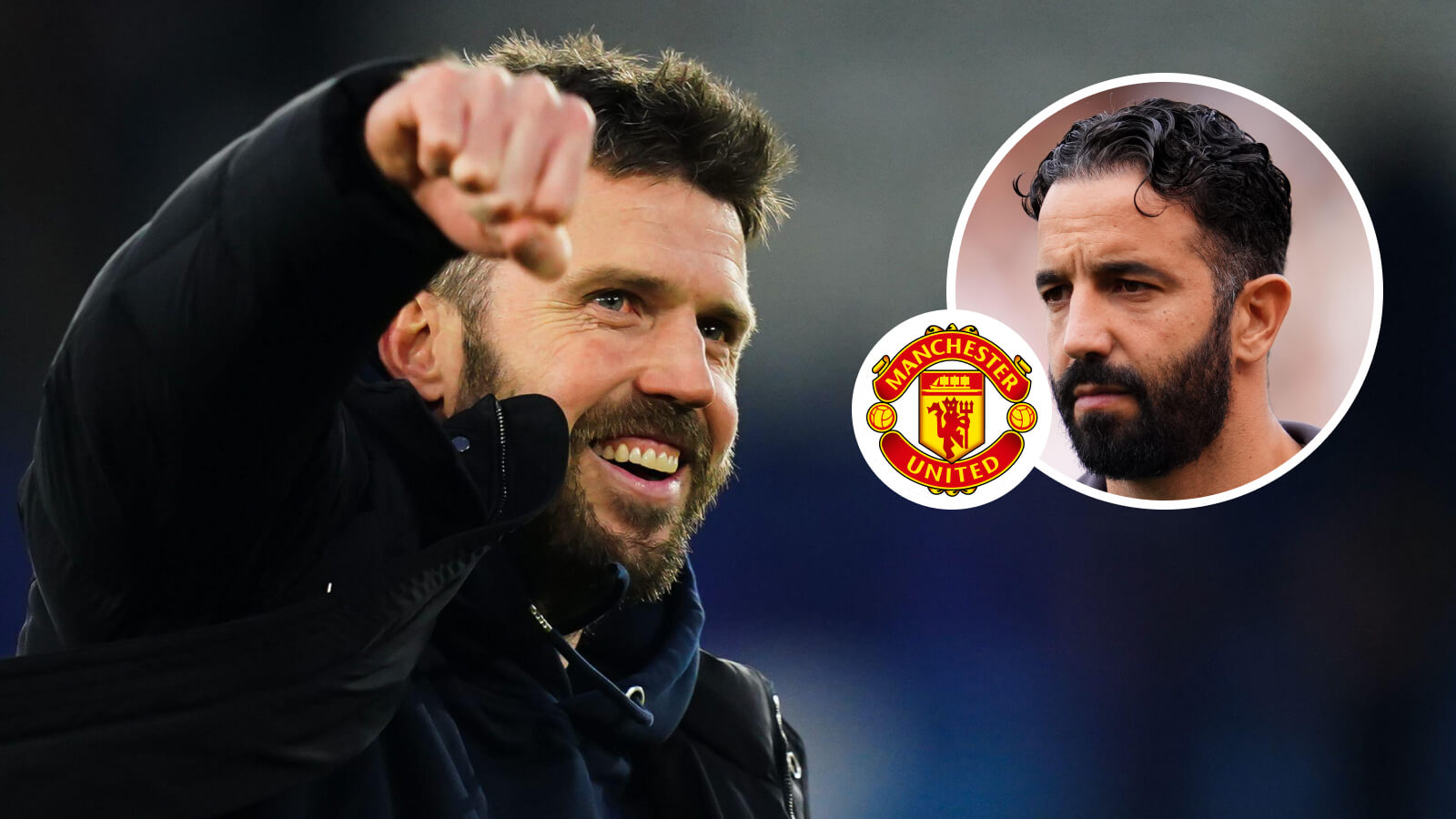
When INEOS set their sights on a top-six finish as an acceptable target for the season, they probably didn't imagine the winding path that would lead Manchester United there. Yet here we are—a necessary waypoint on the road to recovery rather than the final destination.
The scale of this turnaround places United in rare company. Only Everton and Leicester have engineered more dramatic season-to-season improvements in Premier League history. Everton catapulted from 17th to 4th between 2003 and 2005, while Leicester's 2015 14th-place finish somehow became the springboard for an impossible title triumph. Both, however, tumbled back into the bottom half come season three. Ruben Amorim was tasked with something altogether different: weaponising United's considerable advantages to construct something genuinely sustainable.
The Portuguese manager was actually sitting comfortably in sixth when he essentially dared Jason Wilcox to pull the trigger. Once his departure became inevitable, United handled the transition with admirable pragmatism rather than panic.
Michael Carrick emerged as the obvious interim choice, and frankly, none of the genuine permanent alternatives present a stronger proposition without significant caveats. For the first time in what feels like an age, everyone—players, coaching staff, supporters, boardroom—appeared genuinely aligned. That counts for something.
The summer recruitment proved refreshingly sensible too. United avoided the trap of signing players tailored to a doomed manager's whims, instead building a squad with genuine flexibility. Should Carrick's two-year deal focus on on-pitch stability whilst the club sorts itself out structurally, there's potential here—assuming the hierarchy shows ruthlessness when required.
The parallels with Ole Gunnar Solskjaer are unavoidable. Yet Ole did steer them to second place and a Europa League final before hitting his ceiling. If Carrick can lay similar groundwork without United panic-buying another Cristiano Ronaldo and without botching the managerial succession this time around, it might represent the smartest path forward available.
There's delicious irony in how things unfolded. Amorim spent last season questioning whether winning a trophy and sneaking into the Champions League via the Europa League would truly have benefited United. He may have had a point. Losing that final and crashing out of both domestic cups early actually gifted Carrick something invaluable: the freedom to concentrate entirely on Premier League football.
"Playing Premier League and Champions League is the moon for us," Amorim had declared, a target that seemed impossibly distant for a squad in freefall. Twelve months on, his successor has guided a far more functional Manchester United back among the elite. The moon, it turns out, was closer than anyone thought.
Compare options