The Art of the Phantom Sale: How Manchester City Have Turned Never-Played Players Into Cash
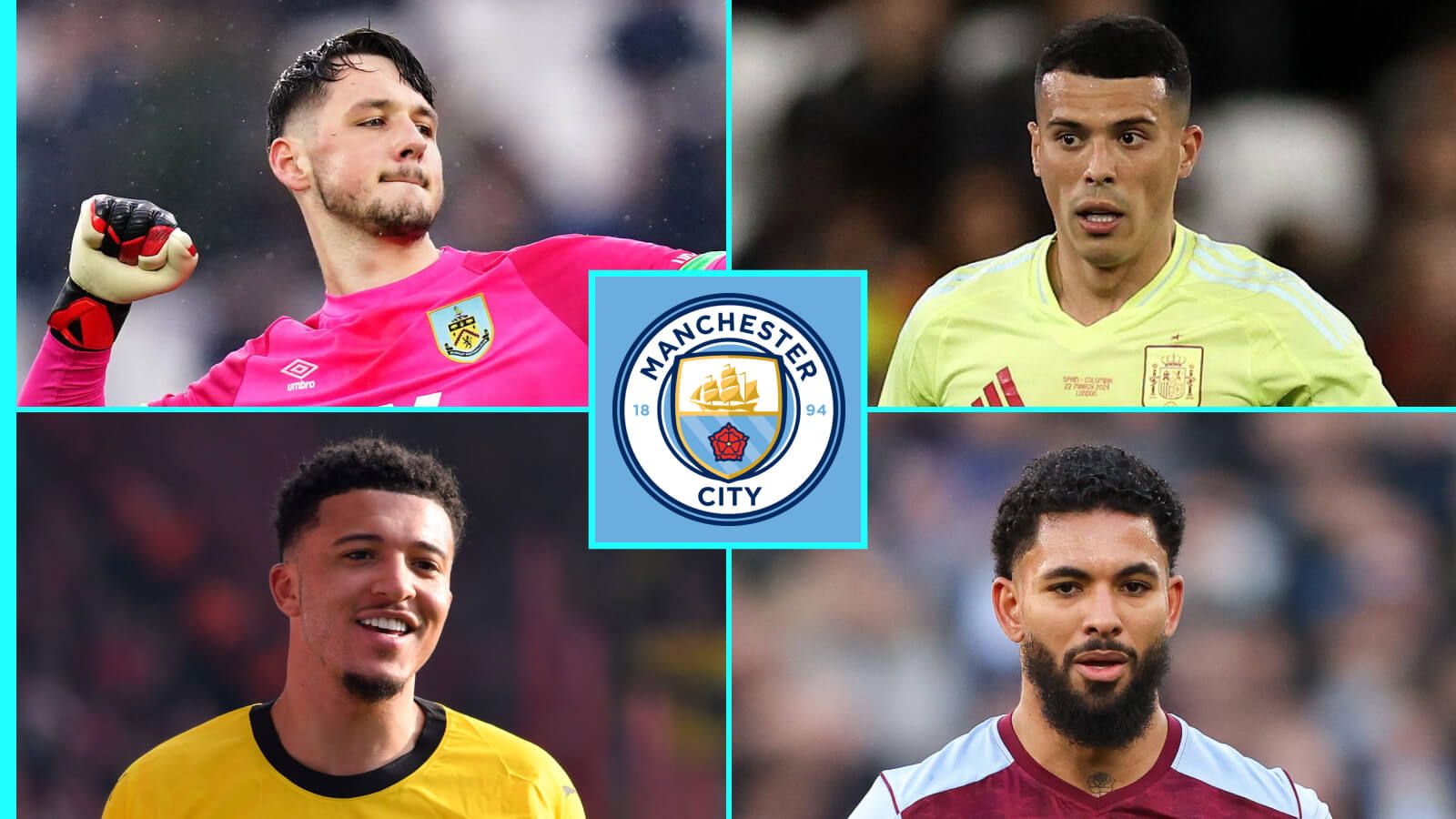
Since Pep Guardiola's arrival in summer 2016, Manchester City have perfected an unlikely revenue stream: flogging players who've never kicked a ball for them in anger. The figures are staggering. We're talking £300m in the bank from flotsam and jetsam that never saw the inside of the Etihad's first-team dressing room.
This financial wizardry goes a long way toward explaining why City occupy just 7th place in the five-year Premier League net spend table. While rivals splash the cash visibly, City have quietly monetised their academy like few clubs ever could.
The roll call of the departed reads like a greatest hits of the unloved and underutilised.
Callum Doyle's departure to Wrexham for £5m tells the story perfectly. The defender, who turns 22 in October, had endured four successive loan spells without so much as warming the bench at the Etihad. "I've been wanting a permanent move for sometime," he said, which is code for: Pep doesn't know who I am. City pocketed £5m upfront with a possible £2.5m more to follow, plus 25 per cent of any future sale – or they can activate a buy-back clause if it all goes pear-shaped.
Yan Couto represents another masterclass in asset management. The Brazilian full-back completed his fourth loan spell – three at Girona, one at Dortmund – before City engineered his permanent departure to the Champions League runners-up. An obligation to buy was triggered within weeks. Genius, really. Couto never made a competitive City appearance, yet the club extracted maximum value by keeping him in their ecosystem until his stock peaked.
Then there's James Trafford, the England U21 goalkeeper who cost around £19m when City signed him back, before they'd already sold him for £15m to Burnley. The entire succession plan for Ederson went up in smoke, but at least the books balanced out at roughly £27m total.
Pedro Porro's saga is almost comical. The Sporting left-back signed for £11m but never trained properly with Guardiola's squad. "No, I never spoke to Pep Guardiola. I don't think he even knows they hired me," Porro remarked in summer 2021. City then recouped £7.6m when Sporting sold him to Spurs, plus a sizeable sell-on clause netted them another £9m. A player Guardiola apparently never met generated nearly £17m in profit.
The academy conveyor belt churns relentlessly. Jeremie Frimpong spent his formative years at City between ages nine and 18, yet his actual career took flight elsewhere – first Celtic, then Bayer Leverkusen. That second move triggered £3m in sell-on clauses for City's coffers.
Douglas Luiz's journey epitomises the model. Sold to Aston Villa for £12.5m in summer 2019 with a £25m buy-back clause attached, City never bothered activating it. Instead, they pocketed £8.5m when Luiz subsequently moved to Juventus. Why spend £25m recalling him when the sell-on clause does the heavy lifting?
Some transfers blur the line between shrewd and slightly absurd. Ivan Ilic's £6.8m sale to Hellas Verona helped finance the signings of Jack Grealish and Harry Kane. Uriel Antuna arrived from Santos Laguna, spent time at Groningen and LA Galaxy, then departed to Guadalajara – all within three years and without ever representing City's senior side.
The sell-on clauses are ubiquitous. Farid Alfa-Ruprecht moved to Bayer Leverkusen for £5m with a staggering 50 per cent sell-on attached. Adedire Mebude, the academy's Player of the Year for 2021-22, went to Westerlo with a 30 per cent sell-on and a buy-back option. These clauses are written into City's DNA.
Juan Larios reached the dizzying heights of Papa John's Trophy appearances before Southampton handed over £6m. Sam Edozie made the starting line-up for the 2021 Community Shield – technically a glorified friendly – and that was enough for Southampton to pay £10m. Gavin Bazunu, meanwhile, cost £12m despite never playing for City. "All of them are fantastic players," Guardiola said of Southampton's purchases in summer 2022. The club duly obliged by going down.
The loan-and-sell pipeline operates with Swiss watchmaker precision. Ko Itakura arrived from Kawasaki Frontale in 2019, was immediately loaned to Groningen, then Schalke, before Borussia Mönchengladbach snapped him up permanently for £4.2m. Diego Rosa went straight from Brazil to sister club Lommel, then returned to another sister club in Bahia.
Marlos Moreno, once tipped as a phenomenal Colombian prospect, endured seven loan spells across five countries. Txiki Begiristain had predicted "a fantastic future in the game and with City" back in 2016. Instead, Troyes got him for £975,000 after the development experiment spectacularly misfired.
Some departures carry a whiff of genuine frustration. Jadon Sancho's exit to Borussia Dortmund for £10m came after a "fairly ugly transfer saga," with Guardiola publicly airing his grievances. The teenager got the move that ignited his career – though he'd eventually return to Manchester anyway.
Charlie McNeill's journey proved particularly circular. He left Manchester United's academy aged 11 in 2014 to join City, only to return to Old Trafford six years later because the first-team pathway looked clearer. United paid £750,000 for the privilege.
The twins Jack and Tyler Fletcher crossed the Manchester divide in summer 2023, switching from United's academy to City's, before City cashed in for £1.25m combined. Both play in the same position as their father Darren, the former Old Trafford midfielder.
Beyond those who never played at all, City have also profited handsomely from minimal appearances. Taylor Harwood-Bellis earned £20m after just eight games. Lukas Nmecha departed for £11m having made three appearances. Romeo Lavia, Shea Charles and Rony Lopes – with five, one and two games respectively – generated £10.5m, £10.5m and £9m.
It's a system that rewards patience, planning and an almost ruthless pragmatism. While other clubs develop players or struggle to shift academy products, City have turned the art of the phantom sale into something approaching perfection. The result? A trophy-laden decade financed partly by players Guardiola may never have actually met.
Compare options