Manchester United's Amorim Sacking: Another Chapter in Boardroom Chaos
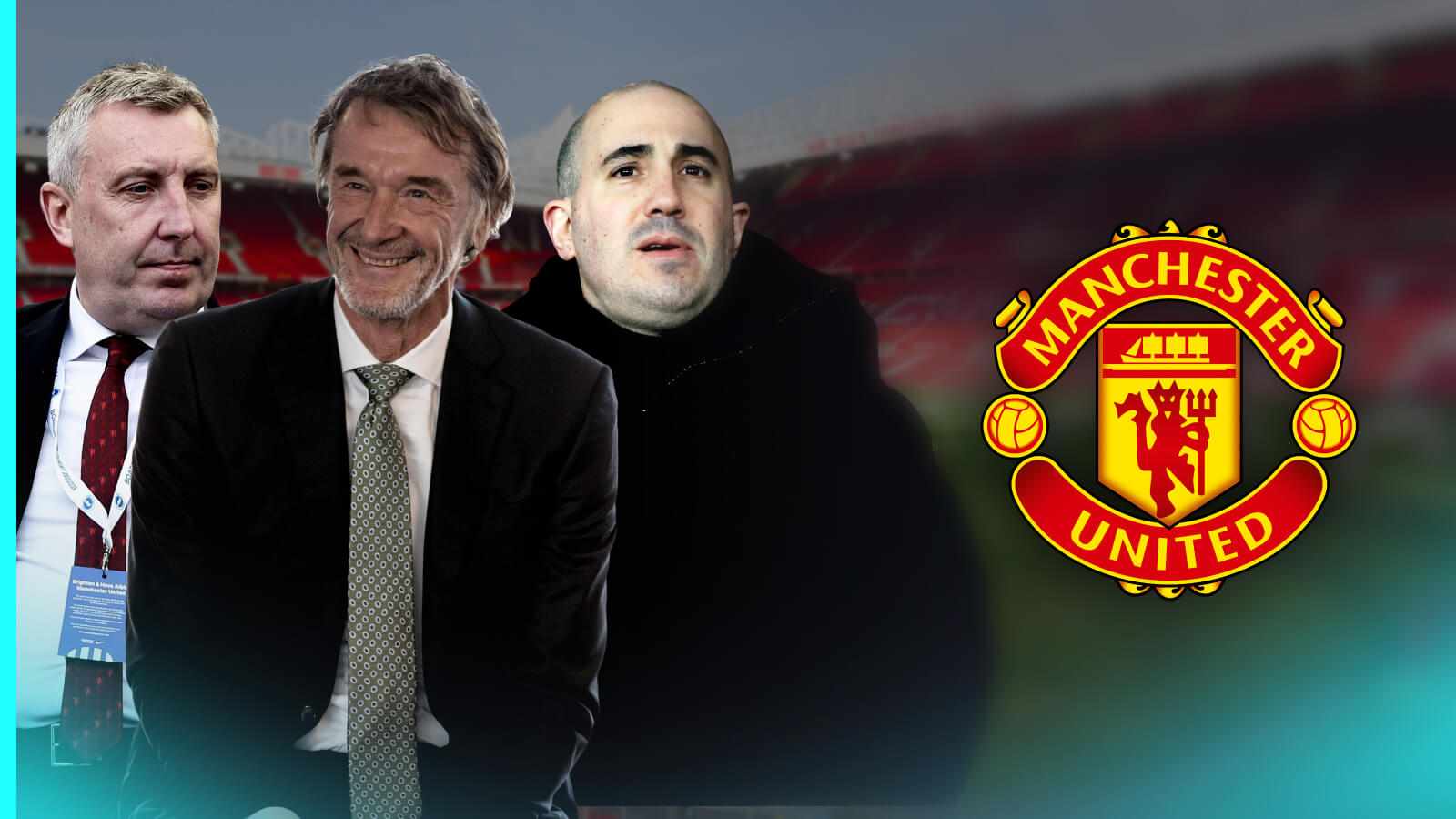
The sacking of Ruben Amorim has divided Manchester United's fanbase, though there's a notable undercurrent of sympathy directed not at the manager himself, but rather at the board's handling of the entire affair.
The Timing Question
United appointed Amorim knowing full well it would be a long-term project requiring patience. After twelve months of toil through poor football and humiliating defeats, improvement began to materialise. The squad started clawing back some respectability. Then the board pulled the trigger, citing a "breakdown in relations" that reportedly centred on transfer disagreements—specifically, the lack of January reinforcements.
The arithmetic tells its own story. United sit on 31 points from 20 matches, roughly on course for 5th-7th place and only one win behind the most optimistic preseason predictions. No one genuinely expected a top-four finish this season given the squad's limitations. Yet now the club faces transition to a caretaker manager, potentially another mid-season appointment, whilst continuing to pay Amorim's full wages to sit at home.
The Strategic Misstep
The decision reeks of reactionary short-termism—precisely the kind of blinkered thinking the new INEOS leadership were supposed to have moved beyond. Yes, a case existed for sacking Amorim based purely on results, but the manner and context make this approach look fundamentally flawed.
For the board to vindicate this decision, results must improve dramatically across the second half of the campaign. That realistically means securing fourth place from a position of 5th-7th. Darren Fletcher will inherit the same thirteen fit first-team players Amorim had available against Leeds, two of whom are goalkeepers.
The Chelsea Parallel
The irony is impossible to miss. Days before Amorim's departure, observers noted Chelsea's managerial chaos after sacking Enzo Maresca, who'd won Manager of the Month in December. Now United have followed suit by removing their own December Manager of the Month award winner. Both clubs appear to operate under the assumption that traditional business practices translate seamlessly to football—a theory both have comprehensively disproved.
Structural Problems Run Deep
The fundamental issue appears structural rather than individual. Reports suggest Jason Wilcox, the Director of Football, pressured Amorim to alter his formation mid-match. If accurate, this represents precisely the kind of boardroom interference that undermines managerial authority. The board appointed Amorim knowing his preferred system was 3-4-3, yet seemingly expected him to abandon it under pressure.
INEOS's arrival promised a professional sports management structure with genuine operational expertise. The reality suggests something closer to improvisation. Investment in training grounds and stadium infrastructure is commendable, but football operations require a different philosophy—one where the appointed football decision-maker retains genuine autonomy rather than dancing to boardroom demands.
The Broader Pattern
This echoes the Ten Hag saga. The board renewed his contract in summer 2024 before backpedalling at speed. Now they've signalled to every prospective manager that boardroom figures retain ultimate footballing authority and tactical autonomy remains conditional on results meeting executive expectations.
Compare this to Arsenal's approach under Mikel Arteta. The club communicated a multi-phase plan, stuck with it through difficult periods, and empowered the manager to implement systematic change. Gradual recruitment focused on team-building rather than galáctico signings. Slow progress, but genuine progress.
What Comes Next
The succession planning requires careful thought. An interim appointment of someone like Darren Fletcher or Ole Gunnar Solskjaer until season's end, followed by a permanent appointment of someone like Oliver Glasner or Unai Emery, might represent sensible continuity. The absolute imperative is avoiding the appointment of Xavi.
Most critically, the new leadership must establish clear operational boundaries. The football staff implement strategy; the boardroom doesn't meddle in formations or tactical decisions. Without that distinction, United will continue cycling through managers whilst the underlying dysfunction persists.
Amorim leaves having become frustrated with a club that promised long-term patience then delivered short-term panic. Whether his tenure could have succeeded under different circumstances remains unknowable. What's certain is that United's handling of his departure mirrors the very corporate chaos that has plagued the club for years—another clusterf*** from the top down.
Compare options