Carrick Must Prove His Worth as United Edge Past Everton
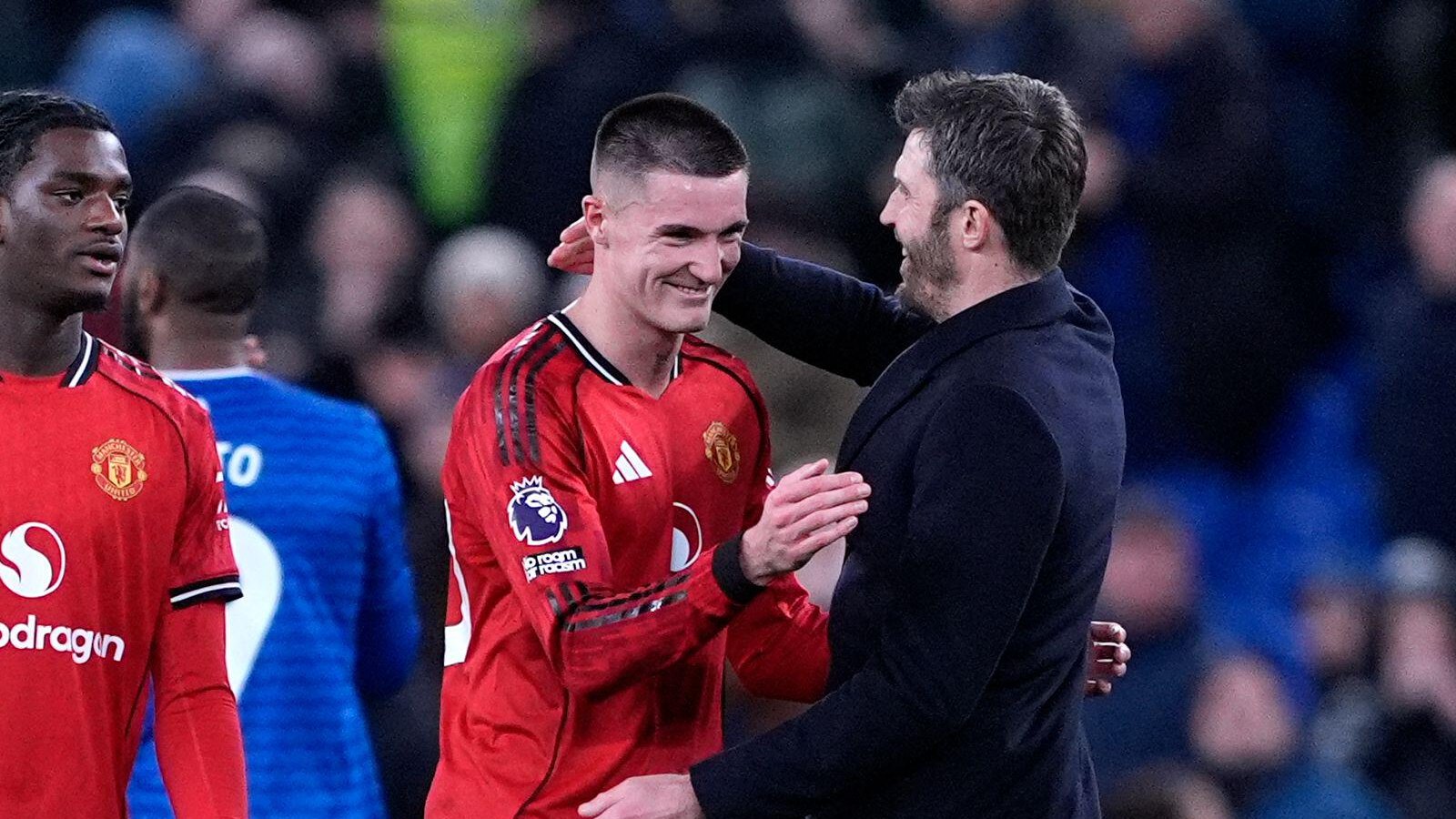
Carrick's Challenge Looms Large
Michael Carrick finds himself at a crossroads. After United's hard-fought win at Everton, the interim boss is facing an uncomfortable truth: he must prove this wasn't just a one-off performance, but the beginning of something sustainable.
The victory itself carried the hallmarks of a classic Premier League grind. Everton sat deep, United circled without cutting through, and the goal, when it arrived, felt more like relief than inevitability. One supporter captured it perfectly: the Toffees seemed more likely to trouble the scoreline from their corner kicks than United did from open play.
The performance raised an uncomfortable question about Amorim's spell in charge. With the identical squad now delivering results—three wins from fixtures that looked treacherous on paper—the contrast is stark. Victories over Spurs, Everton away, and West Ham at the London Stadium represent the sort of ground United couldn't gain under the Portuguese manager. Yet Carrick, hardly a managerial heavyweight given his Middlesbrough struggles, has made this group look competent.
But therein lies Carrick's trap. Looking competent isn't enough. One-goal victories are a house built on sand, particularly when the preparation time was generous and the performance lacked spark. The ball retention in the final third was sloppy, half-chances weren't converted, and rhythm felt absent despite the extra recovery period.
The Bench Selection Question
One tactical decision already drawing scrutiny: keeping a key attacker on the bench after important recent contributions. The argument for greater attacking intent seems obvious, yet Carrick held firm. If he's to convince the board—and more importantly, the supporters—that he deserves the permanent role, he'll need to show he can unlock defences consistently rather than hoping for moments of fortune.
Goalkeeper Lammens deserves credit for the clean sheet. His composure under pressure, particularly dealing with Everton's relentless corner bombardment, was exemplary. The defensive pairing of Maguire and Yoro also stood firm when tested.
The Wider Refereeing Problem
The corner chaos highlighted a broader Premier League issue. Opposing players were practically wrestling for position at set pieces—contact that would earn free kicks anywhere else on the pitch goes unpunished. Keepers deserve better protection, and consistency in officiating remains a summer priority.
Spurs' Survival Hopes Remain
Away from Old Trafford, Tottenham's plight continues to dominate discussion. One supporter remains optimistic about their chances, citing the imminent return of key players. Richarlison is back, Dominic Solanke is recovering from illness, and a clutch of defenders—Porro, Danso, Bentancur, Udogie, and Kudus—are expected within four to six weeks. Romero's suspension will eventually lift as well.
Interim boss Tudor, while hardly battle-tested after his Arsenal defeat, represents exactly the no-nonsense approach the squad needs. His temporary status poses a challenge to earning trust, but a kick up the backside might be precisely what's required.
The remaining fixture list offers Spurs genuine opportunity. Nine points from their run-in is realistic, particularly against Forest and Wolves. Forest themselves face a punishing schedule including City, United, Villa, and Newcastle—suggesting the race for survival could yet swing dramatically.
Fan support will be crucial. Backing the team rather than booing the board could provide the psychological lift needed to turn results around.
The Diving Question
Meanwhile, the ongoing frustration with inconsistent diving enforcement refuses to disappear. The FA's retrospective diving panel, launched with great fanfare in 2017, quietly vanished after banning Oumar Niasse and Manuel Lanzini. The uncomfortable truth? Punishing serial divers from bigger clubs threatened television ratings, so the initiative was shelved. Clear and obvious dives merit punishment, yet the authorities have proven unwilling to apply rules uniformly when it affects the commercial product.
Compare options