Ratcliffe's Chaotic Interview Process Leaves Managerial Candidate Exasperated
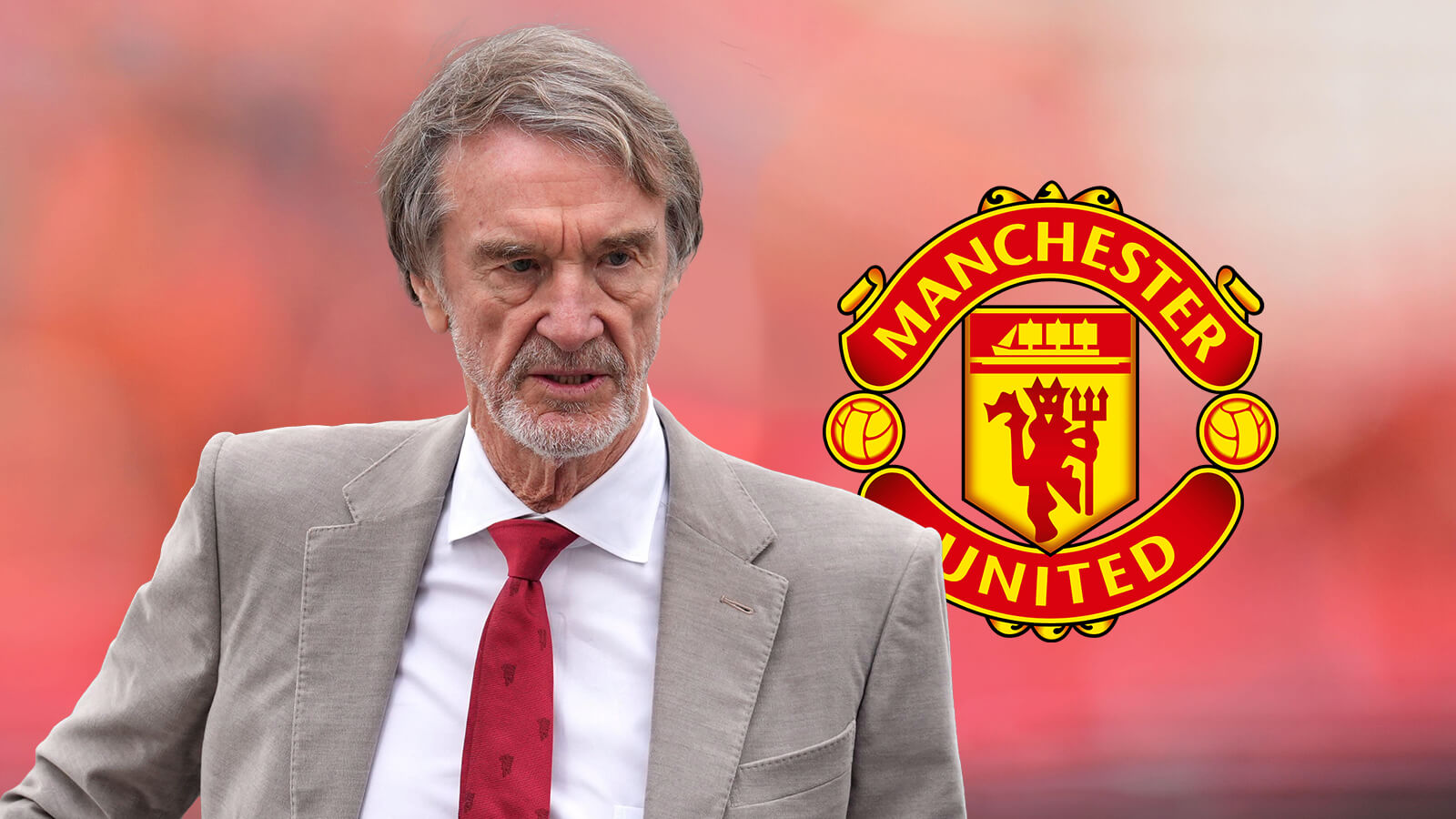
Manchester United's managerial search in 2024 descended into farce, with one candidate left thoroughly bemused by the interview gauntlet orchestrated by co-owner Sir Jim Ratcliffe, according to reports.
The chaos came as the club moved to dismiss Ruben Amorim on Monday following tensions between the Portuguese boss and sporting director Jason Wilcox over tactical formations and January transfer strategy. The breakdown, insiders suggest, reflected deeper structural problems rather than straightforward personality clashes.
According to Ben Jacobs, the former CBS Sports correspondent, United's hierarchy believed Amorim had failed to demonstrate meaningful tactical development during his tenure. The club maintained that no power struggle or ultimatums preceded the sacking, but a fundamental disconnect with Wilcox over recruitment priorities—particularly regarding the balance between forward and midfielder acquisitions—proved irreconcilable.
The decision reinforced United's insistence that any incoming boss would operate within their collaborative leadership model rather than wielding managerial autonomy. Unlike Erik ten Hag's initial remit, future appointments would occupy a head coach role subordinate to the club's decision-making infrastructure.
Yet the recruitment process itself highlighted precisely the dysfunctions fans hoped INEOS and Ratcliffe would remedy. With United languishing 15th last season and devoid of European football, the billionaire's involvement has arguably compounded rather than corrected the club's troubles.
Miguel Delaney of The Independent paints a damning portrait of one candidate's experience. The hopeful manager encountered four distinct interview stages, each populated by officials billed as pivotal decision-makers—a setup that bewildered someone accustomed to more straightforward proceedings. The questioning itself proved disappointingly formulaic.
When the prospect finally reached Ratcliffe himself, with an offer apparently imminent, negotiations ground to a halt. The billionaire was unavailable for three days. He was cycling.
Delaney's conversations with those who've worked alongside Ratcliffe reveal a consistent pattern. Descriptions ranged from "meddles with everything" and "a nightmare to work with" to observations about the particular brand of arrogance that convinces self-made billionaires their success in one domain renders them expert in all others. Micromanagement, it seems, is his default setting—individuals of his ilk proving constitutionally incapable of genuine delegation.
Whether some details have been embellished for comic effect remains unclear, but the fundamental portrait rings uncomfortably true: a club's recruitment apparatus so tangled and personality-driven that even prospective managers question whether they want the job.
Compare options