Derby Glory Won't Become the Norm: Why Pundits Are Getting Ahead of Themselves on United
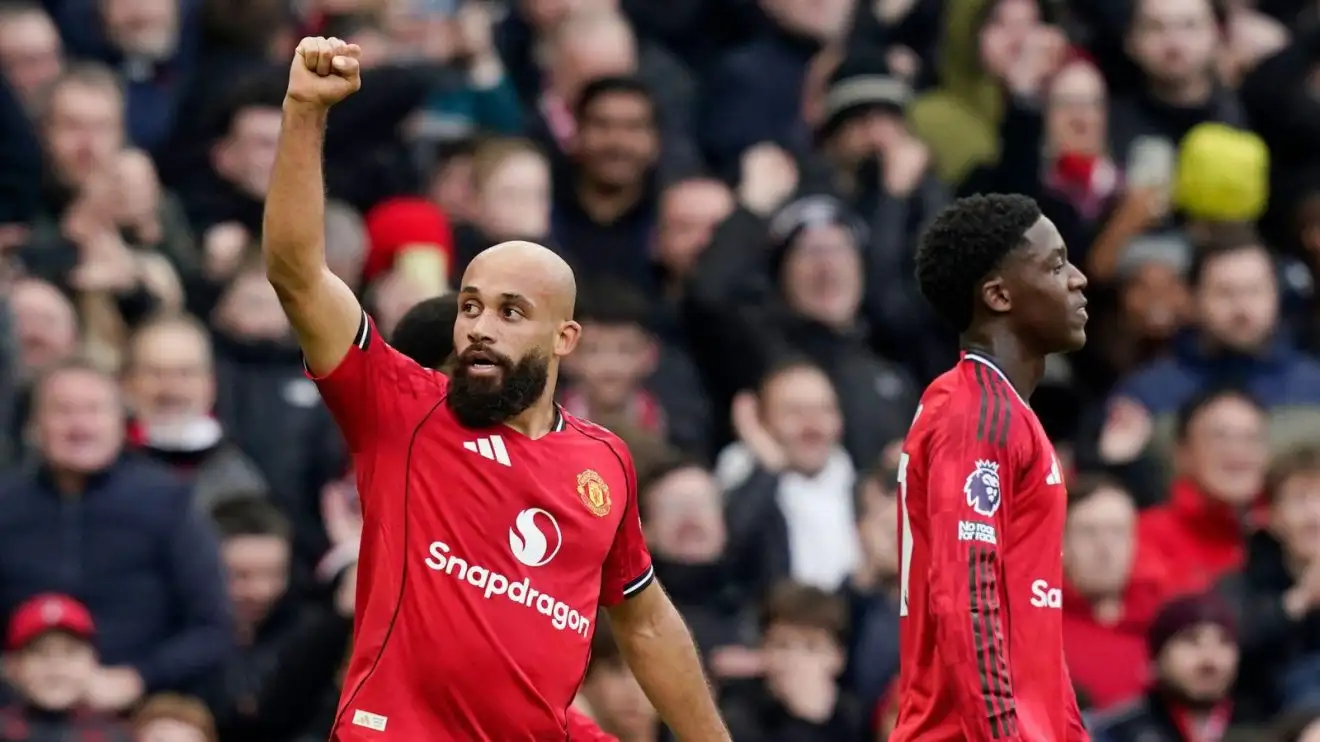
The scenes at Old Trafford on Saturday delivered one of those rare afternoons that will live long in the memory. United dismantled Manchester City with a display of controlled intensity and tactical discipline that hadn't graced a derby encounter in years. Haaland's premature exit summed up City's afternoon of toil.
Yet already, the narrative is being spun into something it simply isn't. Pundits like Alan Shearer are insisting this level must become the standard going forward. That's precisely what he said after the Liverpool win earlier in the campaign. And it's precisely why such claims ring hollow.
Let's examine what actually happened. United's record in derbies since Ferguson departed reads respectably: 12 wins to City's 14, with five draws. Beating City isn't the anomaly some might suggest. Previous triumphs have frequently relied on a familiar blueprint—compact shape, minimal possession, devastating transitions. Saturday followed that template, yet with far greater dominance than usual.
Carrick's adjustments were shrewd. He identified the glaring weakness under Amorim: too much midfield space. The solution was straightforward but effective. Narrowing the shape, compressing the lines, adding bodies in the middle. Dorgu's deployment as a defensive winger who tucked infield proved crucial, offering Mainoo the protection needed to track Foden and Cherki's wanderings. It allowed Amad and Bruno the freedom to press aggressively when City had the ball.
The attacking phase wasn't about hoofing and chasing. United built from the back with composure, held possession in their own third without fuss, then released quick, aggressive moves through the middle—typically via Martinez or an imperious Casemiro. Mainoo's ability to turn pressing opponents and spray passes wide was a particular highlight; if he can repeat that press-beating turn three or four times weekly, he'll become the midfield's pivotal figure.
City, meanwhile, were simply poor. The timing worked in United's favour given Pep's current troubles. There was a spell late in the first half when Guardiola reshuffled things and City pinned United back, knocking the ball around in that trademark way that usually unpicks low blocks. Nothing materialised. They didn't shoot. It felt like last season's lost period—a manager trying to inject directness while inadvertently abandoning the identity that made his side so feared.
Here's where realism must prevail: expecting this every week is foolish. Big derbies have always brought out performances above the usual baseline. United's issue hasn't been getting up for rivals; it's been the bread-and-butter encounters against sides content to sit and force them to dominate possession. That's where Carrick faces his real test.
Tactically, Saturday's approach won't be available against everyone. Other teams will surrender the ball willingly, forcing United to win whilst controlling possession and breaking down defensive structures. That's a different proposition entirely—one that requires maintaining attacking threat whilst remaining defensively secure. It's anything but simple.
So yes, celebrate the derby masterclass. It was a proper performance, the kind that reminds you why United matter. But the pundits demanding this becomes routine? They're chasing fantasy. The real challenge lies in what comes next.
Compare options