Has Manchester United's Player Conduct Overhaul Finally Struck Gold?
Has Manchester United's Player Conduct Overhaul Finally Struck Gold?
Whether through foresight or fortunate timing, Manchester United may have stumbled onto something genuinely promising. The early signs suggest the strategy is beginning to bear fruit.
A New Direction Takes Shape
Did INEOS accidentally find themselves staring down a genuinely bright path? Or did Wilcox and company learn from past mistakes—specifically the perils of letting an untested manager parachute in an equally green backroom staff—and instead leverage their own networks alongside conversations with Carrick to construct something altogether more balanced? A blend of seasoned heads and fresh talent, all with genuine connections to the club and the national setup.
The traditional model, where every top-tier manager insists on bringing his own crew, inflates costs, severs club continuity, and rarely reduces risk or heightens optimism. This approach seemed to contradict the board's stated vision from day one: a unified, collaborative structure rooted in rekindling "United DNA"—delivering results, developing players, strengthening fan bonds, nurturing young coaching talent and academy graduates, all underpinned by graft and technical excellence.
Every INEOS decision to date has been calibrated with the future in sight, built on a transfer and managerial philosophy of acquiring younger talent and cultivating them over time. Handing the reins to a household name would undermine that entirely. The real gamble, then, becomes whether such a figure eventually shares authority or consolidates it, potentially landing us back in the mess Amorim created. That said, if Carrick manages to guide the team smoothly to the finish line, he might become the only realistic option anyway.
Culture Shift and Squad Transformation
Wilcox and Barrada were dismissed as inexperienced, though highly regarded. Is this recent upturn genuine improvement or simply good fortune?
Their recruitment philosophy of steering clear of troublemakers appears to be paying dividends. The squad looks sharper, more content, and visibly more committed. Fresh voices are emerging as leaders, and established ones are reasserting their authority. Word filtering through suggests players like Dorgu are staying late after sessions, Sesko and Cunha treating recovery protocols seriously, and the group generally taking better care of themselves. Contrast that with the missed training, nights out, and late-night gaming sessions that plagued recent years, and the transformation is stark.
This context makes the persistent Rashford return chatter worth treating with caution. The storybook element—the prodigal son coming home—holds romantic appeal, yet logic suggests a clean break might serve everyone better.
Yet football thrives on sentiment. Isn't that precisely why Carrick's potential permanent appointment would mean something? Not purely nostalgia, but because earning it through a second or third-place finish signals something genuinely special has transpired. A big-name hire could prove competent enough, but when did we become so cynical that we've lost the capacity to be swept up by something potentially magical?
The Future Looks Bright
Consider Kobbie Mainoo in this light. Surely this all points toward him inheriting the captaincy once Bruno eventually departs. He's something rare. Academy-bred, supremely talented, and he's battled through setbacks to establish himself as midfield's commanding presence. A grueling year, kept his head down, seized his moment. Never complained, never moaned. (His brother did, but you can't fault simple people for being simple.)
Before that happens, though, hang onto Bruno for another four or five years. The man's a genius. The stock criticism—that his one-man theatrics destabilise shape and demand greater discipline—misses the point. His game was never built on pace; it's built on thinking at speed. As his legs inevitably slow, positional discipline will come naturally. And with a more structured team around him, a younger, fitter Casemiro successor sitting deeper, and Kobbie continuing his development, we might witness an even more refined Fernandes.
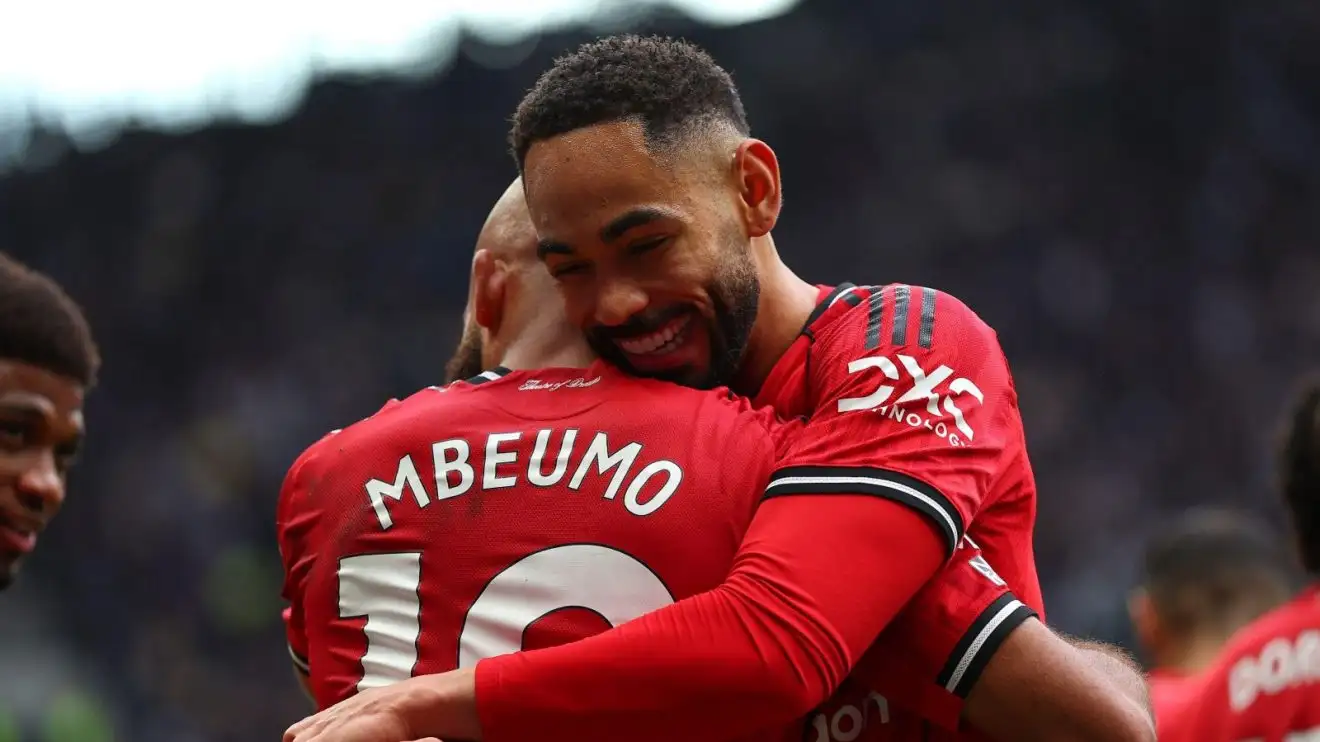
With Mbeumo now operating as a focal point up front and goals arriving from the supporting cast, Sesko finally receives the time and backing Højlund never got. We rightly questioned asking a young, unproven number nine to carry the burden single-handedly. Now a 22-year-old new to English football can arrive off the bench brimming with energy this season, then graduate to regular minutes next year when fixtures pile up, enabling proper development. Regardless of the fee paid, that's how you nurture a young striker.
Lessons From Amorim
One parting thought on Amorim. There were positives—a handful of passengers departed, certain players added new dimensions to their repertoire. Yet his silence upon leaving spoke volumes. Not even a wave to the supporters who backed him through the worst of it. It felt rather small.
We gave it a go. It didn't work out. Now we move toward something brighter, whether by design or pure accident.
The path ahead looks genuinely promising.
Compare options