Carrick's Fortune: Why United Cannot Stumble in Their Perfect Storm
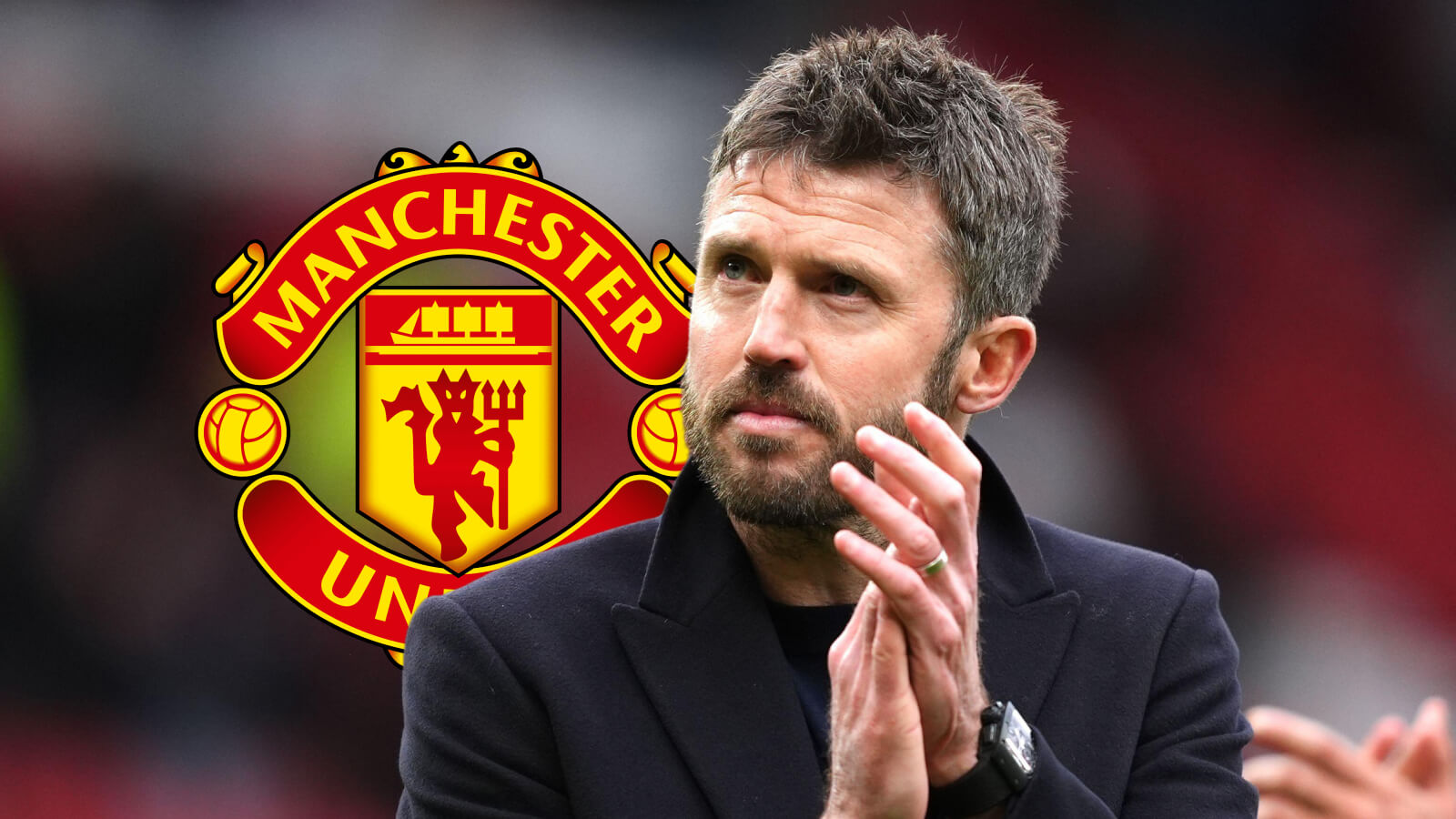
Three months ago, Manchester United looked destined for mediocrity. Now, they sit third—the best of the chasing pack—with a seven-point buffer in the fight for Champions League football. Michael Carrick's interim tenure has engineered one of English football's more startling resurrections.
The numbers tell the story. United went from flirting dangerously with the bottom half to becoming the Premier League's standout performers under Carrick's watch. For a club that appeared broken under Ruben Amorim, this represents vindication of the steadiest sort. The question now is whether the interim boss has done enough to make himself unmissable when the board considers permanent appointments this summer.
Yet success brings its own burden. What once looked like overachievement—simply scraping into the Champions League—now feels like the bare minimum. Anything less risks being branded a collapse, a squandering of momentum that could prompt United to recruit a more established name to replace Carrick come summer.
The peculiar gift of circumstance compounds this pressure. United are currently enjoying their longest scheduled break between matches in 111 years—a 24-day respite that began after their Bournemouth fixture and won't resume until next Monday against Leeds. While their rivals have ground through cup competitions and European ties, Carrick's squad has been gifted time that most managers can only dream about.
The contrast is stark. Arsenal have contested four matches in that window: the Carabao Cup final, FA Cup quarter-final, Champions League quarter-final, and a Premier League game. Liverpool, Chelsea, and Aston Villa have all played three times or more. Manchester City's pre-season was shorter than United's current break.
The international window offered little respite for most. Only Altay Bayindir, Turkey's substitute goalkeeper, saw meaningful action beyond friendlies. When players reconvened, they were afforded days off before embarking on an intensive four-day training camp in Ireland—essentially a mini pre-season compressed into a week.
This is the luxury most managers would trade their job for. While rivals manage fatigue and injuries across multiple fronts, Carrick can drill tactical shape, sharpen physical conditioning, and implement marginal gains without the constant distraction of fixtures. His staff has the commodity all coaches crave: proper time on the grass.
United have already benefited from similar periods of inactivity. A 12-day break in February preceded their win at Everton; 11 days last month came before victory over Aston Villa, a result that swung the pendulum 12 points in United's favour after the Midlands side had led by 11 when Carrick arrived.
That pattern of preparation followed by success cannot be ignored. Yet it also removes any shelter from the storm ahead. The excuses that other managers invoke—fixture congestion, fatigue, the carousel of cup competitions—simply do not exist for Carrick and his players. They arrive at the run-in fresher than any rival, more tactically aligned, and with fewer legitimate reasons for failure.
For a team that has already engineered such a turnaround, the expectation is now crystalline: deliver Champions League football, or face the prospect of being replaced by a manager with the profile originally envisioned when Carrick was merely keeping the seat warm. The gift of time has become a double-edged sword.
Compare options