United's Hierarchy Under Fire as Fans Demand Accountability
The familiar sound of discontent echoes around Old Trafford once more. Manchester United's latest crisis has sparked a familiar debate: who exactly should be held responsible for the club's continued underperformance?
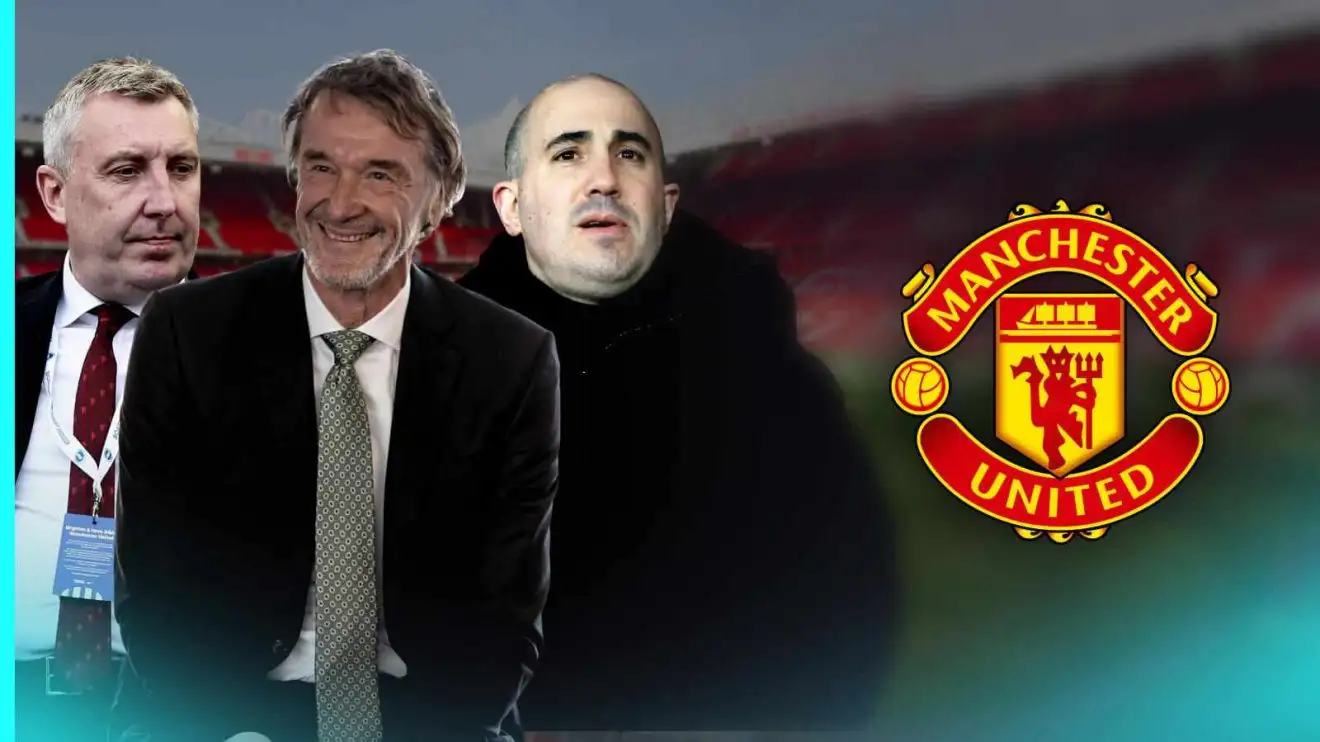
With managerial changes coming thick and fast, some are pointing fingers at those in the boardroom rather than the dugout. Omar Berrada and Jason Wilcox face particular scrutiny, with supporters questioning what qualifications and achievements have earned them their positions. The suggestion is that both executives have hidden behind successive managerial departures, avoiding the accountability that should come with overseeing such a prestigious institution.
The broader question looms large: does Jim Radcliffe genuinely care about success beyond securing European football and allowing the Glazer family to continue extracting profits? History suggests a pattern of underinvestment at critical moments, regardless of who occupies the manager's office.
Some are drawing comparisons to recent political upheaval, arguing that motivated fanbases can force change through sustained pressure. The prescription being offered is direct action—making life uncomfortable for decision-makers through social media campaigns and public scrutiny before moving up the hierarchy towards Radcliffe and ultimately the Glazers themselves.
The Burnley Encounter and Refereeing Woes
The recent clash with Burnley served up a cocktail of frustration. An own goal gifted the visitors a first-half lead despite them managing zero shots on target. Controversial refereeing decisions followed, with one disallowed goal sparking confusion about what contact actually constituted a foul. The irony wasn't lost on observers: had the incident occurred in United's penalty area with Lisandro Martinez involved, no free-kick would likely have been awarded, yet pundits would have spent the week debating whether the Argentine defender is cut out for English football's physical demands.
Hannibal Mejbri's theatrical display added another layer of comedy to proceedings, earning yellow cards for diving while the referee seemed remarkably lenient about what constituted simulation.
Finding Light in the Gloom
Not everyone has surrendered to doom. Some United supporters point out that 2024-25 remains genuinely competitive across the league, with seventeen clubs capable of appearing in crisis on any given weekend. The goal difference column tells a fascinating story of mediocrity spread across multiple sides.
From this perspective, United's position knocking on the Champions League door isn't catastrophic. With Liverpool and Chelsea also scrambling for top-four spots, the mathematics suggest each club holds roughly a two-in-three chance of qualification. That's hardly the stuff of a club destined for oblivion.
The squad composition argument also deserves examination. The players currently at the club have previously demonstrated they're capable of challenging for top-five finishes. The problem hasn't been recruitment of inferior talent but rather tactical deployment and squad management. McTominay thrived elsewhere after leaving; Rashford has been worn down by lack of support; Hojlund hasn't been given consistent opportunities in a system suited to his strengths.
Under Solskjaer, United proved capable of executing a counter-attacking approach against elite sides whilst also breaking down defensive setups with Bruno Fernandes orchestrating play. The subsequent attempt to accommodate Cristiano Ronaldo and Harry Maguire's specific requirements undermined the system's coherence.
The real issue stems from Amorim's apparent unwillingness to show tactical flexibility. Three winnable fixtures—Everton, West Ham, Wolves—went unconverted, and the formation became almost a matter of principle rather than pragmatism. No manager survives long-term without adapting to circumstances.
Realistic Ambitions
Perhaps United need recalibrating expectations. Before dreaming of title challenges, establishing two or three seasons of consistent top-four finishes and squad-building should take priority. Bringing in a manager capable of that foundation, then targeting a genuine title contender thereafter, represents a more sensible pathway than hoping for immediate transformation from a 12th-place starting position.
Defensive vulnerabilities against lower-placed sides and excessive goal concessions despite the three-at-the-back structure are fixable problems requiring tactical adjustments and improved game management rather than wholesale squad overhauls.
The curse narrative—with talk of Ferguson's supposed dark pact—feels less substantive than acknowledging that United remain fundamentally a cup competition team in the modern era, lacking the sustained excellence that defined the Scotsman's reign.
Compare options