Stop the DNA Talk: Manchester United Simply Had a Decent Day at the Office
Manchester United beat Manchester City on Saturday. It was rather good. But somewhere between the final whistle and the evening news, the sporting press decided this wasn't just a well-executed performance—it was proof of something far grander.
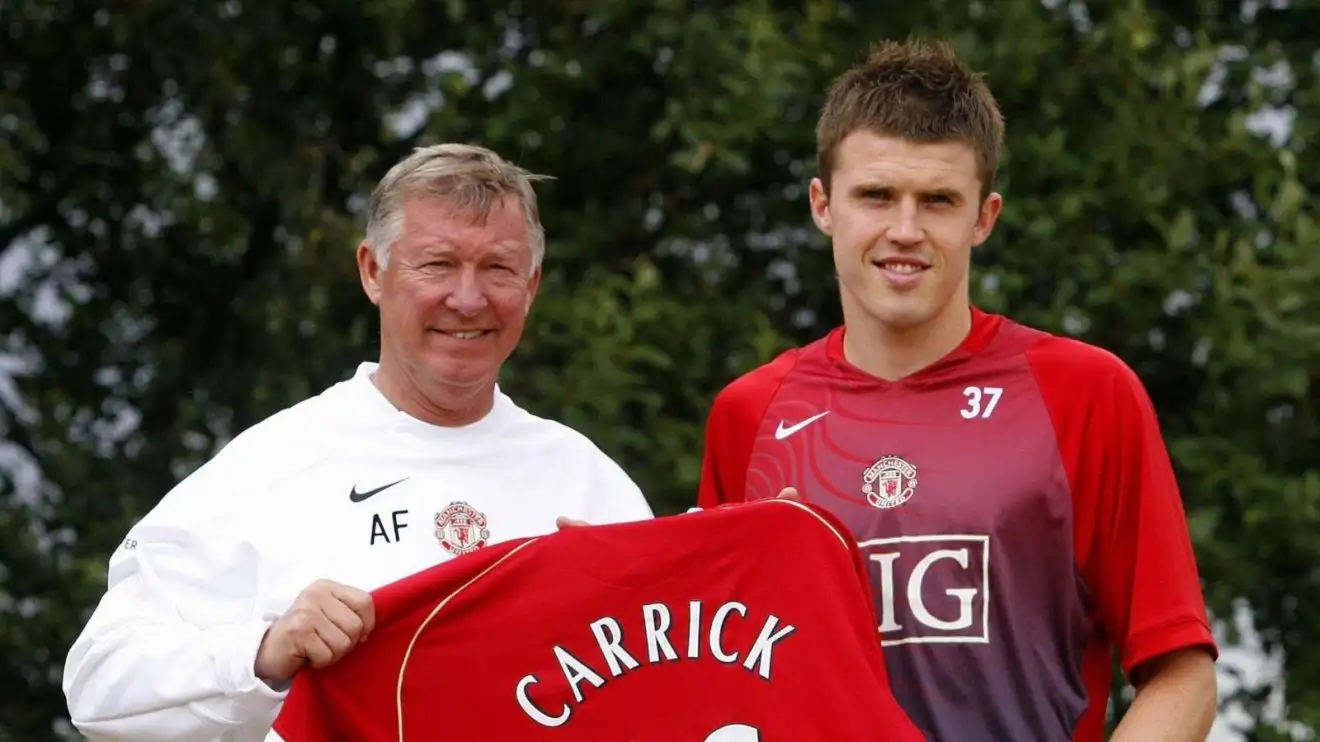
Cue the endless pontificating about "United DNA" and throwbacks to the Ferguson era. Gary Neville, presumably because he works for Sky Sports, felt compelled to suggest that Michael Carrick had somehow "proved" this nebulous concept exists. One win against a City side fielding a makeshift defence has apparently solved months of debate about the club's identity.
Let's be clear: this is nonsense. Carrick did an excellent job preparing United to face City, but one match proves precisely nothing. By that logic, United's October victory at Anfield would have validated Ruben Amorim's system entirely. Nobody's making that argument.
What actually matters? Amad and Bryan Mbeumo were back. Having your best attacking players available tends to improve performance. Funny how that works.
The narrative has become suffocating. Carrick picked a formation and personnel that suited his squad. He set them up to deny City space, close them down quickly, and hit on the counter. That's not some mystical throwback—that's basic football sense against a possession-dominant opponent. Any competent manager would attempt something similar.
Yet the media has dressed it up as something revolutionary. One outlet called it "unexpected" that United were happy to cede possession. Another hailed an "instant change for the better" from the previous regime. Carrick's Middlesbrough side actually dominated the ball; United had just 32 per cent possession here. That's not his template—it's simply what the occasion demanded.
Even Bernardo Silva acknowledged it after the match: United took the game to where they're effective. That's tactical intelligence, not institutional DNA.
The danger in all this? It obscures what actually happened. Carrick made sensible choices. United executed them well. City fielded an injury-hit defence. These are facts worth discussing.
What isn't worth discussing is whether one derby victory validates some half-baked philosophy about how Manchester United "should" play. Ferguson himself never had one rigid idea across 20-odd years. He adapted. He was pragmatic. He won.
The real test comes against the teams currently occupying 10th place and below. That's when we'll genuinely know whether Carrick's approach has substance. Until then, perhaps the media could simply celebrate a very good performance without dressing it up as proof of anything beyond basic competence.
While this reporting persists, United remain stuck between past and present. And that's the real problem.
Compare options