Dismissing Carrick as United's Long-Term Solution? Roy Keane and the Club Are Living in Fantasy Land
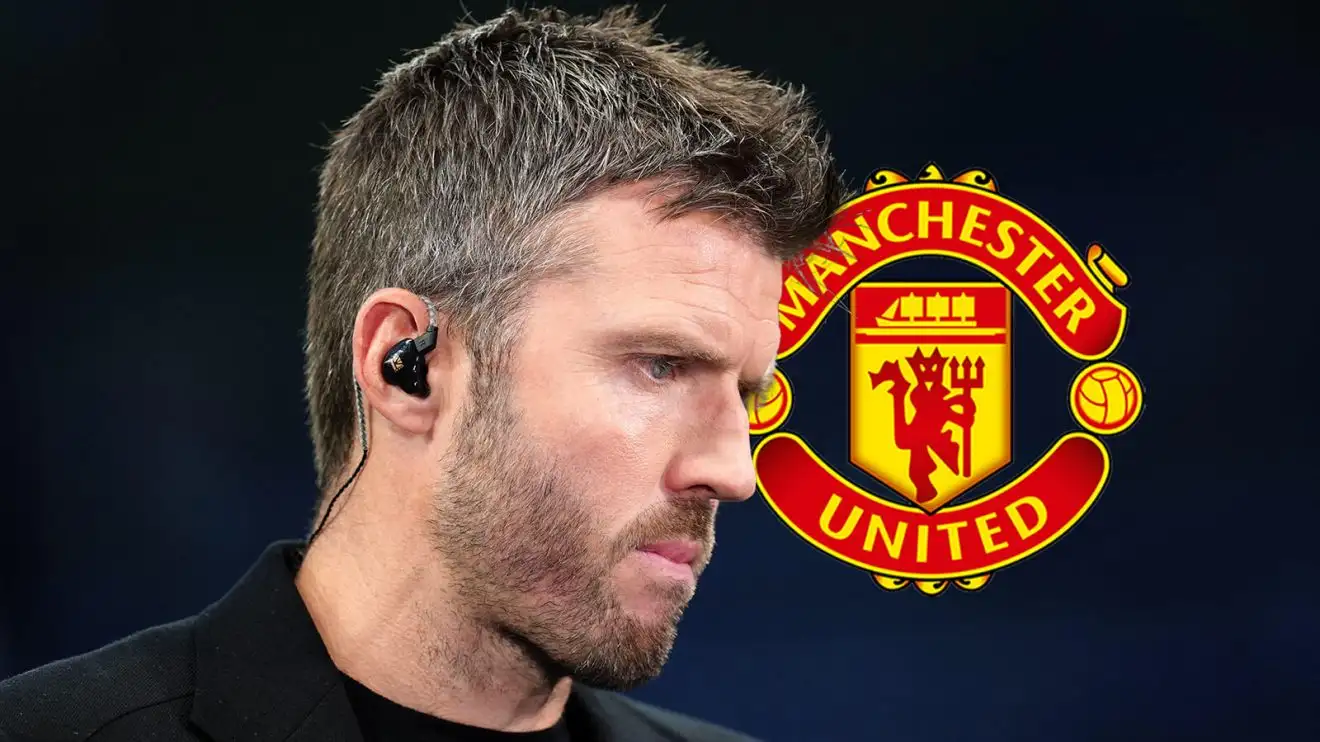
Those queuing up to dismiss Michael Carrick as Manchester United's long-term solution—particularly Roy Keane—need to answer a rather straightforward question: who exactly should get the job instead? The evidence suggests they can't, because every conceivable avenue has been explored over the past 13 years without success.
Trophy-laden managers? Tried it. Bright young prospects on the rise? Same result. Proven winners with European pedigree? Nothing. The club has cycled through every category of candidate imaginable, and each has disappointed. The only path genuinely untrodden is handing the reins to a lower-league success story—perhaps someone like Andy Woodman, currently topping League Two with Bromley—though United's self-regard probably makes such a move unthinkable despite their catalogue of disasters.
Keane insists they need "a bigger, better manager," yet the bigger and better have already had their turn. The logic collapses under scrutiny. Any attempt to construct a statistical case for or against Carrick, or anyone else, crumbles against the weight of historical precedent. Facts and figures become meaningless when everything has been tried before.
The Arsenal performance offered a glimmer of something different—a reminder of the team people once despised two decades ago, like watching someone stir from a prolonged sleep. But one result proves nothing, especially against a supposedly commanding division-leader that somehow managed to look feeble in defeat.
How should United actually decide? Not purely on results, though results matter. Not simply on playing style, though that factors in. They need someone who carries himself with dignity, avoids dogmatic rigidity, can galvanize both players and supporters, and projects genuine competence. It's admittedly nebulous territory—gut instinct dressed up as strategic thinking. Carrick's facial hair might be as valid a criterion as any, given that European silverware clearly wasn't.
Understanding the club's predicament—both practically and spiritually—probably matters more than tactical knowledge. Someone the dressing room feels comfortable around would be a blessed relief compared to the inflexible ideologues who've come before. Most crucially, they'd need thick enough skin to withstand the constant meddling from ownership, a group that's demonstrated spectacular incompetence while collecting handsome salaries.
One genuine advantage exists: expectations have bottomed out. After prolonged mediocrity, there's no pressure. Without European or domestic cup football cluttering the fixture list, Carrick enjoys breathing room his predecessors lacked. That's a considerable opportunity—though Jim Ratcliffe's track record suggests he might squander it through another calamitous decision.
Against Carrick's appointment, criticism flows freely. Against anyone else you might propose, exactly the same criticisms apply. There's no certainty it'll work; equally, there's nothing proving it won't. On his side sits an encouraging record: six points from six against the league's top two.
Yes, he needs to demonstrate he can handle the bottom-third clubs. But there's no reason to rush judgment. June provides ample time for a final decision. The remainder of this season offers a comprehensive audition that few other candidates would receive. If success continues, what earthly purpose would changing serve?
The Ole Gunnar Solskjaer precedent gets wheeled out as a cautionary tale about sentimental appointments. Yet consider this: if Carrick matches Solskjaer's record of third and second-place finishes in full seasons, plus semi-finals and a final appearance, that would constitute genuine success given how far the club has fallen. Expecting anything better would be both deluded and arrogant.
Compare options