Carrick's Nine-Day Masterclass: The Anti-Amorim Blueprint Taking Shape at Old Trafford
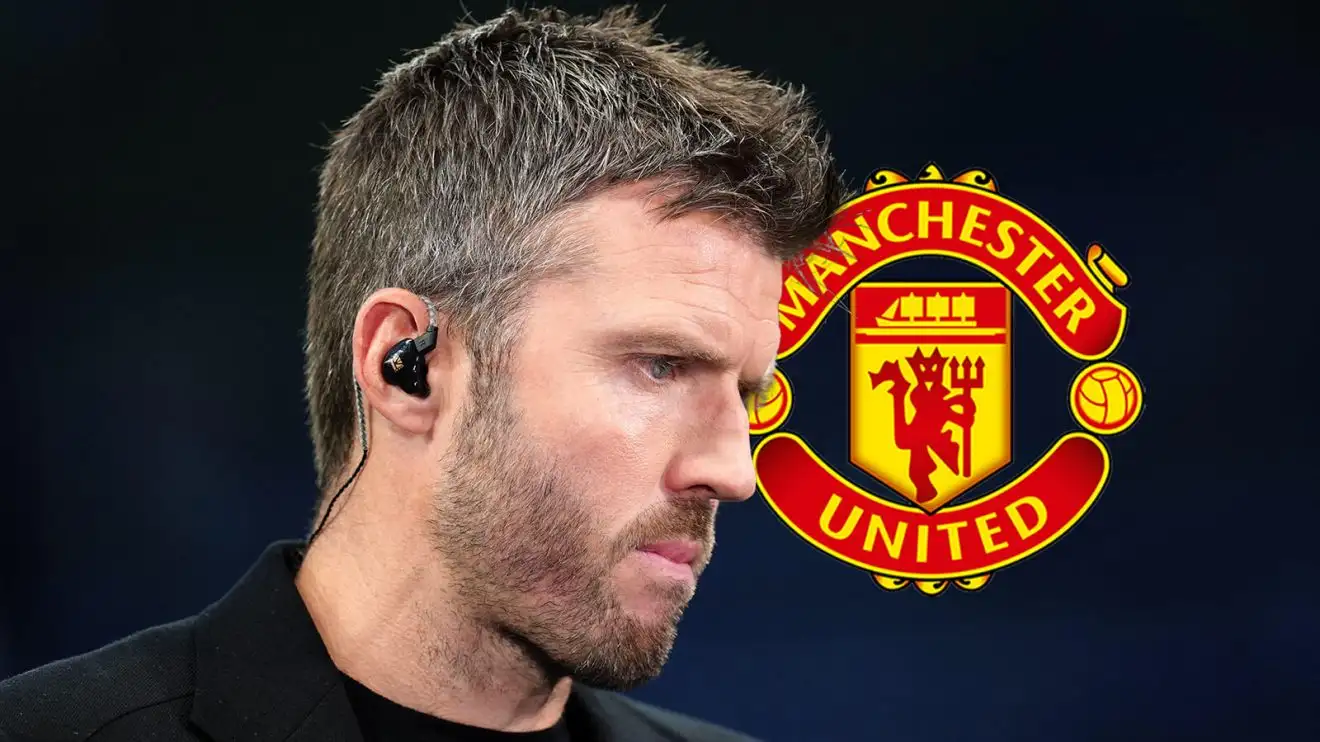
Michael Carrick's revolution at Manchester United is already bearing fruit, and it's playing out on two fronts: the pitch and the dressing room.
The interim manager has engineered a stunning reversal of fortunes since taking charge, most visibly demonstrated by Saturday's commanding 2-0 victory over Manchester City—a performance that harked back to the glory days under Sir Alex Ferguson for the first time in years at Old Trafford. Yet the transformation extends far beyond what happens between the white lines.
Behind the scenes, Carrick has implemented a fundamentally different operating philosophy to that of his predecessor, Ruben Amorim. According to reports from his discussions with the Glazer brothers and Sir Jim Ratcliffe, the new boss emphasised his commitment to "quality over quantity" in both training and preparation. He stressed that candour and integrity matter just as much as technical ability on the training ground—a message that apparently resonated strongly with the hierarchy, who were particularly struck by his "calm and intelligent demeanour."
Recognising the natural uplift in morale that typically accompanies a managerial change, Carrick worked closely with assistant Steve Holland to capitalise on the improved atmosphere from day one. Holland was given the freedom to design and run training sessions at Carrington, with a particular focus on efficiency. Players have reportedly been impressed by the meticulous planning evident in these shorter, more intense sessions—a stark contrast to what they experienced under Amorim.
Carrick has also strategically deployed Harry Maguire as a dressing-room voice, tasking the captain with reinforcing to teammates that the club has now appointed someone whose values align with United's fundamental principles.
The interim boss is adopting a markedly different approach to player management in the immediate aftermath of matches. Where Amorim would often dispatch players home without discussion, Carrick insists everyone leaves the away dressing room feeling valued and appreciated. He's also discouraged the squad from rushing off after fixtures, wanting to build relationships and assess which combinations click. This gives him time for individual conversations, particularly with those on the periphery.
Even the logistics of matchday have shifted. United are arriving at grounds later than before to prevent players standing idle before kick-off and to ensure supporters give them the warmest possible reception.
The positivity surrounding the club has been somewhat marred by inflammatory commentary from former players Paul Scholes and Nicky Butt. Carrick, however, has made his position crystal clear: he's steering clear of the noise and has instructed his players and coaching staff to do likewise, viewing such distractions as irrelevant when genuine problems require fixing.
It's a measured, purposeful start—and the results suggest it's working.
Compare options