Amorim's Manchester United Exit: The Breakdown Behind the Sacking
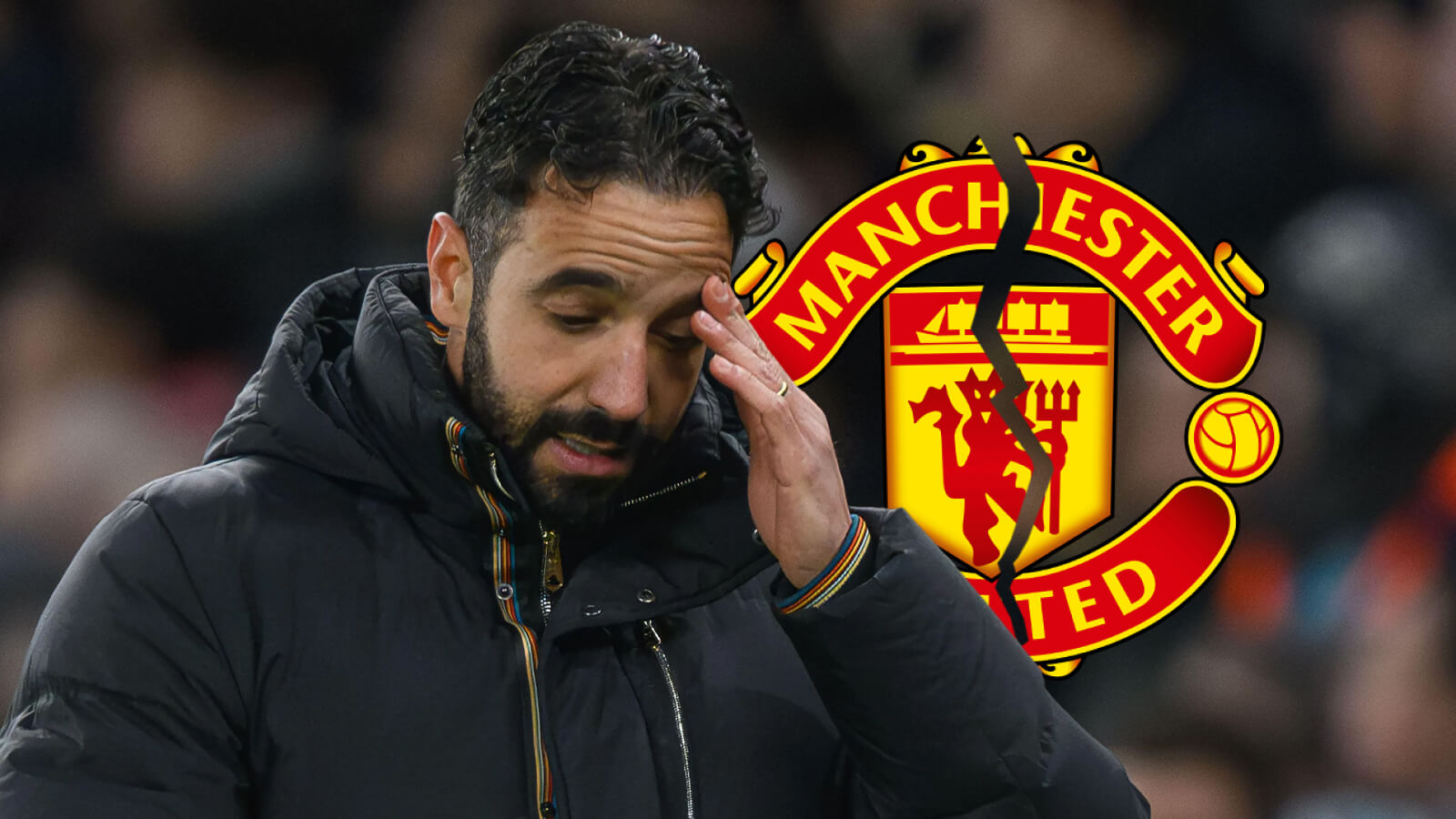
Manchester United have pulled the trigger on Ruben Amorim, ending what has been a tumultuous spell at Old Trafford. The club confirmed on Monday that the Portuguese coach has departed his position, with Darren Fletcher assuming temporary charge ahead of Wednesday's clash against Burnley.
The sacking comes in the aftermath of Amorim's public criticism of the club's hierarchy on Sunday, following a 1-1 draw with Leeds that left United languishing in sixth place, though still just four points adrift of 14th-placed Crystal Palace.
Amorim arrived in November 2024 with considerable fanfare and steered the side to a Europa League Final in Bilbao scheduled for May. Yet despite this achievement, the club's leadership concluded that a managerial change offered the best route to maximising their Premier League finish.
The Breakdown
According to Sky Sports News, Amorim's departure stemmed from far more than a string of poor results. The head coach's emotional volatility and reluctance to adapt his tactical blueprint proved decisive factors. A scheduled meeting between Amorim and director of football Jason Wilcox on Friday proved pivotal, with discussions centring on the team's tactical approach. United's hierarchy perceived his response as distinctly negative and emotionally charged.
The fundamental issue wasn't Amorim's preference for a 3-4-3 formation. Rather, it was his refusal to evolve tactically in response to differing circumstances and the team's development. The club had invested approximately £250 million in new signings since his appointment, with the understanding that central midfield would be addressed in the summer transfer window. An opportunistic move for Antoine Semenyo—a long-standing target—would never have compromised those broader summer plans.
United's hierarchy remain convinced the squad possesses sufficient quality to secure European football. Yet Amorim's persistent negativity in media utterances created an untenable situation. The consensus was that whilst the board believed in the players, the head coach appeared to lack that same conviction.
The original arrangement stipulated a period of stability followed by tactical evolution. Amorim failed to deliver on that commitment.
The Verdict
Jamie O'Hara, the former Tottenham midfielder, offered a characteristically blunt assessment. "He simply wasn't good enough," O'Hara declared on Sky Sports. "The statistics speak volumes. United have deteriorated since his arrival—he made the club demonstrably worse."
O'Hara acknowledged the frustration among supporters at yet another managerial departure, but offered little sympathy to the departing coach. "He arrived promising his philosophy and cultural transformation. When you take on a role of this magnitude, you must prove your credentials. He's done precisely the opposite."
United's reluctance to make another managerial change is evident. But faced with a coach unwilling to adapt, coupled with his increasingly negative public pronouncements, the club felt compelled to act. Fletcher will now take the reins temporarily as United attempt to salvage their season.
Compare options