Amorim's Downfall: The Moment Ratcliffe Lost Faith and United's Recruitment Reckoning
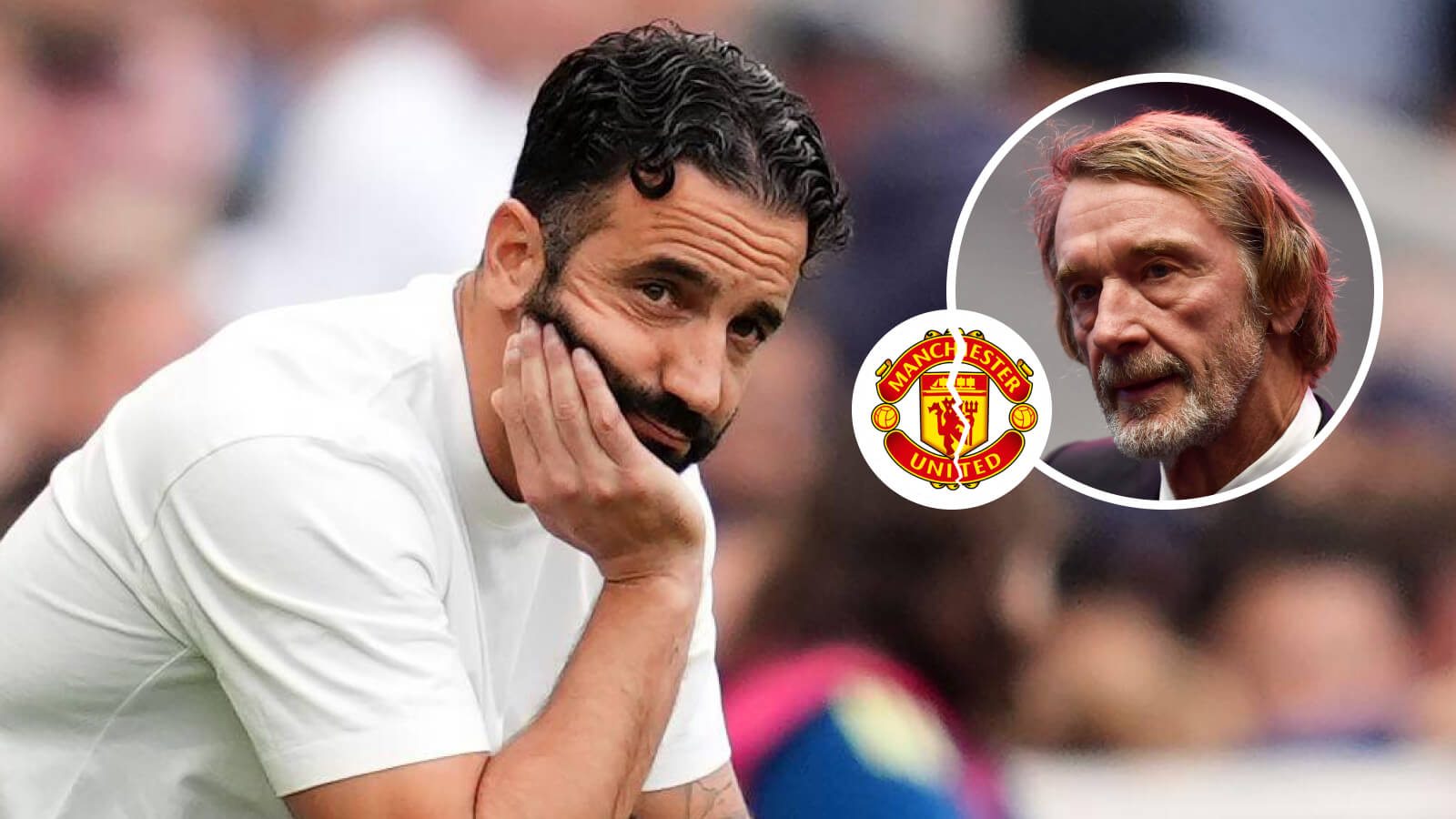
Ruben Amorim's catastrophic 14-month tenure at Manchester United came to an end on Monday morning, but fresh reporting has exposed exactly when the wheels fell off between the Portuguese boss and Sir Jim Ratcliffe's regime at Old Trafford.
The Athletic's Laurie Whitwell has pieced together the events that led to last week's pivotal meeting between Amorim and director of football Jason Wilcox—a conversation that ultimately proved the point of no return.
The turning point came when Amorim reverted to his favoured back three formation against Wolves, a side struggling for form. According to Whitwell, this decision proved "an alarming and concerning development" that prompted urgent discussions among United's power structure.
"When he reverted to his back 3 against Wolves, who are struggling in form, that was an alarming and concerning development. There were conversations had between all the powerbrokers at United," Whitwell explained on the Talk of the Devils podcast.
The Friday meeting between Wilcox and Amorim proved decisive. Wilcox raised concerns that players weren't operating on the same wavelength as their manager—a point Amorim received poorly.
Ratcliffe's relationship with Amorim underwent a dramatic shift during this period. Initially, the United co-owner had been a genuine advocate for the appointment, alongside recruitment figure Omar Berrarda. Ratcliffe even engaged in lengthy early conversations with Amorim and publicly backed him through the manager's own moments of self-doubt.
However, Ratcliffe began developing reservations about United's tactical setup, specifically pushing for a back four. This shift coincided with Wilcox adopting a more forceful tone in his discussions with Amorim about formation changes.
"Ratcliffe started having opinions shall we say about United playing a back four and this is when Jason Wilcox became more forceful in his conversations on that basis," Whitwell noted.
The Friday meeting proved to be the final straw. Whatever transpired in that conversation left United's hierarchy convinced they couldn't move forward with Amorim.
The irony is that Amorim's tactical flexibility did produce dividends when he adjusted his system to suit his available personnel. Yet his return to his preferred setup quickly reignited frustration among supporters and observers alike.
There's a broader reckoning too. Ratcliffe and United's recruitment operation have overseen a litany of poor decisions since arriving at the club, with many now viewing Amorim's appointment as their most significant misstep.
Former interim manager Ruud van Nistelrooy, who stepped aside following Amorim's arrival after an impressive spell in caretaker charge, represents another source of regret. "There's some regrets at United that they just let him go. He was very popular," according to Andy Mitten.
United's recruitment strategy continues to face serious questions as they search for a permanent replacement.
Compare options