Amorim's Inner Circle Points Finger at United Players as Carrick's Turnaround Speaks Volumes
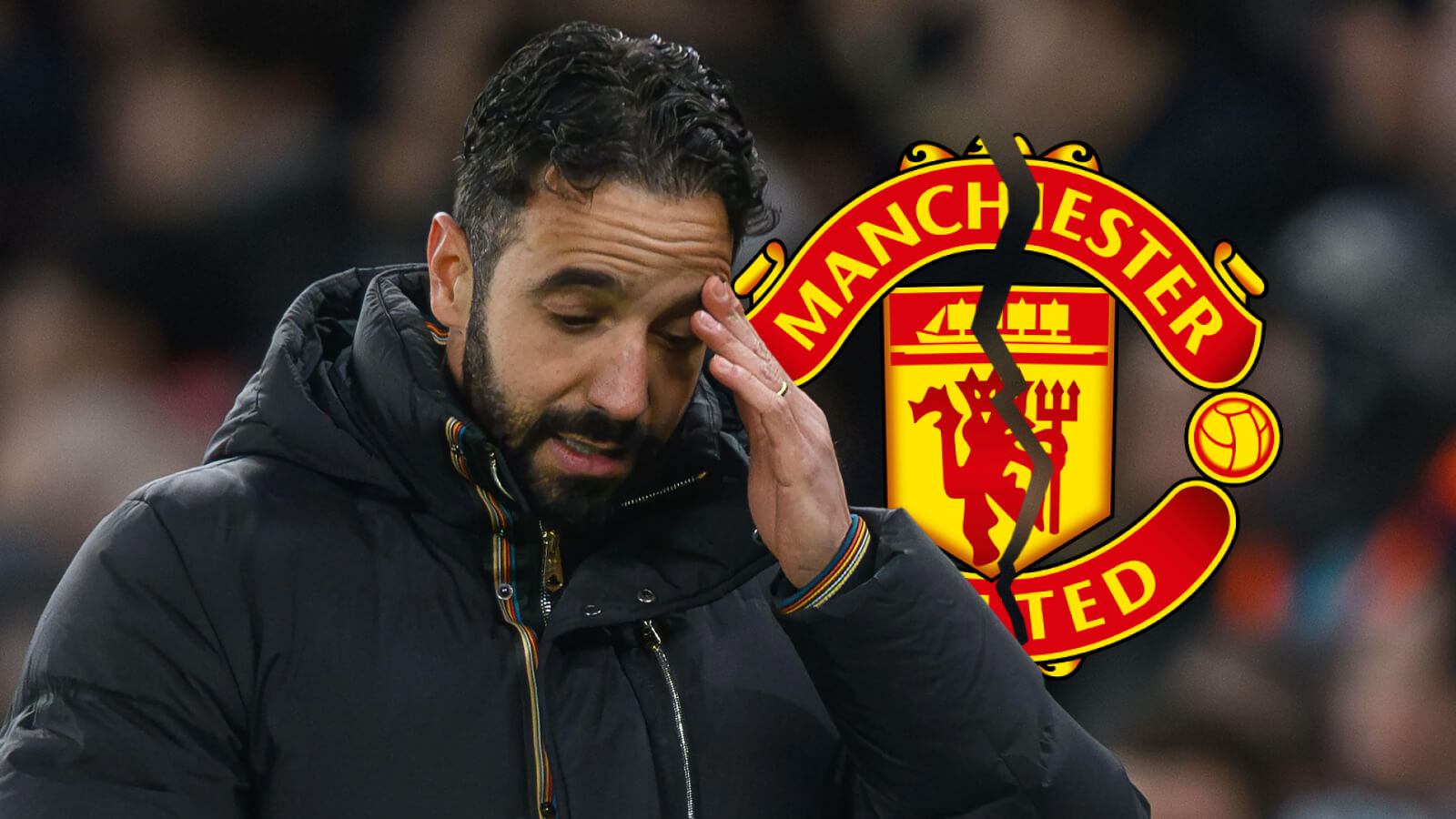
The contrast could hardly be starker. Michael Carrick has waltzed in and steered Manchester United to six victories and a draw from seven matches since taking temporary charge, whilst Ruben Amorim's 14-month tenure ended in January having yielded far grimmer returns. Now someone from the Portuguese manager's backroom is offering an explanation.
Adelio Candido, who served as one of Amorim's coaching staff during that troubled Old Trafford stint, has decided to lift the curtain on what went wrong. Speaking to Portuguese publication A Bola, Candido suggested the fundamental issue lay not with the manager's methods, but rather with the players' willingness—or lack thereof—to absorb them.
"Experience is always experience, whether the outcome is good or bad, we always come away with learning," Candido reflected. "In Manchester, I really liked the city and the way the fans experience football, more focused on the project than on the immediate result. What I liked least was, without a doubt, feeling that our ideas weren't fully implemented."
It's a pointed observation. Here was a squad brimming with talent, yet somehow unable or unwilling to execute what Amorim and his team were attempting to install. Carrick's rapid transformation of those same players suggests the issue may have been more nuanced than simple tactical incompatibility.
Candido remains in Amorim's orbit, waiting for the next opportunity. "Only the future will tell if leaving was bad for our careers or not," he said. "Right now I'm enjoying my free time with my family without thinking too much about the future, but I know that when my phone rings, Ruben will talk to me."
Amorim himself has maintained a public silence since his departure, but his final press conference—following a 1-1 draw against Leeds—painted a picture of a man at odds with his surroundings. In a remarkable closing statement, he made clear his frustration about the distinction between being a manager and a mere coach.
"I came here to be the manager of Manchester United, not to be the coach of Manchester United. That is clear," Amorim declared. "I know that my name is not Thomas Tuchel, it's not Antonio Conte, it's not Jose Mourinho, but I'm the manager of Manchester United and it's going to be like this for 18 months or when the board decides to change."
The subtext was unmistakable. Amorim believed he'd been brought in to shape the club's direction across multiple departments, not simply to manage matches week-to-week. When pressed on whether assurances had failed to materialise, he doubled down: "Every department – the scouting department, the sport director – needs to do their job. I will do mine for 18 months, and then we move on."
There was also a pointed jab at the club's culture. "If people cannot handle the Gary Nevilles and the criticisms of everything, we need to change the club," he added—a thinly veiled reference to the external noise and internal politics that appeared to have hamstrung his efforts.
Whether Candido's comments represent a genuine attempt to set the record straight or simply an exercise in damage control remains debatable. What's undeniable is that Carrick's swift success has rendered the comparison unavoidable—and rather uncomfortable for those who championed Amorim's appointment.
Compare options