United in Chaos: Carrick's Appointment Leaves Fans Divided on Competence and Direction
The Carrick Conundrum: United Damned Either Way
Michael Carrick's appointment as interim boss has done little to inspire confidence among the Old Trafford faithful. The situation perfectly encapsulates the club's organizational dysfunction: if Carrick underperforms, it proves the January sacking of Amorim was premature; if he succeeds, it suggests the Portuguese manager—hired with considerable fanfare and financial backing—was inferior to a stopgap solution.
Either scenario paints a damning picture of United's decision-making at the highest level.
The One-Season Wonder Trap
There's a recurring pattern in football recruitment that deserves scrutiny. Clubs routinely spend astronomical sums on players who've enjoyed a single stellar campaign, yet this same logic mysteriously applies to managerial appointments.
Amorim, Ten Hag, Nagelsmann, Alonso, and Slot have all been installed at elite clubs on the back of one standout season. Winning a league once and winning it consistently across multiple competitions and different leagues represent vastly different propositions. The talent required to achieve the latter is in another stratosphere entirely.
These managers have since been exposed as lacking the sustained excellence required at the game's summit. This doesn't necessarily disqualify them from future success, but blindly backing unproven commodities represents poor governance. The smarter approach involves either developing managerial talent from within—as Barcelona did with Guardiola or Madrid with Zidane—or recruiting proven winners with multiple trophy hauls across years and competitions: Ancelotti, Tuchel, Flick, Klopp, Enrique.
United must learn this lesson. The alternative is perpetuating the same cycle of expensive failure.
Should Carrick Get a Fair Hearing?
One legitimate question: does Carrick deserve consideration for the permanent role if he delivers tangible improvement? Some observers argue his lack of "credentials" disqualifies him regardless of results, yet credentials didn't exactly serve Amorim, Ten Hag, or Mourinho particularly well.
Admittedly, a manager who struggled at Middlesbrough seems unlikely to suddenly flourish at one of world football's biggest stages. But if he somehow guides United into the Champions League, dismissing that achievement as irrelevant would be perverse.
Defending the "Dunderheeds"
The toxicity surrounding United has reached fever pitch, with the club's leadership routinely pilloried across media and social platforms. Yet perspective matters here.
Ratcliffe may not be ideally suited to running a sporting organization, but labeling a self-made billionaire "stupid" stretches credibility. His approach has been questionable; his intellect is not.
Berrada made errors—notably retaining Ten Hag before pivoting to Amorim—but boasts a distinguished pedigree from Barcelona and Manchester City. On the financial side, the club inherited catastrophic mismanagement from the Woodward era. The cost-cutting measures have been painful but necessary: wages are down, losses dramatically reduced. Ratcliffe personally invested £300 million—a rare gesture from an owner in recent memory.
Recruitment, meanwhile, has improved markedly. Younger prospects like Dorgu and Lammens, established Premier League performers like Mbeumo and Cunha, represent smarter strategy than the scattergun approach of previous years. The Lammens-over-Martinez call was brave and strategically sound given United's constraints. Yes, questions linger about specific haggling and the failure to sign a midfielder, but no club exits a transfer window unscathed.
Wilcox, the Sporting Director, has been unfairly blamed for the Amorim appointment. Until proven directors like Monchi or Begiristain publicly critique his decisions, perhaps the criticism deserves tempering.
The Lacey Distraction
Shea Lacey's red card has become a symbol of United's wider dysfunction, yet this warrants pushback. The lad is eighteen. Bouncing a ball into the ground in the 91st minute of an FA Cup tie hardly constitutes a cardinal sin. He'd spent the previous twenty minutes demonstrating his capabilities; a moment of youthful exuberance hardly defines his career or the club's trajectory.
The referee's interpretation seems equally questionable. In a world of genuine crises, perhaps the anger directed at twenty-two young men and those organizing their efforts deserves recalibration.
The VAR Farce Continues
City's Erling Haaland was flagged offside in a decision that left observers baffled. The "subjective offside" ruling contradicts the 50-millimeter tolerance apparently afforded to Florian Wirtz days earlier.
Whether a fragment of skin detached itself from Haaland's heel or some other microscopic infringement occurred remains genuinely unclear. The word "obvious" has apparently been redefined by officials. This represents another embarrassment for a system supposedly designed to eliminate clear errors.
Player Burnout Concerns
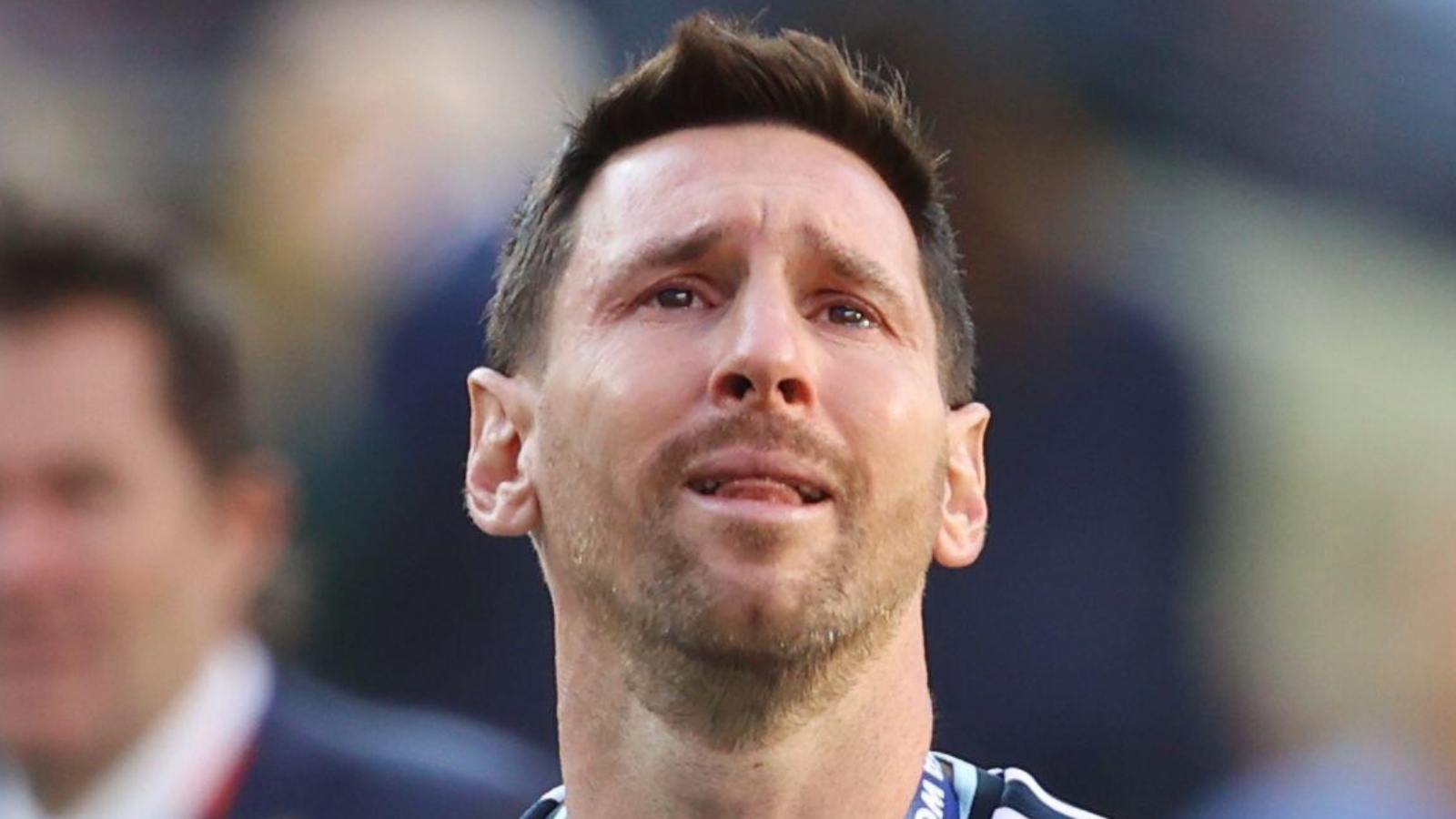
Bukayo Saka's workload raises legitimate alarm bells. Between ages seventeen and twenty, the Arsenal winger accumulated 13,042 minutes for the senior team. Compare that to Messi (6,442 minutes) or Phil Foden (6,646 minutes) over identical periods—the disparity is startling.
Young players burning out at accelerated rates demands investigation. Arsenal should consider rotating Saka more liberally and providing opportunities to prospects like Ethan Nwaneri.
The Gate Receipt Dilemma
The debate surrounding Manchester City's refusal to donate gate receipts to Exeter City in the FA Cup merits nuance. Crystal Palace voluntarily sharing income from 6,000 seats at Moss Rose differs fundamentally from City being publicly pressured to donate their half of the Etihad's revenue.
Setting precedent without definition creates complications: do City now donate to all lower-league opponents? Only those below a certain capacity? Bigger clubs relegated from the Premier League like Wigan and Bolton—do they qualify?
The Football League should have negotiated these terms when the FA scrapped replays, perhaps stipulating that non-league clubs retain 75% of gate receipts when facing Premier League sides competing in European competitions. Clear parameters eliminate begging and false moral posturing alike.
Compare options