Empty Seats, Full Sense: Why City Fans Staying Home Deserve Credit, Not Criticism
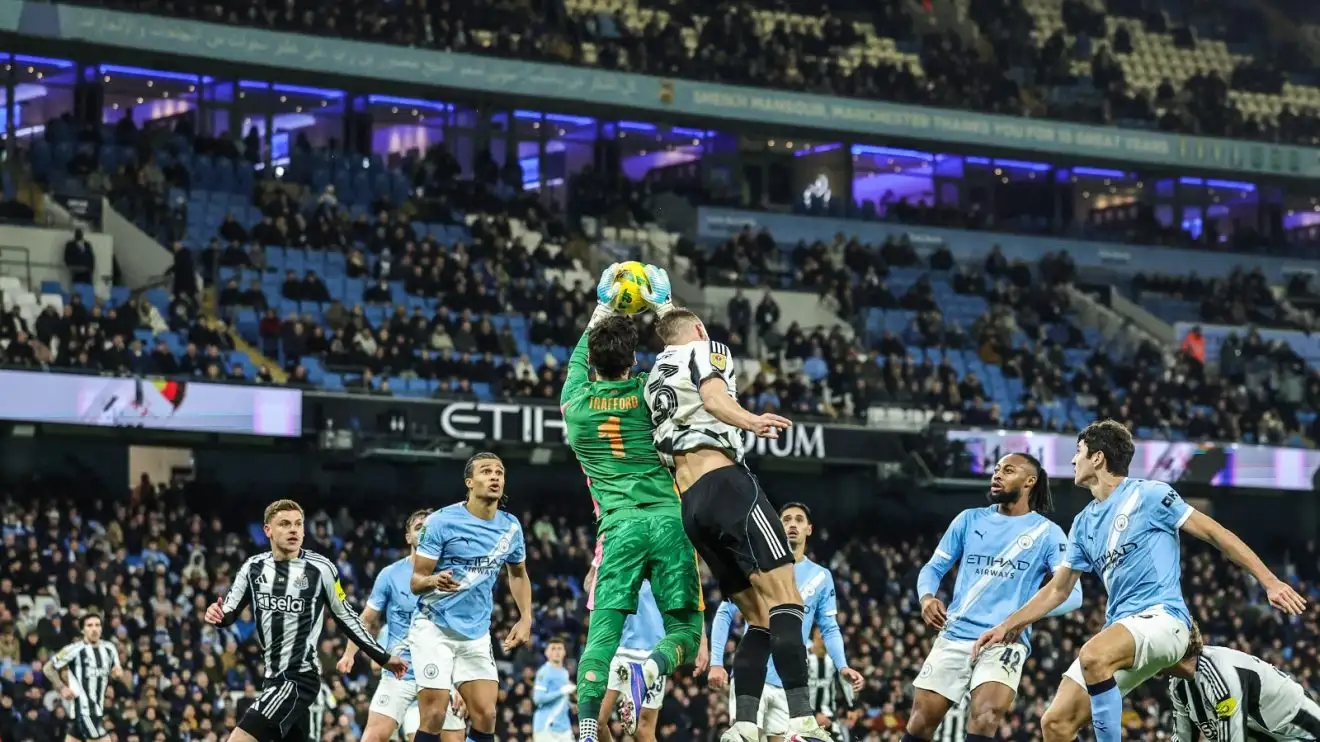
Manchester City face 115 charges hanging over their heads, yet somehow the narrative after Wednesday night's Carabao Cup semi-final focused on something far more trivial: the number of empty seats at the Etihad.
The hosts progressed to the final with an attendance of 41,843, which included 5,359 Newcastle supporters. That left just over 10,000 vacant spots scattered around the stadium on a bitterly cold midweek evening—hardly surprising circumstances for a match that had already been decided.
The first-leg scoreline of 2-0 to City over Newcastle, who were enduring a torrid run of form, essentially rendered Wednesday's proceedings academic. When City extended their advantage to 3-0 inside seven minutes and stretched further ahead by five after 30 minutes, the outcome had never been in genuine doubt. For supporters weighing up whether to part with hard-earned cash, skipping a foregone conclusion was hardly an unreasonable calculation.
Rival supporters have long enjoyed pointing and laughing at City's occasional inability to fill the Etihad, but the context makes such mockery increasingly hollow. The Champions League meeting with Galatasaray the previous week told a similar story, while the club's website currently advertises nearly 5,000 tickets remaining for next Wednesday's Premier League fixture against Fulham. Across the entire season, the only other occasion when occupancy dipped below 95% was for Brentford's midweek visit before Christmas.
The real issue isn't City's supporter base—it's the economics of modern football. Around 80% of available Fulham tickets are priced above £50 for adults. For a parent and two children, entry alone costs £100. Factor in travel and refreshments, and a family outing reaches £150. That's not a Manchester City problem; it's an industry-wide plague afflicting every elite club.
Yet City's situation differs from their rivals in one crucial respect: their supporter base lacks the depth of reserves to absorb the impact when fans make sensible financial decisions. United were discounting tickets for their pre-Christmas Bournemouth clash, while Tottenham's Champions League meeting with Dortmund fell well short of capacity. These occurrences shouldn't invite derision—they should provoke questions about pricing structures.
The clubs insist prices reflect demand. If demand falls, perhaps—in a moment of naive optimism—prices might follow. Of course, they won't. Partly that reflects supporter loyalty, but also because many institutions have calculated that core fans will keep paying regardless.
This miscalculation becomes apparent when examining season ticket trends. Despite plans to expand capacity to 60,000, City are selling fewer season tickets than they did six years ago. Those they do sell come with increasingly restrictive conditions. The days of passing a season ticket to a mate are gone; clubs now demand tickets back, preferring to resell them at higher margins, ideally bundled with hospitality packages.
Once inside the stadium, the match-day experience often justifies the decision to stay home. Queues remain lengthy, concourses are frequently dingy and decaying, and a pint of dubious quality costs £7. The much-touted Premier League atmosphere is evaporating as premium-paying day-trippers replace the core support that once generated genuine theatre.
Then there's VAR. The Premier League's chief football officer acknowledged in 2024 that the in-stadium experience is inadequate—worse than what viewers halfway around the world observe on television. Two years on, nothing has changed.
Perhaps those City supporters who stayed away on Wednesday possessed more sense than those who attended. And for those clubs boasting of consecutive sell-outs, the uncomfortable truth awaits: the crowds keeping those records alive are increasingly unrecognisable from those who once made attending matches a treasured tradition.
Compare options