Spurs in Freefall: How Tottenham's New Regime Has Left Fans Yearning for Levy's Steady Hand
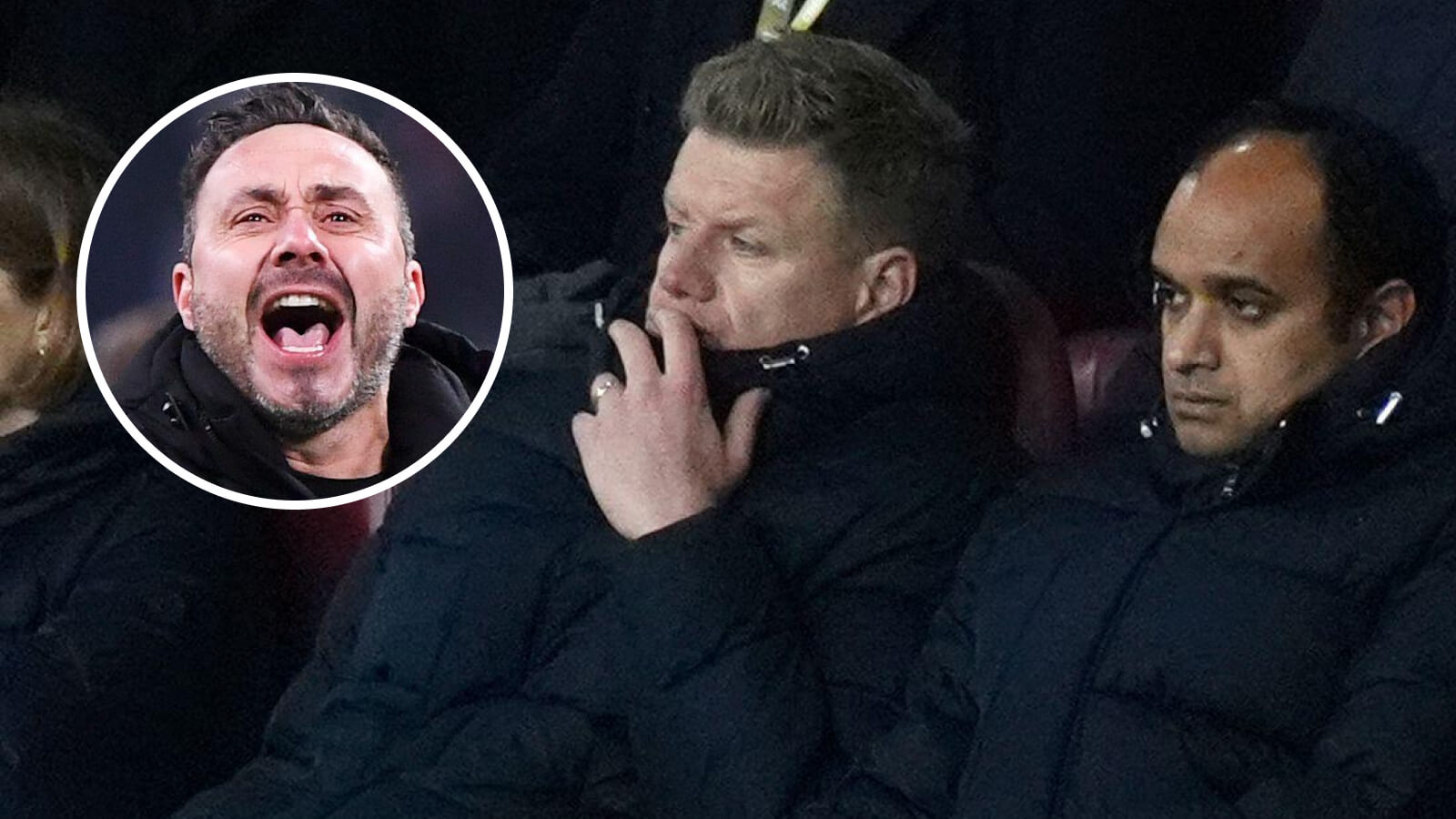
The speed of Tottenham's descent from glory to potential ruin demands explanation. Less than a year after lifting the Europa League trophy and staging an open-top bus parade through north London, Spurs have contrived to become a relegation-battling rabble. The question haunting every corner of the Tottenham fanbase is simple: how did we get here?
Twelve months ago, the place was united. Ange Postecoglou had delivered the silverware that eluded the club for nearly two decades. The football was thrilling, the atmosphere electric, and supporters finally dared believe the curse was broken. Then came the decisions—a cascade of them—each one seemingly more bewildering than the last.
The Levy Paradox
Daniel Levy's departure after two decades at the helm was supposed to herald a new dawn. The outgoing chairman had earned his share of criticism over the years for penny-pinching and caution, yet his stewardship transformed Spurs from mid-table nonentities into genuine top-six contenders. The club boasted world-class facilities, a state-of-the-art stadium, and at various points employed talents like Kane, Son, and Bale. For all his faults, Levy had built something substantial.
His replacement? The children and in-laws of 88-year-old American billionaire Joe Lewis, whose expertise lies in real estate rather than football. They inherited the ninth-richest club in world football and managed to torpedo it within months.
The Architects of Chaos
Johan Lange arrived as Football Director following a Villa stint that accelerated their slide towards relegation—a slide only reversed when Unai Emery took over. Meanwhile, CEO Vinai Venkatesham, previously of Arsenal, has presided over a managerial carousel that would make anyone's head spin.
The catalogue of errors reads like a masterclass in mismanagement: Sticking with Thomas Frank far too long despite capitulations to Arsenal and Chelsea in December, and a humbling home defeat to West Ham in January. Appointing Igor Tudor to a sinking ship when the team desperately needed confidence and positivity rather than sergeant-major barking. And now, the pièce de résistance: Roberto De Zerbi on a five-year contract.
The De Zerbi Gamble
Here lies the crux of the despair. Tottenham's hierarchy, apparently bereft of ideas and drowning in panic, have handed a blank cheque to one of Europe's most temperamental coaches. De Zerbi is demanding £10-15 million annually—second only to Pep Guardiola—for a five-year commitment despite never managing more than 91 games at any single club.
The irony is scathing. Spurs needed someone to restore morale, someone the squad knew and respected, someone capable of lifting the collective mood. Instead, they've recruited a volatile operator famous for falling out with virtually every team he's managed. It's not tactical nous Spurs require at this juncture—it's good vibes and a reason to believe.
A Club in Freefall
What makes this particularly galling for supporters is the knowledge that an alternative existed. Ange Postecoglou, the man who delivered the trophy and restored belief, remains available. He knows the club, commands the players' respect, and understands what Tottenham needs. Yet the new regime appears incapable of making sensible decisions.
The mismanagement on display will be dissected for years to come—a cautionary tale of what happens when football expertise gives way to property development instincts and corporate fumbling. Spurs supporters can only watch, bewildered, as their club lurches from one self-inflicted wound to the next.
Compare options