Southgate Emerges as United's Spiritual Saviour While INEOS Chaos Claims Amorim
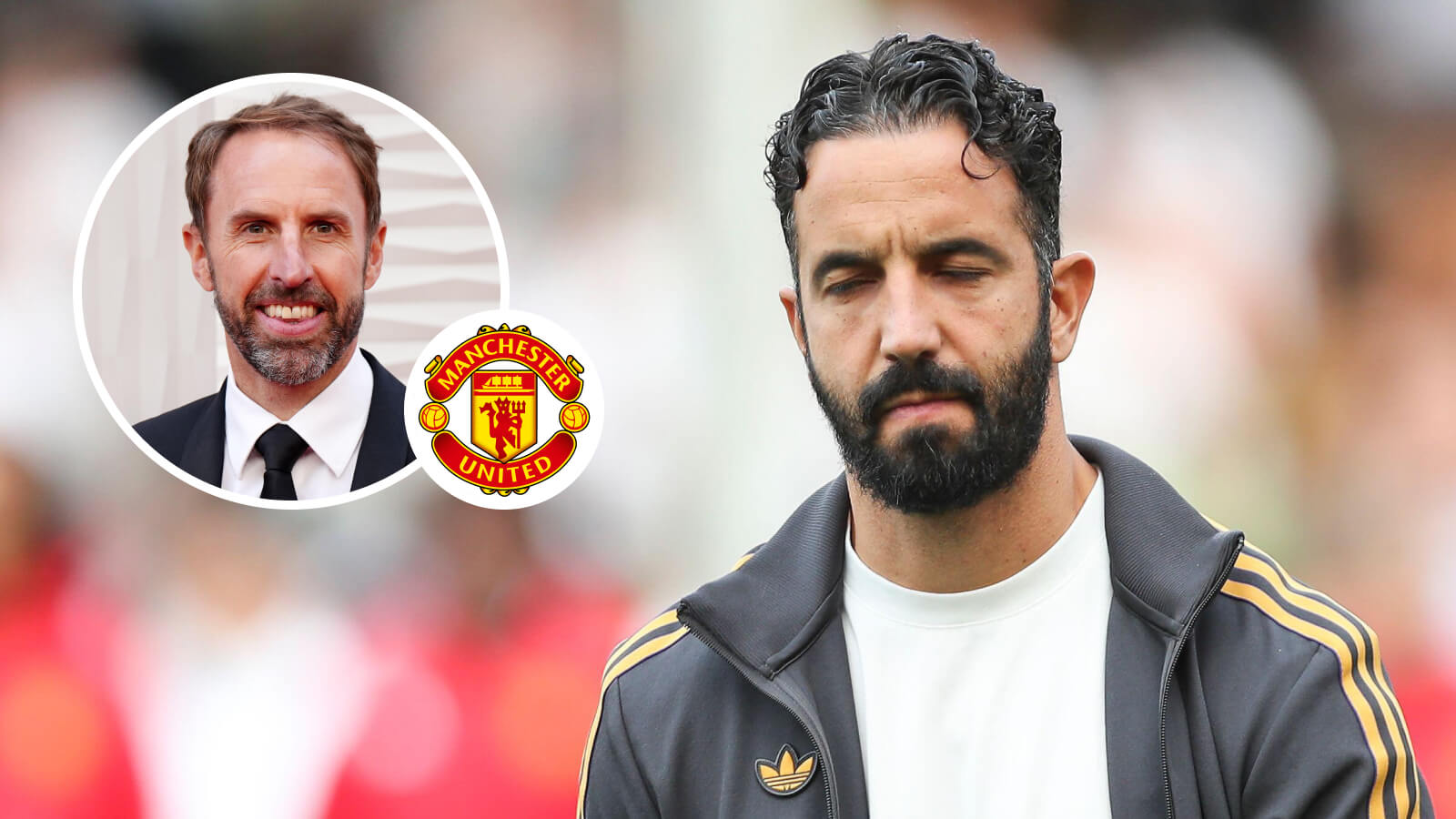
Manchester United's managerial carousel has claimed yet another victim, but the real story lies not in the firing itself—it's the spiritual bankruptcy that prompted it.
The sacking of Ruben Amorim has sparked fierce debate among supporters about what United truly needs. One correspondent argues the club requires something far more mystical than tactical nous: a messianic figure capable of lifting a curse that has plagued Old Trafford since Sir Alex Ferguson's departure.
The evidence is damning. David Moyes couldn't replicate his Everton form. José Mourinho vanished from the elite. Louis van Gaal was essentially retired by the job. Ole Gunnar Solskjaer no longer manages. Even Erik ten Hag's attempted resurrection at Bayer Leverkusen became "the most embarrassing attempt at a rebound job in history." Players suffer similarly—Jadon Sancho's career stalled upon arrival, while Bruno Fernandes pushes the boulder uphill eternally only to watch it roll back down.
Only one figure on the current market has performed the seemingly impossible: Gareth Southgate brought England to a major final after decades of wilderness wandering and shattered the penalty shootout curse that had guaranteed their exit from tournaments. Perhaps, one Dublin-based correspondent suggests, Southgate could perform the spiritual cleansing United requires before handing the club to a manager ready to build on genuinely fresh foundations.
The Corporate Dysfunction Behind the Scenes
Yet the real catastrophe runs deeper than tactical mismatches. The Amorim sacking illuminates the total absurdity of INEOS's corporate approach to football management.
Amorim was transparent from the outset. He articulated his system and identity with clarity. Hiring a specialist then expressing surprise when he implements exactly what his CV promised represents fundamental incompetence. The tragedy is institutional self-preservation masquerading as football thinking.
Christopher Vivell and Jason Wilcox spent months constructing a narrative shield. They briefed about "predictable" tactics, engineering a win-win scenario: if Amorim failed, they'd claim prescience; if he adapted and failed, they'd blame his inability to transition. When Marco Silva articulated a clinical tactical plan against United's 3-4-3 formation in August, the corporate apparatus at Old Trafford seized on this to label the manager "predictable."
Yet Vivell's admission that he purchased players for a "modern dynamic system" at odds with what Amorim employed reveals the depth of corporate overreach. Office executives convinced they understand every specialist role better than the professionals they hired.
United chases a 4-3-3template that isn't even contemporary anymore—it's rebranded 2019 thinking while elite clubs have evolved toward positional fluidity. Manchester City, Real Madrid, and Bayer Leverkusen operate through movement and rotation; centre-backs step into midfield, wingers become interior tens, creating overloads through unmarked positioning. United remains obsessed with rigid lines and fixed formations.
The executives ignored the red flags Liverpool identified because they wanted a system manager, then spent months dismantling the very elements that made him successful. Another manager consumed by a club where corporate narratives matter more than football.
The Broader Managerial Mess
Some supporters defend Amorim, arguing he merited more time. One Worthing correspondent counters that he was lucky to last as long as he did. Recent form has been genuinely dreadful—narrow, fortunate victories against Newcastle and Liverpool (themselves inconsistent), and a psychological torture-session against ten-man Everton where United created virtually nothing across eighty minutes. After fourteen months, no discernible improvement trajectory existed. Seventeen points from the summit, seventeen from the drop zone. Nobody demands a title challenge, but "meh" hardly justifies the investment.
Another correspondent insists the decision was premature, highlighting that United sat only three points adrift of the top four while playing "the best attacking football in years" statistically. A single summer transfer window, victories against Liverpool, Chelsea, and City last season—these suggested potential. Poor timing, driven by ignorance and nostalgia for 1990s dominance.
Yet perhaps the most balanced assessment acknowledges that while Amorim should have adapted better tactically—particularly regarding in-game changes and formation flexibility—the club's injury crisis (eight key players unavailable) created untenable circumstances. The fundamental issue: now isn't the time for managerial upheaval, especially after last season's mid-season chaos. Backing the manager with returning players might have proven wiser.
Liverpool's Structural Failings
The dysfunction extends beyond Manchester. Liverpool's recent struggles reveal how executive decisions strangle managers. Arne Slot has been "hamstrung by decisions made above him," particularly Richard Hughes's transfer strategy.
Luis Díaz's sale without adequate replacement removed Liverpool's direct, pacey outlet. Gakpo cannot replicate that role. Jota's loss, Harvey Elliott's departure, and Nunez's limitations created a perfect storm. Four attacking departures met with two stylistically different arrivals. Mohamed Salah's unexpected decline completed the disaster.
The legendary Mané-Firmino-Salah trident represented a generational force. Building a squad without understanding this dynamic, then expecting the manager to conjure magic, represents executive negligence. Hughes, like Wilcox and United's five sporting directors at Chelsea, makes sales and signings yet shields themselves from accountability when coaching becomes impossible.
Tottenham's Identity Crisis
Spurs supporters grapple with an uncomfortable truth: they should have retained Ange Postecoglou.
Thomas Frank seemed the logical choice—sensible, adaptable, capable of tightening defence and appreciating set pieces. Yet Spurs now sit one position worse than last year with no Europa League salvation. Frank hasn't demonstrated the foundation upon which patience can build.
Postecoglou's departure cost Tottenham something intangible but essential: belief. Yes, "Angeball" descended into chaos frequently. Yet when operational, it was glorious. Players like Micky van de Ven testified to the self-belief Ange instilled. Spurs became winners for the first time in twenty years.
Frank appears capable but uninspiring. Those Spurs players lack identity, drifting between dull 1-1 draws without direction. Under Ange, even during dark periods, sufficient brightness suggested a possible future. Now? Rudderless.
Belief matters more than formations. Arsenal's transformation under Mikel Arteta proves this—changing culture to think as winners supersedes tactical sophistication. Spurs abandoned that mentality when they chose the sensible option over the visionary one.
Compare options