Amorim's Nightmare Deepens as Frustrated Reds Demand Change; Chelsea's Board Blunders Continue
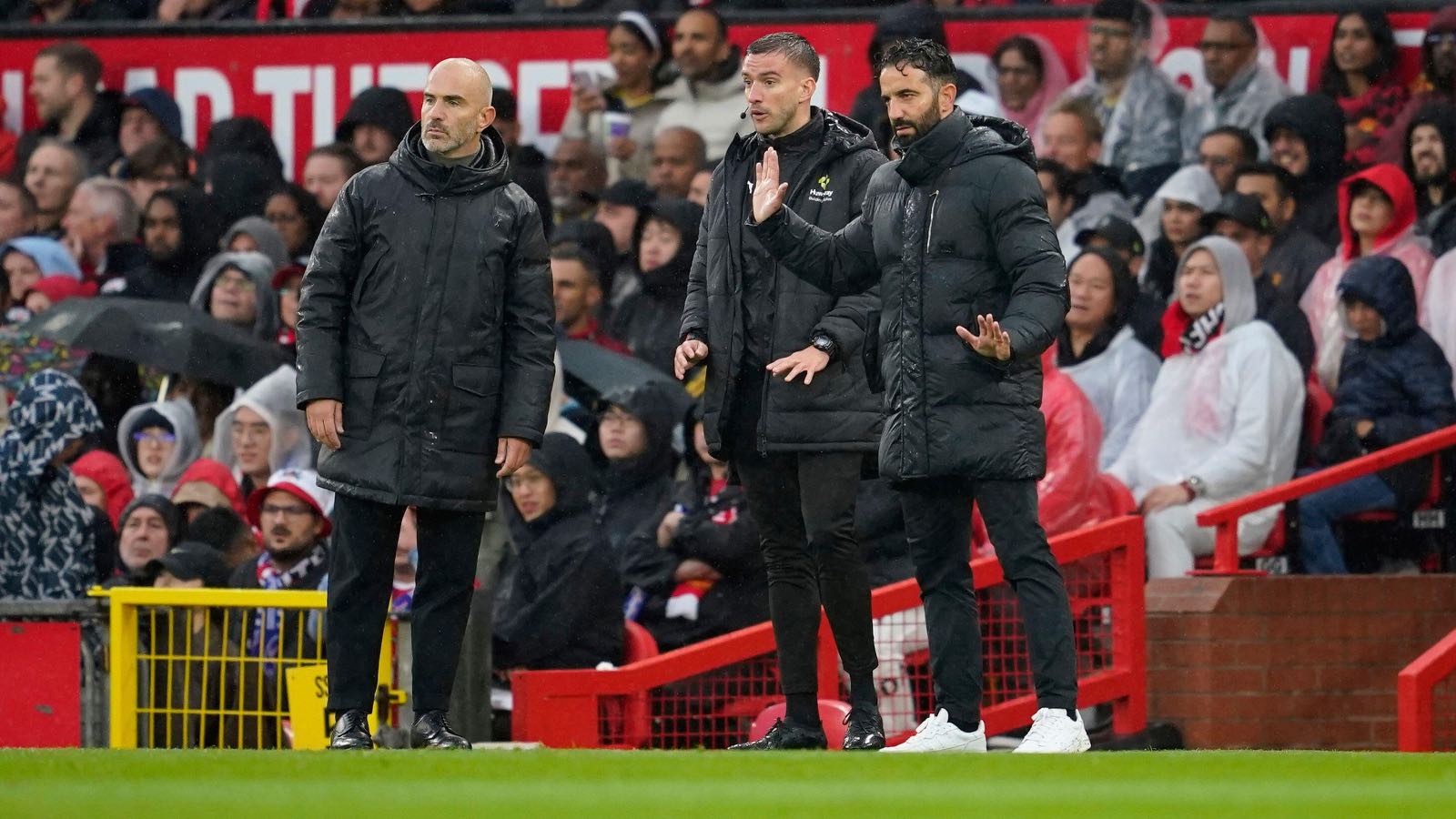
Manchester United's Amorim Crisis Reaches Boiling Point
The patience of the Old Trafford faithful has finally snapped. One exasperated supporter has laid bare the scale of Ruben Amorim's managerial collapse, declaring him the worst boss to grace Manchester United in four decades—and the numbers back up the fury.
Since 2013, United have endured plenty of lean spells, yet they'd never finished below eighth or completely surrendered in cup competitions. Under Amorim, even a miraculous 14-game winning streak wouldn't elevate him above David Moyes' record at the club. That's not just poor; it's historically abysmal.
The tactical stubbornness is equally maddening. Amorim has clung to his 3-5-2 formation like a man drowning, preferring defeats to the flexibility of switching to four at the back—something he's admitted in his own words. Losses to Grimsby and a draw with Wolves in the same season? One supporter calls it a "sackable offence 10 out of 10 times."
After 60-plus matches in charge, Amorim himself has confessed that 75% of his decisions were wrong. The formation is ineffective, his man management is questionable, and his tactical nous appears entirely absent. He's using United as a learning experience on the job, burning through time, effort, and money in the process.
The frustration runs deep because supporters want him to succeed. They want the club to succeed. But he looks hopelessly out of his depth—so much so that one writer reckons 90% of the fanbase, including regular mailbox contributor Stewie, would manage the club better. ChatGPT gets a mention too.
The core issue? A weak, fragile, and utterly clueless approach. He needs to transform everything about himself—his tactics, mindset, knowledge, and attitude—just to have a fighting chance. Right now, he's an embarrassment to the club and football itself.
Chelsea's Board Repeats the Maresca Mistakes
While United wrestle with their managerial nightmare, Chelsea's hierarchy continues its own comedy of errors. The club sacked Enzo Maresca, but one frustrated supporter argues they got the reason wrong and are now poised to repeat the same blunder.
Maresca deserved the sack for his insipid performances and stifled football, yes. But the real issue was that his head had been turned. David Ornstein reported that back in October, Maresca was already discussing the Manchester City job with the board. He went through a second round of negotiations in December. A manager that distracted cannot possibly deliver—yet Chelsea appear ready to replace one project manager with another.
Enter Liam Rosenior. He could become a fine manager, but he's not the answer Chelsea needs right now. Under the current ownership structure, if Rosenior struggles, he's gone by season's end. If he performs decently, he gets 18 months maximum. That's not a recipe for building anything sustainable.
Chelsea require an experienced, disciplined manager capable of guiding a young squad through turbulence. The alternatives exist—Xavi, Folioli, Ireola, Glasner—but the club won't pursue them. Why? Because the decision-makers are, in one supporter's blunt assessment, "incompetent morons."
The real villain here isn't Maresca, it's the ownership. Egbahli, Winstanley, and Laurence have driven the club into chaos over the past 18 months. While they remain in charge, Chelsea will continue to regress. The fanbase is becoming increasingly disconnected and apathetic—perhaps exactly what the ownership wants.
Other Voices from the Mailbox
Maresca's Record Under Scrutiny
One Chelsea fan has mounted a data-driven defence of Maresca's sacking, pointing out he received 18 months—making him the tenth longest-serving Premier League manager when he departed. He was backed in the transfer market, getting the academy products he requested and young talent capable of world-class development. His inability to coach a defence or improve individuals was the real failure. His greatest achievement? Fewer mistakes from Robert Sanchez and Reece James staying fit. That's hardly the stuff of championship-winning management.
The rotation argument doesn't hold water either. Chelsea have used 25 different Premier League players this season—the same as Manchester United, Wolves, Brighton, and Sunderland. Yet they've made the most changes to their starting XI. His refusal to establish consistency ultimately undermined the entire campaign. The Club World Cup triumph proved he could win when fielding a settled team, but that consistency evaporated when it mattered most in the league.
City's Efficiency Against Sunderland
One supporter questions whether Pep Guardiola truly deserves the "too timid" tag after Manchester City managed only four shots on target against Sunderland, while Arsenal fired off nearly double that against the same opponents. Perhaps Sunderland, a respectable home outfit, simply deserved their league position rather than being dismissed as pushovers.
Tottenham's New Direction
Another correspondent takes issue with narrative-driven coverage of Spurs' sale of Brennan Johnson, arguing that while the move was significant, the portrayal of "The Lewis Family" as a monolithic entity misses the mark. Joe Lewis's children view things differently from their father, hence the departures of Daniel Levy and Donna Cullen. New leadership at CEO and chairman level represents genuine change, not mere cosmetic reshuffling.
The AI Conundrum
One fantasy football enthusiast raises an intriguing question: are Premier League clubs genuinely using AI to select teams? Their own experiments with Python-based selection tools have produced mixed results—sometimes reasonable, sometimes bewildering. With only 38 games per season and constant squad turnover, the data set may be too small for algorithms to outperform human judgment consistently. It makes you wonder whether Chelsea's seemingly erratic team selections under Maresca might have had an algorithmic hand in them.
VAR and PGMOL Accountability
Finally, one correspondent highlights the cosmetic nature of recent refereeing review initiatives. While the KMI purports to evaluate major decisions, there's little transparency into how findings translate into actual process improvements. The data tells a damning story: Newcastle benefited from VAR decisions to the tune of +9 over the season, while Bournemouth suffered a -9 deficit. Decisions clearly don't even out over a 38-game campaign, and the PGMOL's repeated apologies to Bournemouth for errors prove it.
Compare options