Arsenal's Capitulation to Wolves Signals Title Hopes Slipping Away as Supporter Patience with Arteta Wears Thin
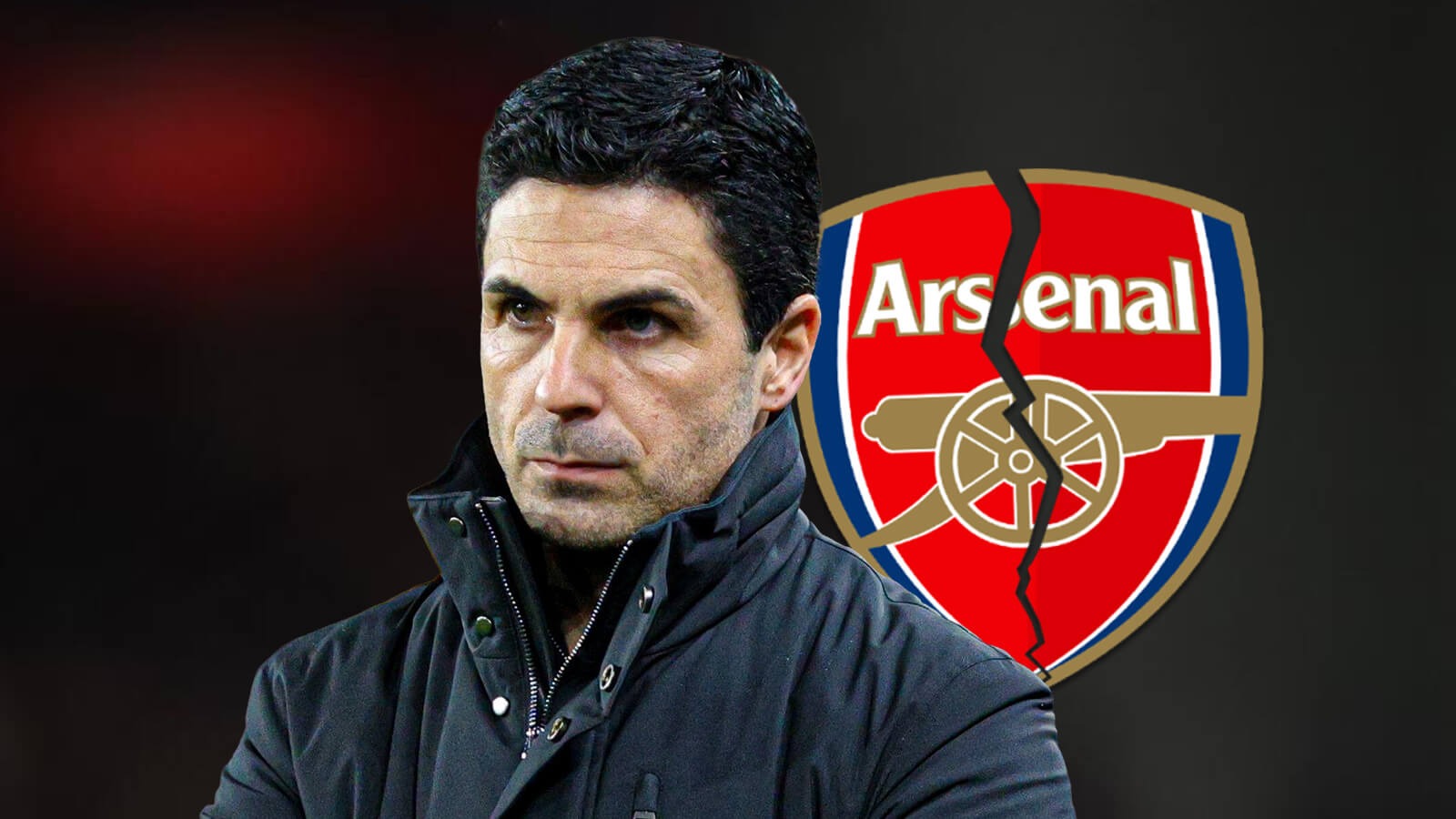
The draw with Wolves—statistically one of the worst sides in Premier League history—has crystallised the growing frustration among Arsenal's fanbase. With just 10 points from their season, Wolves represented precisely the sort of opponent a genuine title contender should dispatch without ceremony. Instead, the Gunners mustered only a stalemate, squandering a golden opportunity to maintain pressure on Manchester City.
The result arrives on the back of defeats to Manchester United and uninspiring draws against Forest and Brentford, a pattern that has left supporters questioning whether their team possesses the psychological steel required when stakes are highest. For many, it's become a familiar narrative: dominant passages interrupted by moments of inexplicable fragility.
The Arteta Conundrum
Criticism has inevitably turned toward manager Mikel Arteta, with supporters pointing to what they perceive as a fundamental lack of ruthlessness. When the Gunners boss took charge, he spoke of standards and unity, yet observers now question whether his intensity has become counterproductive—mentally draining players rather than energising them.
One supporter highlighted the contrast between Arteta's pre-match messaging and what a title-winning mentality demands. Where other elite managers project confidence and aggression against inferior opposition, Arteta's public pronouncements tend toward caution. His repeated framing of matches as "really difficult" against "really difficult opponents" sets a tone that, to some, borders on defeatist.
The manager's track record under pressure tells its own story. When Arsenal pursued a top-four finish in 2023, similar messaging preceded a collapse. Now, facing title pressure rather than a top-four scrap, Arteta employs identical language and emotional optimism, yet remains conspicuously lacking in the cold-blooded edge that separates champions from contenders.
A Culture of Comfort Over Competition
Beyond tactical considerations, supporters identify a deeper cultural issue. Arteta's philosophy of unconditional backing, while admirable in principle, may foster softness rather than resilience at elite level. His unwavering faith in Gabriel Jesus despite repeated hesitancy in front of goal mirrors his own perceived shortcomings—technically proficient but lacking killer instinct when moments demand it.
The academy structure under Per Mertesacker symbolises a broader Arsenal struggle: the club excels at development but falters under pressure. When elite rivals aggressively upgrade their squads, Arsenal hesitate and hope—a formula that rarely produces titles.
Compare this to the brutal winning cultures established by managers like Sir Alex Ferguson and Jose Mourinho, where internal competition and fearlessness in big moments drove success. That edge remains absent at the Emirates.
The Numbers Don't Lie
Arsenal are currently tracking toward 81 points—a total that would have secured neither a title nor even second place in the previous decade. While Manchester City's own inconsistency keeps the race nominally alive, the Gunners have squandered their chance to seize control. They've now drawn twice against Wolves and failed to capitalise when the worst team in the division lay vulnerable.
The frustration cuts deeper because the ingredients appear to be present. The club has talent, structure, and significant financial backing—reportedly a billion pounds invested under Arteta's tenure. What remains absent, in the eyes of the support, is the psychological brutality required to convert a strong position into silverware.
A Question of Accountability
Some supporters have questioned Arteta's post-match conduct, arguing that his tendency to deflect criticism onto players undermines the leadership required at the highest level. A truly elite manager accepts public responsibility before holding individuals accountable behind closed doors—a balance that, to many observers, remains elusive.
There's also the matter of team selection, which continues to perplex large sections of the fanbase. Tactical inflexibility, coupled with personnel decisions that seem to prioritise comfort over ruthlessness, have become recurring frustrations.
The Broader Picture
One supporter noted the irony: Arsenal are a mirror image of their manager—tightly controlled, inflexible, operating within rigid parameters. Where Arteta's wardrobe remains monochrome and immaculate, his tactical approach mirrors that same uniformity. The football is technically sound but aesthetically sterile, lacking the flair and unpredictability that characterises truly great teams.
As the season enters its critical phase, the runway for Arsenal to salvage their title ambitions grows shorter. Whether Arteta possesses the capacity to evolve under pressure—to display the ruthlessness and adaptability that separates elite managers from the merely competent—remains the central question. For now, his supporters fear they already know the answer.
Another spring, another stumble. It's becoming the Arsenal way.
Compare options