Hindsight is a Luxury: Why Liverpool's Salah and Van Dijk Extensions Were the Right Calls at the Time
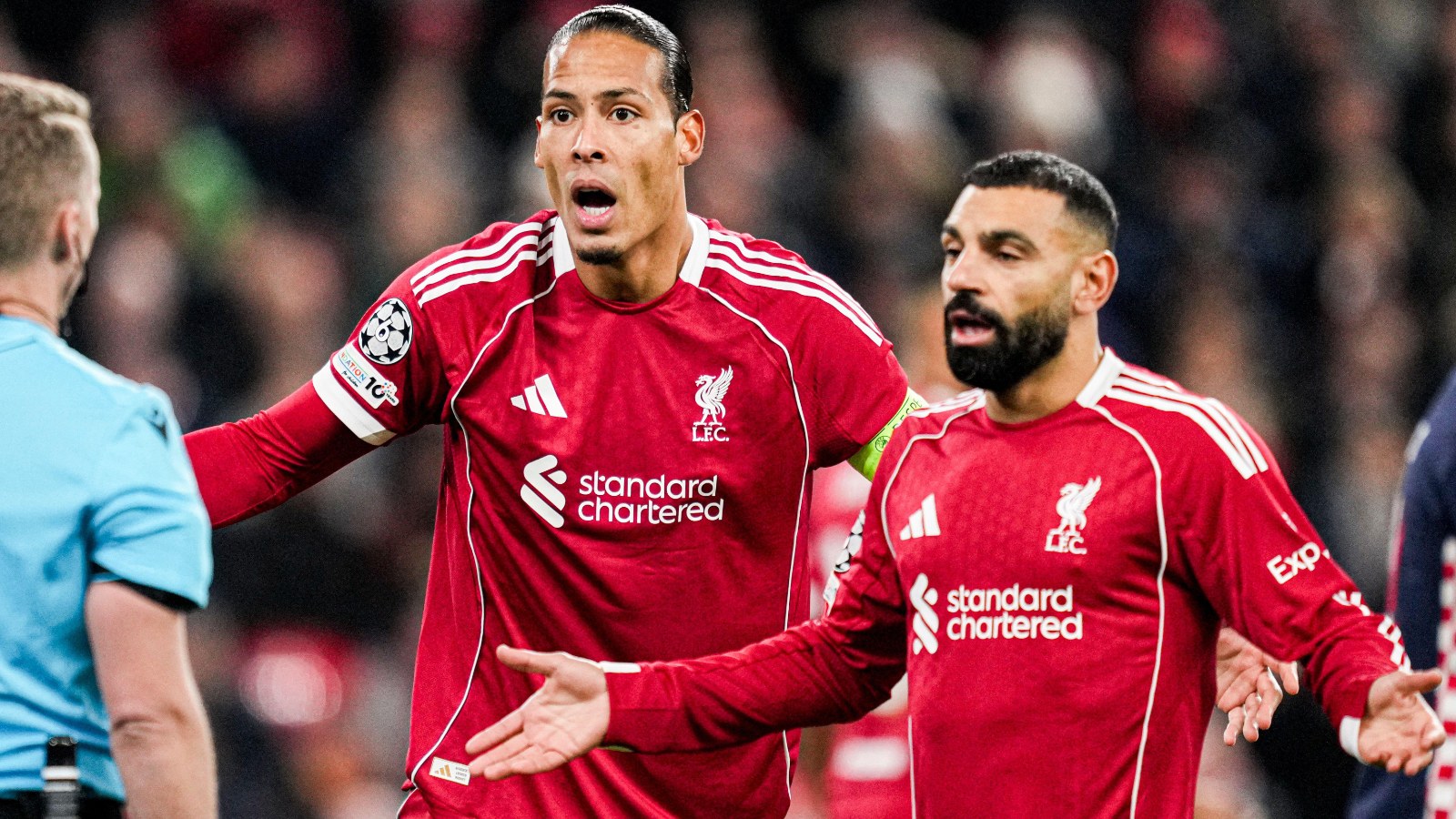
Ask yourself honestly: when Liverpool handed new deals to Mohamed Salah and Virgil van Dijk, did your alarm bells start ringing?
The Merseyside club now finds itself taking considerable stick for tying down their two marquee earners, yet this criticism conveniently ignores twelve months of hindsight being applied retroactively to what were, at the time, universally embraced decisions.
Who exactly was sounding the klaxon back then? Paul Merson raised eyebrows about handing Salah a bumper contract given his age—fair play to him for that. Beyond that, though? Crickets. Jamie Carragher certainly wasn't objecting. The former Liverpool captain's enthusiasm was palpable, calling Salah's renewal a "huge relief all round" and emphasising the positive message it sent about the club's future ambitions.
His take on Van Dijk just two months prior? The Dutchman was "too good for the highest level of football," playing with such ease that it felt like there should be another tier above the Premier League reserved for him alone. When Van Dijk followed Salah through the contract extension door a week later, Carragher's satisfaction was surely complete.
Most observers acknowledged Van Dijk's standing as the division's outstanding centre-back during Liverpool's title-winning procession. Finding a credible voice questioning either renewal would have proven difficult.
Yet here we are, with the Anfield board's judgment under the microscope. The crucial detail being overlooked: those extensions were sound judgments based on established facts at that moment.
Nobody possessed a crystal ball predicting Salah's dramatic output collapse—just five Premier League goals this term. At 32 when signing the new deal, now 33, his track record suggested otherwise. He'd featured in every top-flight fixture the previous season and averaged 36 league appearances annually across the eight campaigns before renewal. His meticulous fitness regime offered no warning signs of such a significant downturn.
The issue with Salah this season appears less about tired legs and more about what's happening between the ears. Broader problems engulfing Anfield have clearly played their part. The personnel has largely remained static while plenty has shifted around them, creating the perfect storm for Liverpool's disappointing title defence.
Arne Slot carries responsibility, though some would argue more than his fair share. The squad deserves scrutiny too. Even Dominik Szoboszlai, who might reasonably expect leniency based on his contributions, cannot escape criticism for occasional lapses in concentration.
They've simply fallen short across multiple fronts, few of which are defensible regardless of circumstances. Motivation questions inevitably surface when champions stumble, though measuring such things remains notoriously tricky. This group wouldn't be the first to ease off following success, particularly when triumph was swiftly followed by the grief of losing Diogo Jota.
Van Dijk and Salah's leadership credentials deserve examination given their failure to elevate teammates, but context matters. The renewals occurred against a backdrop of summer upheaval. Retaining the experience of Van Dijk and Salah made considerable sense when the squad was reeling emotionally.
There was another renewal Liverpool pursued unsuccessfully: Trent Alexander-Arnold's departure forced their hand elsewhere. Losing one senior figure while securing two others appeared a reasonable compromise for a club that had mismanaged their contract planning. The criticism over this miscalculation rather proves the point about Liverpool's lack of foresight on expiring deals.
Should Liverpool have simply released Salah and Van Dijk alongside Alexander-Arnold? That outcome would have been unpalatable to supporters and indefensible to any reasonable observer at the time.
The contracts weren't modest, certainly, but neither player received astronomical wage increases. Van Dijk's improvements were largely performance-based, meaning the financial impact remains manageable. Salah's demands reflected his form and standing reasonably.
Roughly £36-40 million represents this season's combined outlay. Consider what replacements would have cost. Centre-back options have proven thin even with Van Dijk on the books; his departure would have left Liverpool desperately exposed and considerably weaker across almost every metric.
Picture the alternative: Van Dijk and Salah thriving elsewhere at a major European outfit. Manchester United has made that particular error before, renewing through fear of embarrassment when players subsequently flourished elsewhere—a factor that cannot dominate contract thinking, though for FSG and company, it undoubtedly registers.
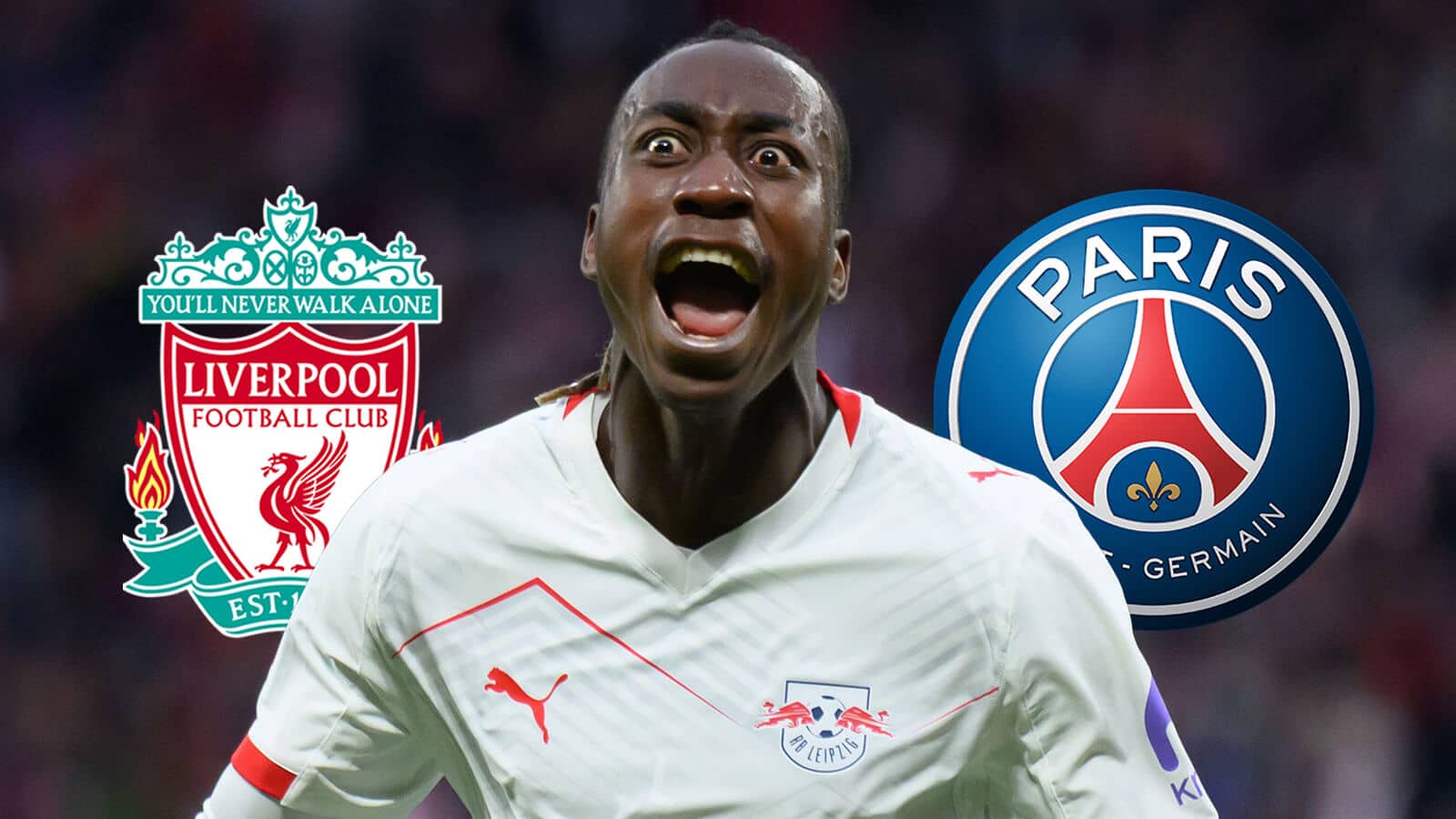
Liverpool would have faced universal condemnation had either star departed and excelled with continental rivals. Perhaps Salah could be facing the Reds tonight wearing PSG colours. Realistically, though, Slot's side wouldn't have limped this far without that pair.
One misjudgment will be corrected this summer when Salah departs—the correct decision now. Just as their renewal represented the right choice then.
Compare options