Crisis Talks at Liverpool as Slot Faces Mounting Pressure Following Bournemouth Collapse
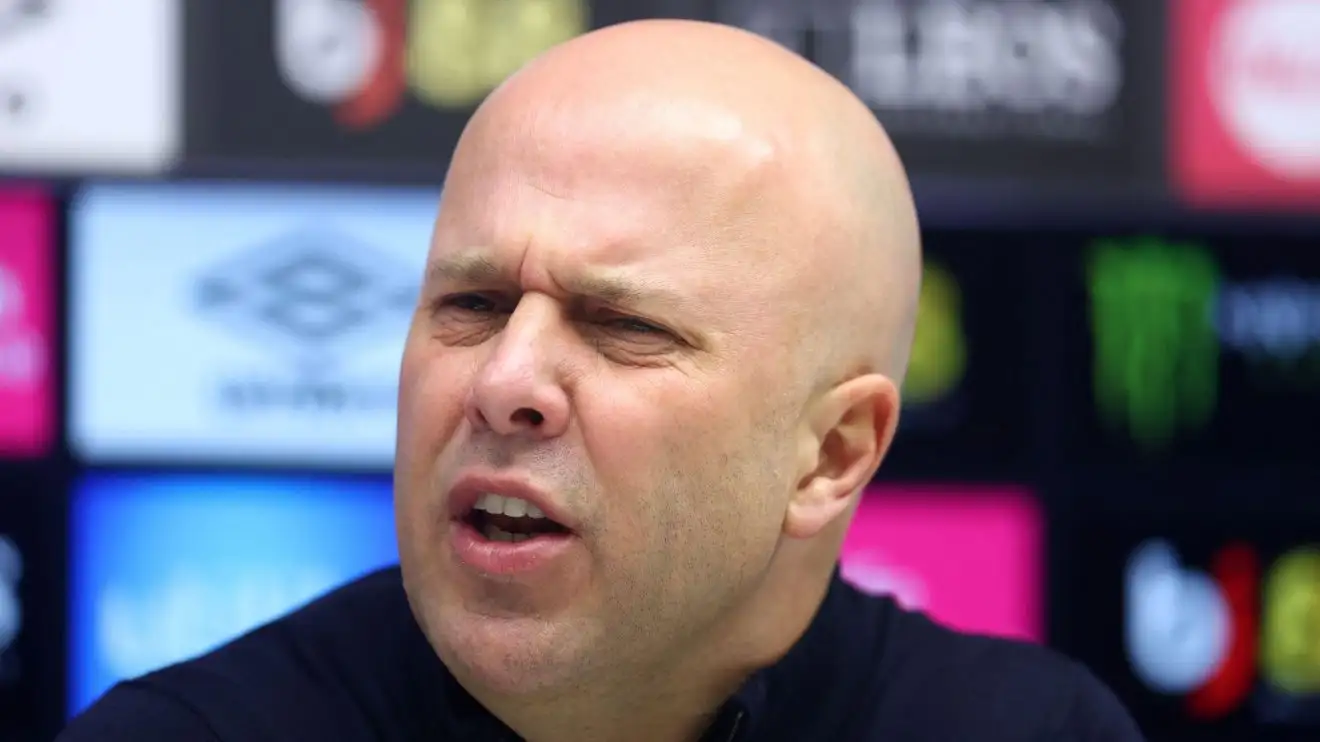
The walls are closing in at Anfield. Liverpool's latest capitulation—a gutting 3-2 loss to Bournemouth on Saturday that saw the hosts steal victory deep into injury time—has prompted urgent talks between the club's top brass about stemming the bleeding.
Michael Edwards and Richard Hughes, the key figures overseeing Liverpool's football operations, convened this morning to discuss what sources describe as a "short-term plan to stop the rot" at the club. The timing is hardly coincidental, coming in the immediate aftermath of another damaging Premier League defeat that represents the Reds' seventh of the season.
The Bournemouth match itself was a masterclass in snatching defeat from the jaws of what looked like a comeback. Evanilson and Alex Jimenez put the hosts two up inside 33 minutes, before Virgil van Dijk and Dominik Szoboszlai hauled Liverpool level after the interval. Amine Adli's fifth-minute goal in the second-half stoppage time ensured the points stayed on the south coast, leaving Liverpool fourth and winless in their last five league outings.
Slot attempted to contextualize the loss in the post-match interviews, pointing to the compressed fixture schedule. Having dispatched Marseille 3-0 in the Champions League just 48 hours earlier, his squad was understandably running on fumes. "It is a cruel game if you lose in extra time after coming back from 2-0 down at half-time," the manager reflected. "I think it was only 5-10 minutes in the first half where we didn't have total control. We played through them nicely a few times, but we conceded twice, and we went down to 10 men, so that doesn't help."
The Dutch tactician elaborated on the mental and physical toll: "It felt to me that if we were able to make up the 2-1, we would have been back in the game. We were a lot of the time in promising positions but we were 2-0 down, and it did feel to me that we were going to score and get back in the game. It is fair to say that in the last 10 minutes it was more open, but I could see that my players were tired because we only had two days in between each game."
Slot's excuses, however sympathetic, haven't insulated him from mounting pressure. The hierarchy is acutely aware that Champions League qualification cannot be taken for granted, and the recent form has triggered contingency planning at executive level.
Yet there remains a philosophical divide within the club about how to proceed. David Lynch, a journalist with longstanding sources at Liverpool, has reported that the preference remains to navigate through to the summer before making any managerial change. Mid-season upheaval carries its own complications—finding an interim manager of sufficient calibre is no straightforward task.
"They clearly, clearly want to get to the end of the season with Slot if they can," Lynch explained. "They don't want to make a mid-season managerial change because who do you get as the interim? It would clearly be better to make the managerial change in the summer."
The suggestion is that Slot's summer departure is already a foregone conclusion among the decision-makers, though the scale of any further collapse could force their hand earlier than anticipated. "If he starts to lose six, seven on the bounce again, he will get bulleted because they'll feel forced to go for an interim," Lynch added. "They don't want to change; they really would prefer not to. Then it's kind of go for a manager then in the summer."
Whether that constitutes genuine faith in Slot's ability to steady the ship or merely pragmatism about the available alternatives remains an open question. Either way, Liverpool finds itself at a crossroads, and the next few weeks will prove decisive.
Compare options