Liverpool's European Malaise Deepens: Slot's Tactical Stubbornness Leaves Reds Adrift
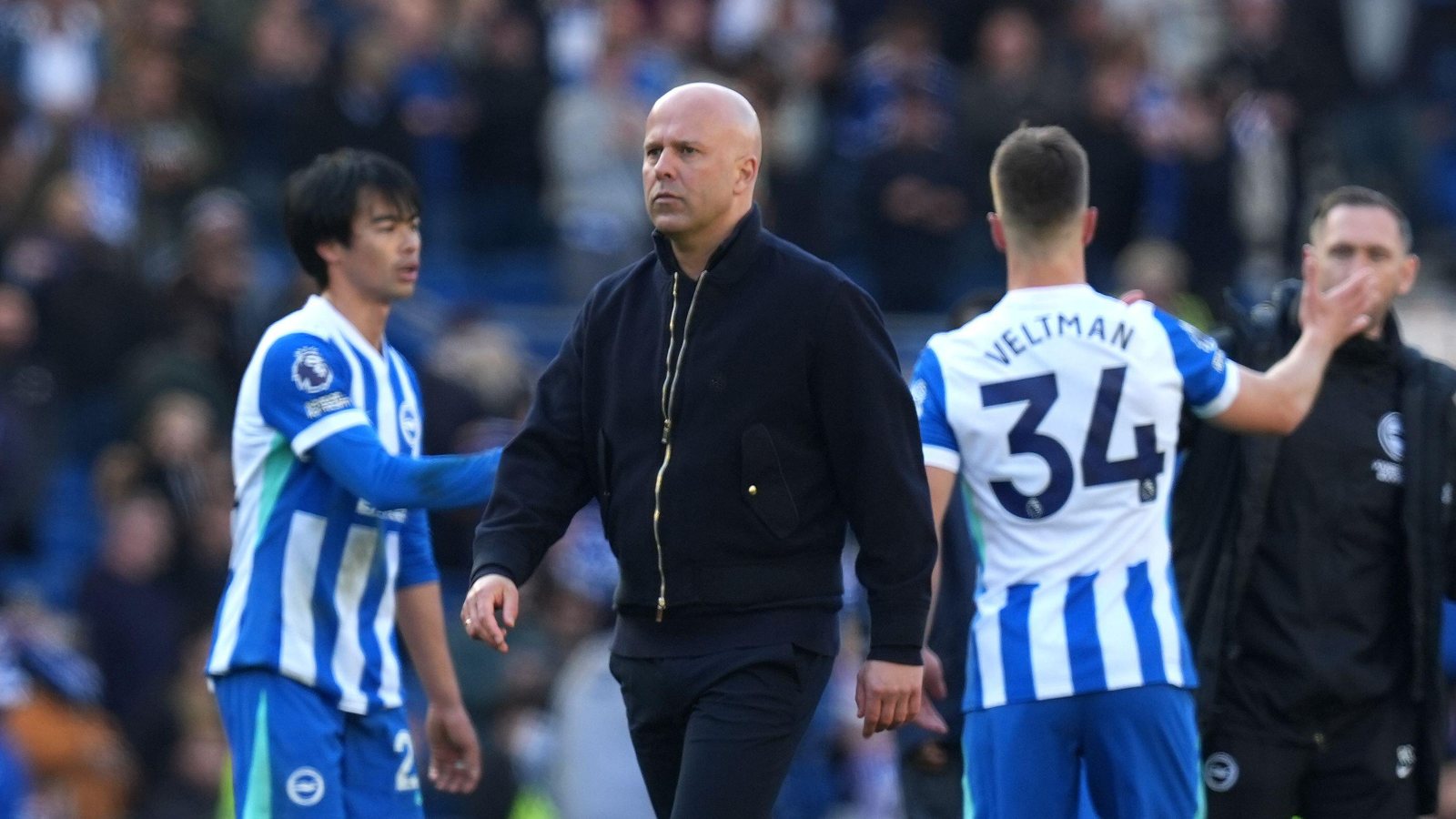
Liverpool's European troubles have become increasingly difficult to ignore, with Saturday's 2-1 loss to Brighton serving as yet another reminder of their alarming inconsistency this season. The Reds have managed just two wins in their last several outings, squandering what should have been a straightforward path to Champions League qualification in a season where Manchester City's rivals keep stumbling over themselves.
The contrast between Liverpool's continental performances and their domestic form is striking. Whilst their European displays have lacked intensity and purpose, their league form hasn't been much better—a disparity that speaks volumes about the management's approach. Turn-arounds between competitions, injury concerns, and differing midweek schedules offer some explanation, but they hardly excuse the quality of football on display.
The selection of Cody Gakpo against Brighton raised immediate eyebrows amongst supporters. Questions persist about why Arne Slot continues to overlook Ngumoha, leaving the youngster to watch from the sidelines whilst the team struggles. For a player of Ngumoha's calibre to join Liverpool only to find himself frozen out seems counterintuitive—what exactly is being protected by keeping him on the bench?
Slot's tactical approach has drawn particular criticism for its chaotic late-game strategy. After the 77th minute against Brighton, Liverpool fielded two recognised defenders alongside attacking midfielders Szoboszlai, Mac Allister, and Jones, with Gakpo, Chiesa, and Ngumoha also involved. Whilst attacking intent deserves credit, the execution resembled headless panic rather than controlled pressure. Without midfield shape or structure, Liverpool left themselves vulnerable to the very counter-attacks that ultimately proved costly.
The situation at Chelsea only compounds the misery for top-four hopefuls. Despite their expensive squad, the Blues continue to underperform, with goalkeeper issues and a fundamentally broken recruitment strategy leaving them destined for Conference League football. The irony of a club that won the Champions League just years ago now facing European football's third tier is not lost on observers.
Bournemouth's recent defensive performance against Manchester United sparked considerable debate about refereeing consistency. Whilst the home side benefited from VAR decisions, it's worth noting that Bournemouth themselves suffered a wrongly overturned goal last season in the same fixture, with United's equaliser coming in added time partly attributable to an incorrect red card. The narrative of "big club bias" requires context—previous seasons have seen smaller clubs disadvantaged by similar decisions.
Across the football landscape, concerns about American investment continue to surface. Suggestions that US ownership structures have diluted the integrity of English football meet resistance from those who point out that every sport invented in America carries its own complications. The obsession with metrics like expected goals (xG) particularly frustrates traditionalists who argue that such statistics fail to account for variables like player technique, positioning, and match conditions.
With Arsenal next up for Bournemouth and the top-four race tightening, Liverpool's window for recovery is rapidly closing. Slot's stubborn refusal to adapt his tactics or embrace tactical flexibility may ultimately cost the Reds dearly this season.
Compare options