Liverpool's Desperate Gamble: Why Iraola Appointment Screams Panic
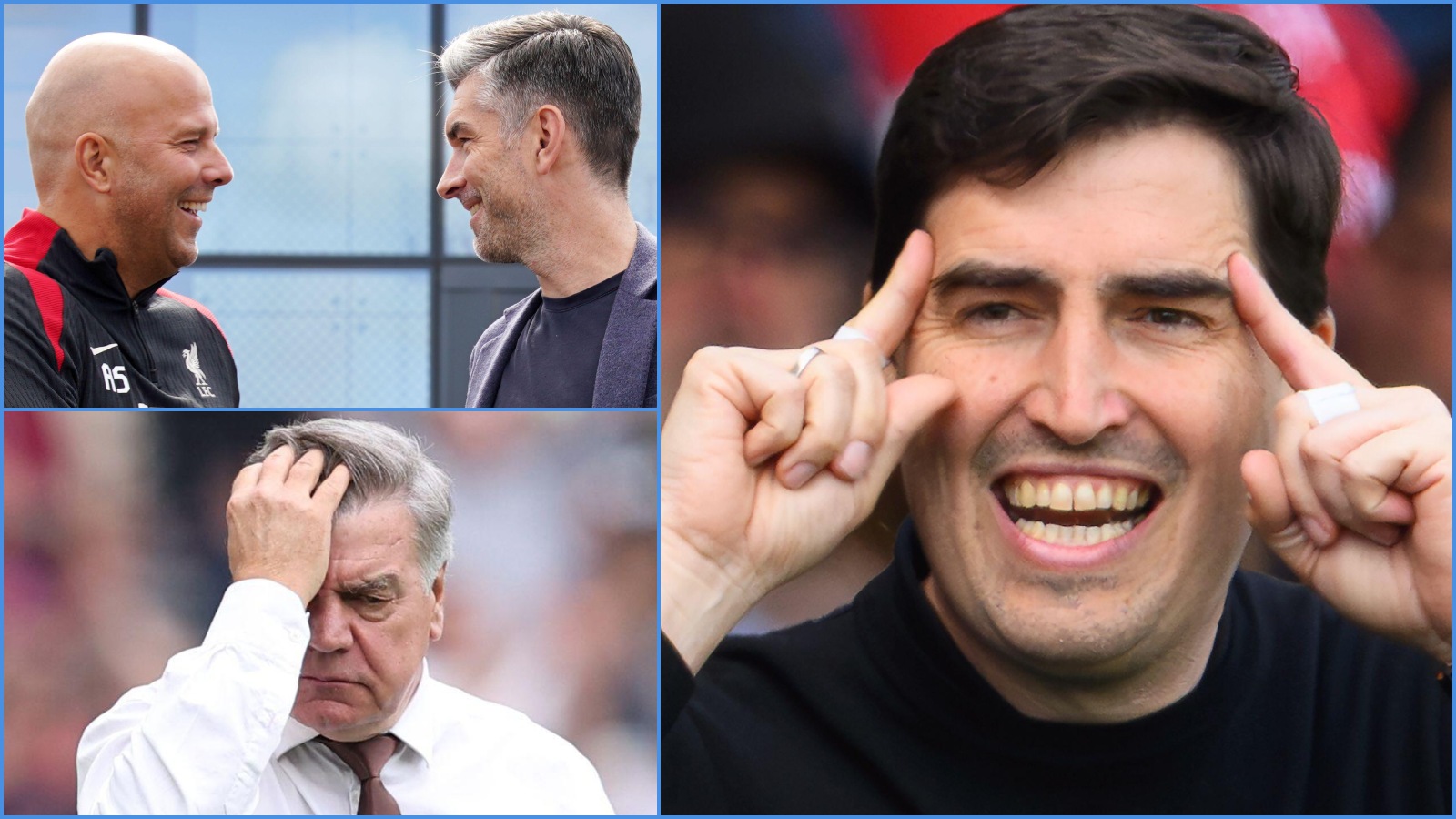
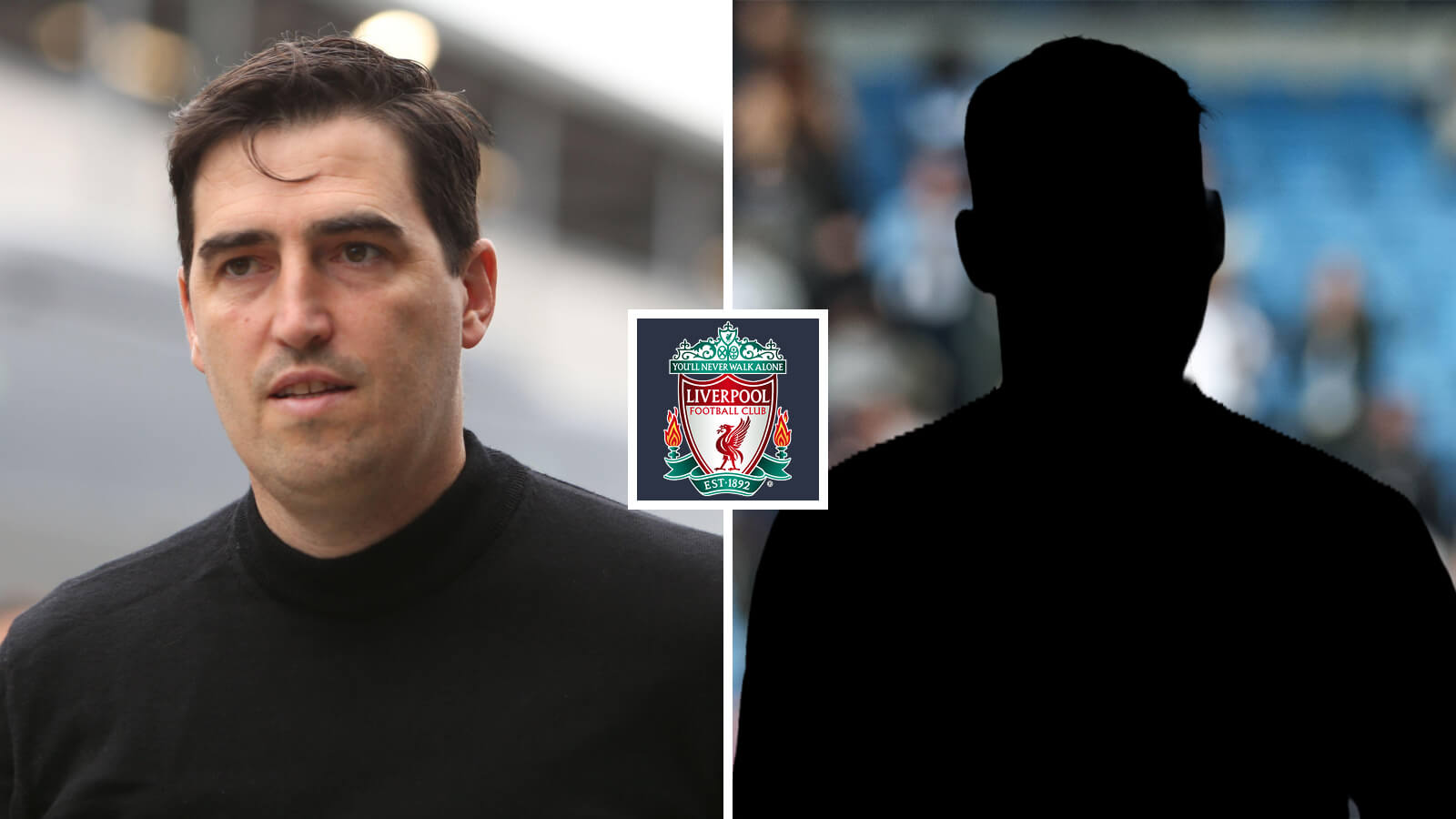
There's something deeply unsettling about watching Liverpool rifle through the same filing cabinet that Leeds opened three years ago. The Reds have now elevated Andoni Iraola from Bournemouth, and the parallels are impossible to ignore: a club in turmoil, grasping for a manager from the same shortlist that ultimately led to Sam Allardyce's relegation sprint.
The irony cuts deeper when you consider that Liverpool's previous managerial blueprint—the one that somehow netted them a Premier League title—came from a parallel universe where they were competent at transfers, knew how to plan succession properly, and actually sold players instead of clinging to them like family heirlooms.
Yet here we are. Iraola, who honoured the contract extension that Richard Hughes brokered during his time as Bournemouth technical director, now becomes Hughes' answer to a mounting crisis at Anfield. Hughes himself orchestrated Arne Slot's departure and is betting his Liverpool tenure on this appointment. There's no safety net this time; no American co-owner to share the blame if it goes pear-shaped.
When Bournemouth appointed Iraola three years ago, co-owner Bill Foley explained the thinking: the club needed to shift from counter-attacking football to something more aggressive and front-foot. They wanted "an agent of change." The language Liverpool are now using—wanting to "evolve to a more aggressive, front-foot style"—echoes that exact same blueprint. Which rather proves the point: if these tactical ideas worked so well for Bournemouth and Leeds, why does Liverpool need them now?
Iraola has spoken of preferring "a 4-4 over a 0-0," and Jürgen Klopp once praised his "organised chaos" and "offensive approach." That intensity should theoretically appeal to supporters weary of watching Slot's champions become a passive, unfocused, identity-less shambles almost immediately after what the manager called "the best game of football I have ever been involved in"—which happened to be a Champions League defeat to Paris Saint-Germain.
Yet here's where the calculation becomes genuinely risky. Shifting to high-octane, energetic football is all well and good in theory, but this Liverpool squad doesn't necessarily have the personnel or profile to sustain it. Beyond the stylistic refresh, Iraola's credentials don't naturally align with Liverpool's demands.
His work at Bournemouth has been exemplary—rebuilding after losing nearly their entire defence last summer and then coping with the mid-season departure of their best midfielder shows genuine coaching craft. But thriving at a selling club used as a stepping stone tells you precious little about how someone operates when the pressure becomes existential. Iraola has never finished higher than sixth place and will immediately be expected to compete for major honours.
This season, Bournemouth's 18-game unbeaten run took them to European football for the first time in their history. Yet that run contained just four wins in the final dozen matches and came immediately after an 11-match winless streak. Those boom-and-bust cycles seem endemic to Iraola's methods—tolerable at Bournemouth, Rayo Vallecano, or Mirandes, but potentially catastrophic at Liverpool.
His sole European venture came in 2018/19 when he guided AEK Larnaca past Dundalk, Sturm Graz, and AS Trenčín into the Europa League group stage. They went no further, domestic form suffered under the weight of competing on two fronts, and by mid-January he was gone.
Iraola himself understands the magnitude of the step. At his Bournemouth farewell, he reflected on his good fortune: "I've been so lucky. So, so lucky. I have to be thankful every day for this group of players, for this staff, for this club, for everyone that supported me—especially when we didn't start as well and probably you were thinking 'Who the f*** is this guy?'"
If he wins just one of his opening 11 games at Liverpool, there will be plenty of expletives and genuine fury, perhaps even panicked overtures to an Allardyce-type figure. No wry nostalgia three years hence.
Iraola is undoubtedly a gifted coach whose recent work has been exceptional. Sometimes these things do defy conventional wisdom. For him to manage the transition seamlessly—or even just avoid disaster—would be close to unprecedented, though not impossible.
Still, this represents a monumental gamble for Liverpool. Having appeared to move past their dynasty era, nothing quite illustrates their fall from grace like aping a Leeds team that was relegated just three years ago.
Compare options