Konate Breaks Silence on Depression and Personal Tragedies: 'Mental Health Doesn't Care How Much You Earn'
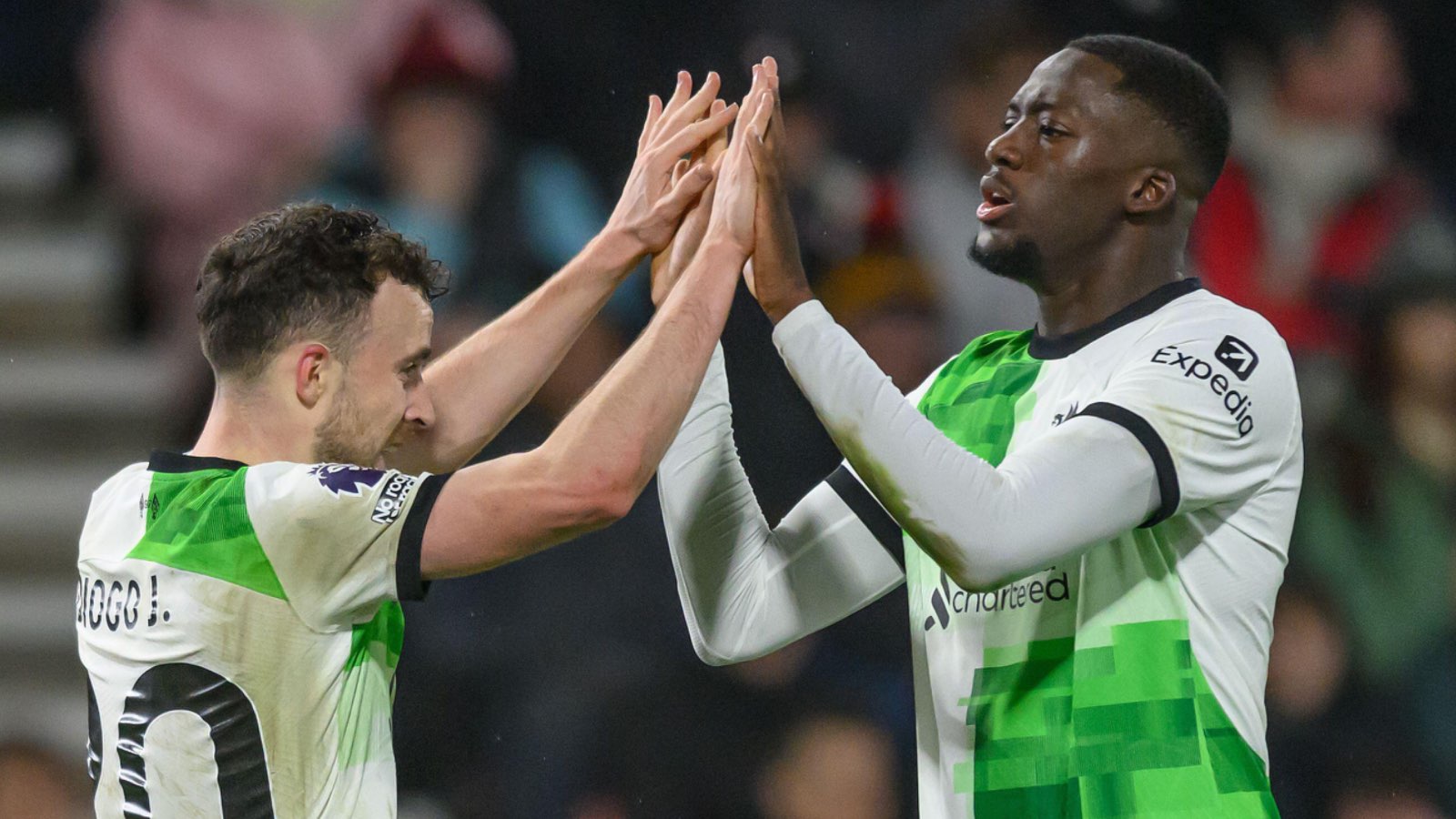
Ibrahima Konate has lifted the lid on a harrowing period that saw him grappling with depression after losing both his teammate and neighbour Diogo Jota and his father, Hamady, in devastating circumstances.
The Liverpool defender, preparing to depart for Real Madrid when his contract concludes this month, endured a torrid campaign as the Reds slumped to fifth place in their Premier League title defence. Much of the criticism levelled at the 25-year-old proved unwarranted, as he was privately battling significant personal tragedy.
Speaking to the Independent, Konate tackled the persistent misconception that footballers earning substantial wages are somehow immune to mental health crises. "That's nonsense," he stated bluntly. "Depression operates independently of your bank balance. It's something that takes root in your core, spreads through your mind, and consumes everything."
The sequence of events began with shocking brutality. Jota's fatal car crash, which also claimed the life of his brother Andre, struck just as pre-season commenced. The impact left Konate emotionally hollow.
"I was completely devastated," he explained. "Nothing else mattered to me. But you return because you're contracted to a club, because people depend on you. You push through for them and for his memory, even though moving past something like that is impossible—you simply learn to coexist with it."
Compounding this trauma, Konate's father fell gravely ill and passed away in January. The defender found himself trapped between two impossible choices: abandoning his squad when they needed him most, or continuing to perform whilst privately unravelling.
"I was lost," Konate admitted. "I didn't know whether to leave football entirely or stay. I kept everything bottled up, which was a mistake. I wish I'd spoken to someone."
The relentless nature of these successive blows meant there was never genuine respite. Just as Konate felt himself gaining some equilibrium, another catastrophe would strike. He eventually found the resilience to carry on, partly through an awareness that his father would have expected nothing less, and partly because his teammates required his presence on the pitch.
His message to others struggling is unambiguous: seek support rather than suffering alone. The stigma surrounding mental health in football remains pervasive, but Konate's willingness to speak openly represents a significant step towards normalising these conversations within the sport.
Compare options