Can Iraola Fill Klopp's Boots? Liverpool's Squad Screams "Not Without Major Surgery"
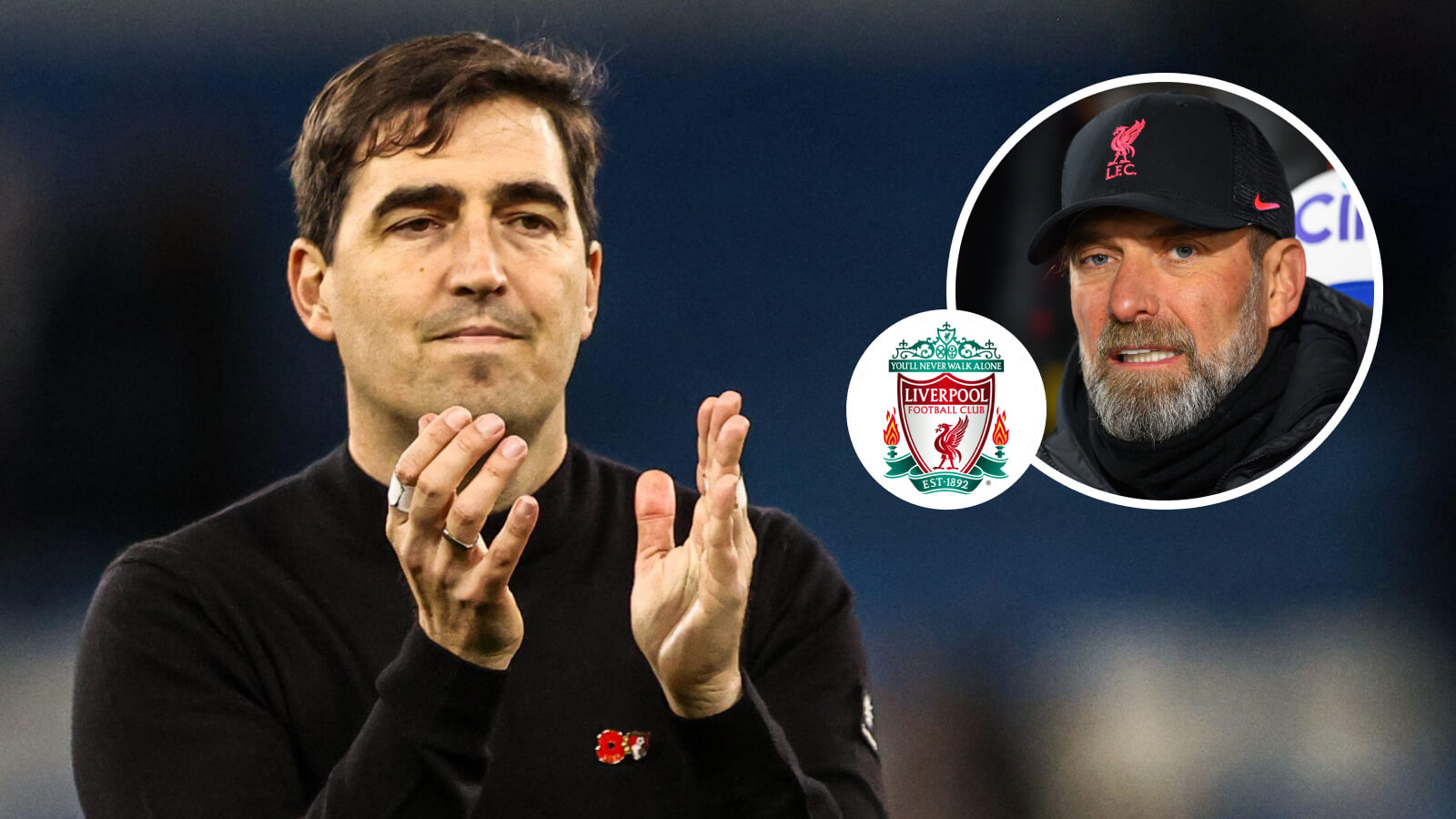
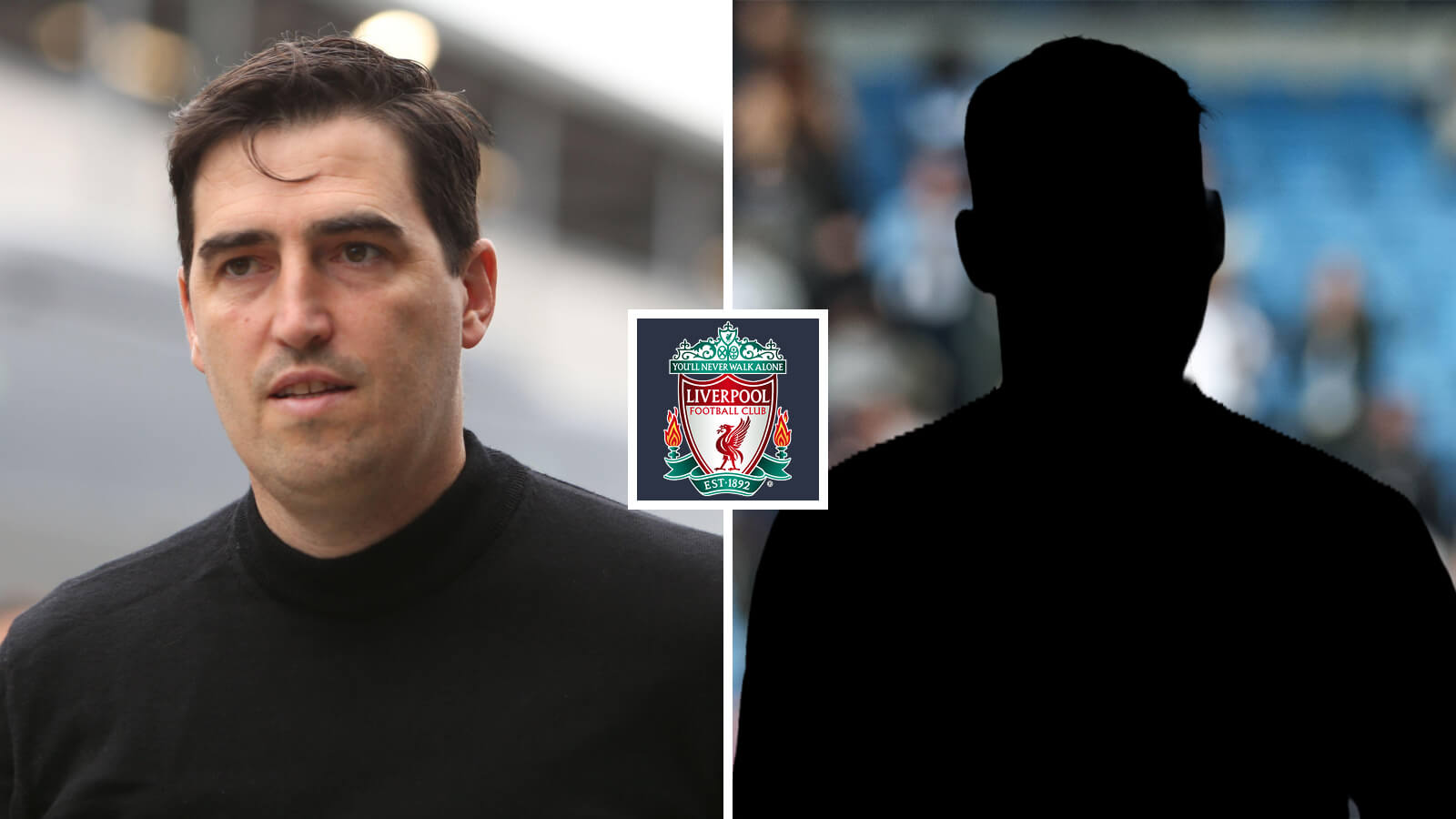
Andoni Iraola is coming to Liverpool, and it's tempting to see parallels with another inspired managerial appointment from years gone by. The Bournemouth boss proved he could squeeze gold from a shoestring budget, piloting a selling club to heights that would make most sides envious. But here's the rub: inheriting Jurgen Klopp's job without Klopp's players is a very different proposition indeed.
The Spaniard's track record speaks volumes. At a club that perpetually operates in the transfer market's bargain basement, Iraola crafted football far more expansive and entertaining than what we've witnessed under Arne Slot. He's demonstrated the ability to lose half his squad to the summer exodus and still maintain competitive standards. That takes genuine coaching prowess.
There's a precedent for this sort of gamble paying off handsomely. A certain German manager once worked miracles at Borussia Dortmund, playing exhilarating football before arriving at Anfield to transform the club. That gamble, as history records, went rather well.
Of course, appointing anyone carries risk. But the alternatives are hardly appetising. The elite managers aren't queuing at Anfield's door. So Liverpool must back a coach who can maximise existing resources without requiring the club to spend recklessly. Iraola fits that bill.
This season's dysfunction stemmed partly from attempting to force square pegs into round holes. The squad is already assembled; what's needed is someone capable of making them function as a cohesive unit. Slot couldn't manage it. Whether Iraola can remains the burning question.
One certainty: supporters will witness considerably more entertaining football than this past campaign offered. That's hardly a demanding bar to clear.
The Uncomfortable Truth About Liverpool's Squad
Yet beneath the optimism lurks a troubling reality that cannot be ignored. For a manager committed to high-intensity pressing football—the very system Iraola favoured at Bournemouth—Liverpool's current roster presents a mountainous problem.
The numbers don't lie. To operate the kind of pressing system that defined Klopp's best work requires seven or more quality first-team players the Reds simply don't possess. More fundamentally, one must question whether Liverpool's recruitment strategy over the past three years has been moving deliberately away from this model altogether.
Consider the defensive situation. Ibrahima Konaté departs due to inconsistency. Joe Gomez remains, though few clubs would pay a substantial fee for a player available on a free transfer in twelve months, particularly one with his injury history. That leaves a single reliable senior centre-back: a 35-year-old. Without playing an exceptionally deep line—as José Mourinho did with John Terry at Chelsea—the only defenders capable of operating the high line pressing demands are teenagers who haven't featured competitively for months. Right-back issues only compound the problem.
Midfield presents equal difficulties. Only Szobozslai, Gravenberch, and arguably Mac Allister possess the attributes for genuine pressing football, though the latter carries a significant question mark over current form and mobility. Alexis Mac Allister himself acknowledged hoping Slot's more controlled approach would provide opportunities that high-pressing rarely afforded him.
When Klopp constructed his pressing machine between 2022 and 2025, he commanded midfielders like Henderson, Wijnaldum, Fabinho, Milner, and Lallana—players hardwired for that intensity. Keita and Oxlade-Chamberlain provided additional pressing options from the bench. The current squad is drastically undersupplied in this regard.
The forward line tells an equally grim story. Ekitike is sidelined until January 2027, and when fit, he demonstrated the same fragility as other recent signings—unable to manage consecutive matches, rarely completing ninety minutes, lacking the physical profile for sustained pressing work. Alexander Isak managed only eight league appearances last season, leaving his suitability for this system genuinely unclear. Federico Chiesa, should he remain, has shown persistent issues with positioning and hasn't integrated smoothly into a tightly drilled pressing unit.
Between 2022 and 2025, Liverpool could call upon Luis Díaz, Darwin Núñez, Diogo Jota, and Cody Gakpo for the forward positions. Only Gakpo remains, and remarkably, some fans advocate his departure. Liverpool currently possess two forwards and no wingers beyond a 17-year-old. Implementing high-pressing football demands significant recruitment investment.
The uncomfortable conclusion: if Iraola's success requires substantial spending, doesn't that undermine criticism of his predecessor? And if recruitment proves essential, why should anyone feel confident when the man orchestrating that recruitment—Richard Hughes—has compiled a track record ranging from poor to disastrous?
A top-quality pre-season uninterrupted by disruption could recover points squandered through late-game fatigue. A dedicated set-piece coach alone might add ten points to the tally. But expecting high-pressing football without meaningful investment strains credibility. The squad simply cannot support it.
Iraola represents a genuinely gifted appointment. Yet arriving at Liverpool, he faces not merely the challenge of improving on Slot's output, but the reality that the tools required for his preferred system are largely absent. That's not a coaching problem—that's a structural one.
Compare options