Liverpool's Transfer Missteps and the Iraola Gamble: Who's Really to Blame?
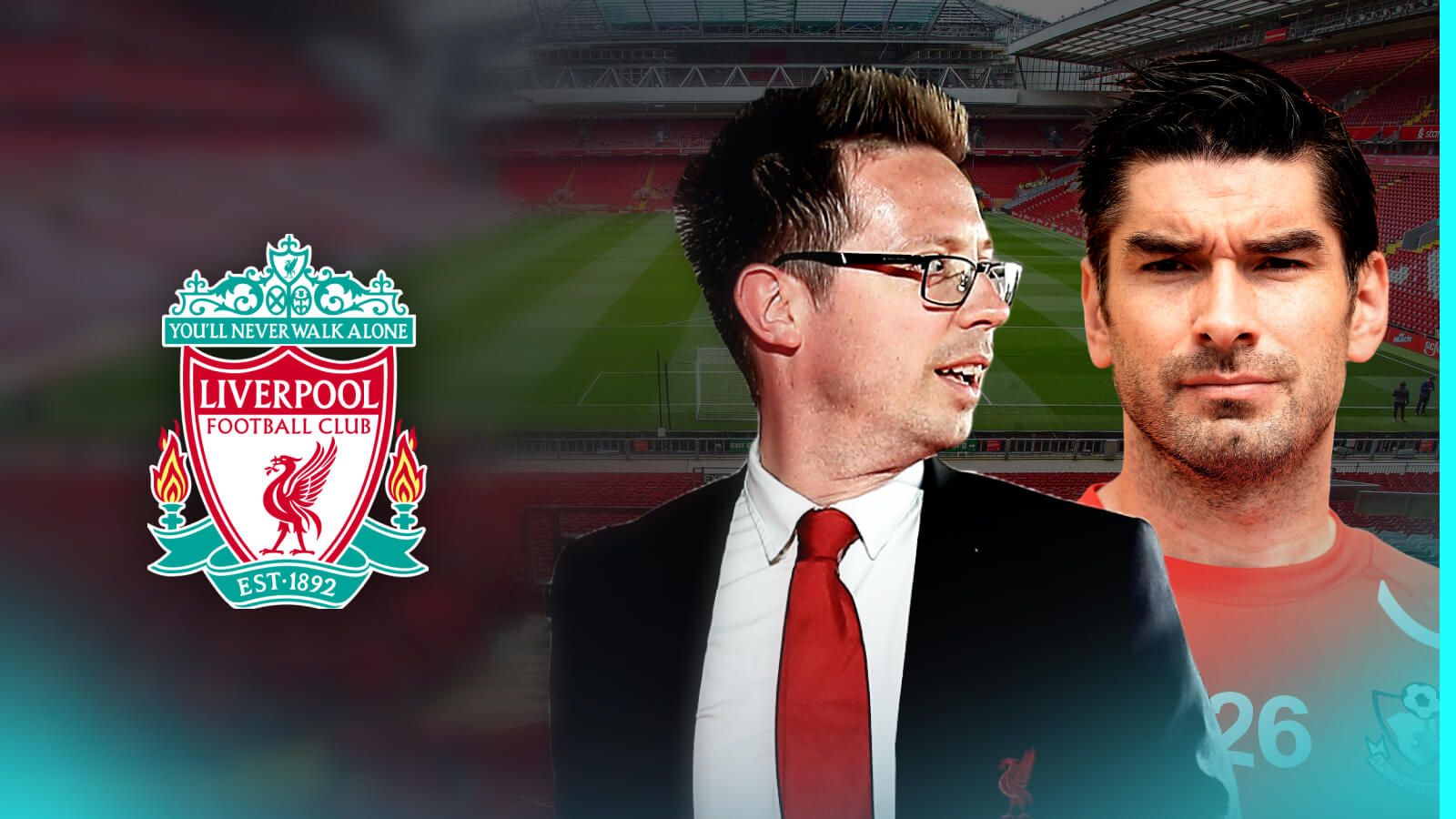
The knives are out at Anfield, but they're not pointing in the direction many expected. As the dust settles on Arne Slot's departure from Liverpool, supporters are increasingly laying blame at the feet of the club's hierarchy rather than the manager himself.
The central charge? That Hughes and Edwards set up their head coach to fail through a series of misguided transfer decisions that fundamentally destabilised the squad.
The Recruitment Reckoning
The specifics paint a damning picture. Bringing in Frimpong as a full-back when Liverpool had never operated with wing-backs in their system, yet signing only one rather than the pair needed to make such a tactical shift function properly. The failed attempt to lowball Crystal Palace for Guehi, allowing their primary defensive target to slip away despite his willingness to join. The glaring absence of an athletic defensive midfielder when Mac Allister was visibly running on empty and Gravenberch lacked the physicality for the role. The decision to offload Diaz without adequate replacement. And perhaps most contentiously, handing Mohamed Salah a massive contract at an age when his previous two seasons suggested decline—then altering the entire system that had maximised his talents for eight years.
One long-serving supporter since 1966 argues that while Slot took the fall for every poor result and performance dip, the real architects of dysfunction remain firmly in their posts.
The Hughes Question
Others have directed pointed questions at Richard Hughes himself. Why, they ask, was all the pace sold off only to be replaced with players requiring a complete tactical overhaul? How can one man oversee all football operations whilst spending significant time on the South Coast? And critically: was Slot's sacking a genuine football decision, or simply the easiest way to mask deeper structural problems?
There's acknowledgement that Slot's first season was genuinely exceptional—winning the league whilst extracting superior performances from Diaz, Gakpo and Gravenberch than his predecessor managed. Yet the 2025-26 campaign proved indefensible. Losing 19 games, criminally underusing academy prospects like Chiesa, Ramsay and Ngumoha, and seemingly distributing breaks with reckless abandon. The physical condition of players suggested a squad managed without sufficient rigour.
While FSG showed loyalty by keeping faith through November's dreadful week against City, Forest and PSV, the eventual decline became terminal. Fifth place, even with a respectable points tally, represents a catastrophic collapse for a club of Liverpool's stature.
The Iraola Uncertainty
This brings us to Andoni Iraola, the man tasked with salvaging the situation. He represents a considerable gamble. Yes, he plays attacking, high-press football and commands genuine respect from his players. But has he won anything? Can he command the authority this club demands? More pertinently—is he the best choice for Liverpool, or simply the best choice for Hughes and Edwards?
The appointment raises uncomfortable questions. A manager accustomed to mid-table operations now faces the intensity of competing for titles whilst juggling three games weekly with minimal preparation time. The personality required to challenge the hierarchy and demand the highest standards—the kind of figure who could truly connect with Anfield—remains elusive.
Until Hughes and Edwards address the structural issues that created this mess, the cycle threatens to repeat itself: blame will flow downwards, whilst accountability remains conveniently distant.
For Arsenal, meanwhile, the Champions League final defeat to PSG has sparked fierce debate about philosophy and pragmatism. Some supporters remain embarrassed by the team's passivity, particularly given last season's superiority over the same opponents. Others defend the defensive discipline as legitimate tactical nous.
The uncomfortable truth? PSG aren't paragons of pure football either. Their goalkeeper deliberately kicked six goal-kicks into touch for territorial gain. They pioneered the corner-flag kick-off routine. Yet Arsenal's negativity proved more conspicuous, their 0.01 xG in the second half onwards telling a damning story.
For next season, Arsenal must evolve their approach or risk the process wearing thin when results inevitably dip. Ruthless recruitment—a right-back, central midfielder, attacking midfielder, left winger and striker—alongside departures of fringe players, offers genuine hope. But if the football remains as suffocating as Saturday's display, even silverware may struggle to maintain supporter patience.
The margins separating success from failure in modern football have never been thinner. Liverpool and Arsenal both face critical junctures. How their hierarchies respond will define the next era.
Compare options