Did losing teach us more than winning? Fans debate the joy of football's harder times
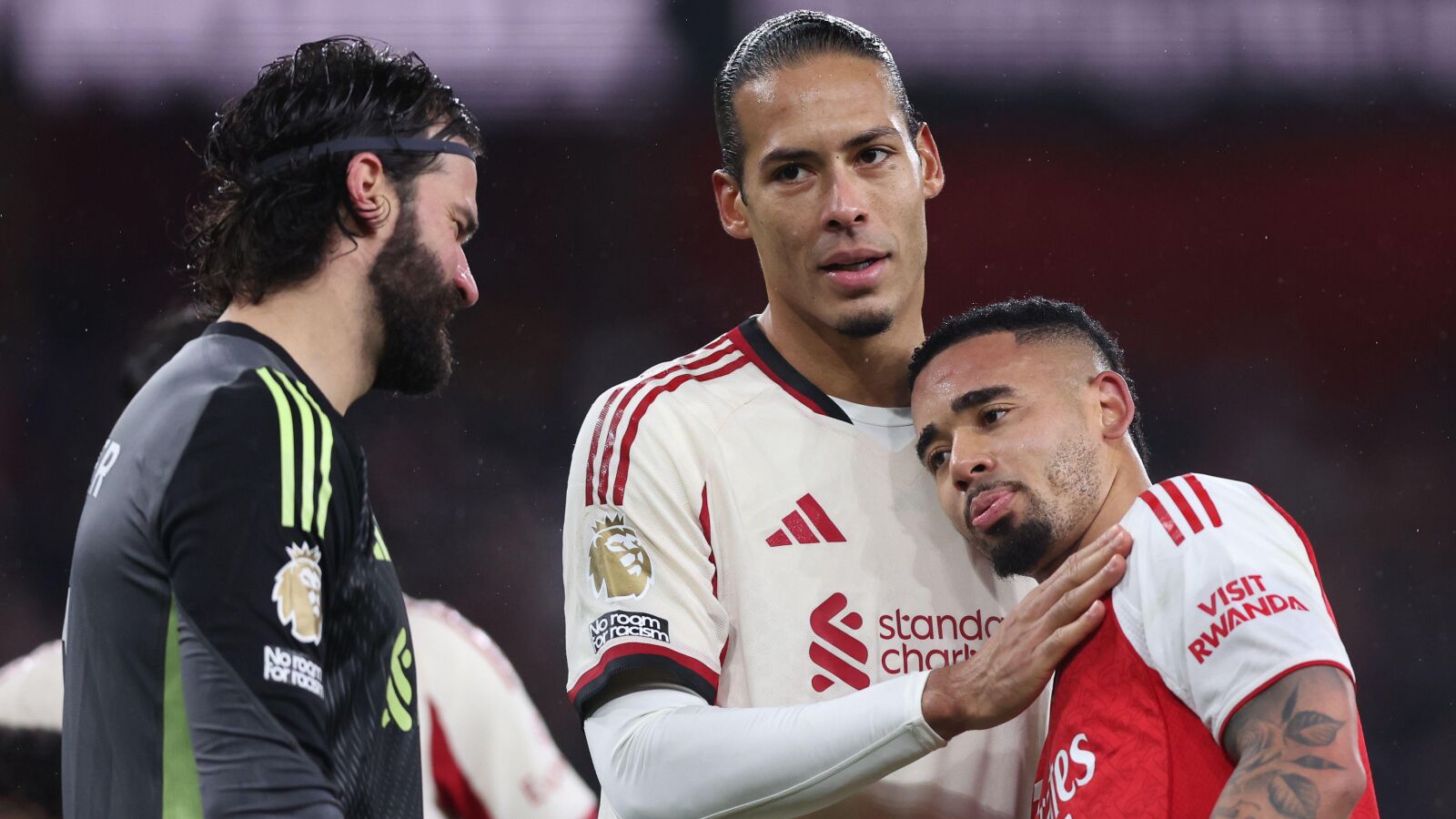
Winning without the fun?
There's a curious paradox troubling some of English football's biggest supporters: can success actually diminish the pleasure of watching your team?
Liverpool fans recall the Rafa Benítez era with particular fondness—a period when Champions League, UEFA Cup, FA Cup and League Cup victories felt genuinely earned, yet expectations remained refreshingly modest. A win was celebrated, but entertaining football counted for almost as much as the result itself. The atmosphere was one of hope rather than obligation.
Fast forward to the Klopp years, and something shifted. When your team is expected to win every week, when conceding a goal triggers anxiety rather than curiosity, when tactical setups feel like puzzles to solve rather than adventures to enjoy, does football become something to endure rather than savour?
Arsenal supporters face a more acute version of this dilemma. After years of competing with Pep Guardiola's Manchester City—where anything below 94 points felt like failure—the pressure cooker became the default setting. This season, despite their current league position, some wonder whether they've truly enjoyed the journey or merely tolerated it as a means to a potential end.
The question cuts deeper than mere nostalgia. When Klopp had Mane, Salah and Firmino, Liverpool were genuinely thrilling to watch. Even Manchester City's dominance carried a certain aesthetic appeal. Yet few find themselves drawn to Arsenal matches now unless their own team plays them. The football, for all its effectiveness, doesn't inspire the same magnetism.
Champions must play like champions
Not everyone sympathises with this hand-wringing. One correspondent took aim at the notion that elite teams should somehow apologise for their dominance.
When your side are the defending champions, when they've invested a record £446 million in summer reinforcements, they cannot hide behind excuses when facing bottom-placed opposition. The obligation is clear: win, and do it with quality football. This applies equally to Arsenal, whose own struggles against lowly sides have invited criticism for their grinding approach.
Arsenal's stylistic hypocrisy
The charge against Arsenal runs deeper than mere tactical pragmatism. Supporters of other clubs note an uncomfortable contradiction: Arsenal fans have spent years citing Arsène Wenger as a visionary architect of beautiful football, yet their current team operates in a manner Wenger himself would have publicly criticised.
Wenger once denounced Stoke's approach as "more rugby than football." Yet Arsenal's recent match against Chelsea, and their 101-minute affair with Brighton—where 30 minutes and 51 seconds were spent waiting for them to restart play—suggests the philosophy has shifted considerably.
In those 16 Premier League meetings between Klopp and Guardiola, 46 non-penalty goals were scored, with just three coming from corners. Modern Arsenal, by contrast, seems to have embraced a hybrid of Atlético Madrid and Stoke City pragmatism. There's nothing wrong with winning this way, the argument goes, but Arsenal fans and their manager shouldn't claim kinship with the stylistic lineage of peak City or Liverpool while doing so.
Arteta has done solid work, certainly. But "great" demands either significantly more silverware or comparable results on considerably less spending than the near-£1 billion invested in this squad rebuild.
The time-wasting question
Critics point to Arsenal's deliberate stalling tactics as evidence of a broader decline in football's aesthetic standards. Yet some Arsenal supporters counter that the time-in-play statistics tell a different story than the narrative suggests, and that their side has endured questionable VAR decisions in previous seasons—notably the Ivan Toney offside situation that went unchecked in 2023-24.
The team, they argue, has evolved into something greater than the sum of its parts. With 19 different goalscorers and 101 goals this season, combined with Europe's best defence, Arsenal have shown remarkable resilience through injuries to key personnel.
Punditry's competence crisis
One correspondent raised concerns about the quality of modern football analysis, particularly Paul Scholes' suggestion that Arsenal shouldn't receive the trophy if they win the league due to their style. While tongue-in-cheek, it misses a fundamental truth: football has always accommodated multiple routes to success.
The real frustration lies with pundits who play it safe, recycling tired clichés rather than offering genuine tactical insight. Roy Keane, for all his divisiveness, at least reflects his playing philosophy through his commentary. Others, despite their playing pedigree, seem unwilling to dig into the actual mechanics of how teams operate or how opponents can be neutralised.
VAR needs radical rethinking
The VAR debate continues to fester. Rather than endless tinkering, perhaps the solution requires structural change: equipping referees or fourth officials with portable screens to review incidents independently, without the theatrical delays and ear-piece consultations that have become tedious spectacle.
Offsides could be handled by assistant referees combined with semi-automated technology, with footage delivered to devices within 60 seconds. Major incidents warrant one normal-speed replay and two slow-motion replays maximum. Coaches receive one review request per half.
The pre-VAR frustration wasn't that referees got every call right—it was that television viewers could see clear errors officials missed. VAR has introduced more annoyances without restoring that satisfaction.
Tottenham's premature obituary
Yes, Spurs have endured a dreadful season. No, they are not yet relegated. With nine matches remaining and winnable fixtures against Wolves, Forest, Leeds and Sunderland still to come, the doom-loop commentary from YouTubers and bloggers telling fans their club is already down has become counterproductive. Tell someone they're sick enough times, and they begin to believe it—even when mathematical reality tells a different story.
Aston Villa's legitimate grievance
Aston Villa supporters have grown weary of snide remarks about their club's spending record, particularly the Coutinho saga being repeatedly invoked four years after the deal. That transfer occurred under a previous regime, both the CEO and manager departing shortly afterwards as a result.
More importantly, it misses the central point about financial restrictions: ambitious clubs with wealthy owners should be free to spend as they see fit, just as the established elite have done for decades. The Coutinho mistake doesn't invalidate criticism of a system that blocks Villa from operating with the freedom afforded to Manchester City, despite City's 115 charges and decade-long wait for meaningful punishment.
Since Emery took full control of football matters, Villa's transfer record has been modest at best. They've barely improved the starting eleven in nearly four years—Rogers and Tielemans being the notable exceptions. The Harvey Elliott situation epitomised recruitment struggles that fall squarely on Emery's shoulders.
Should Emery depart for a "better-run club," he'd likely encounter the same financial strangleholds affecting Villa, or join an elite club unwilling to grant him the control he currently enjoys. Villa, despite their restrictions, operate about as efficiently as circumstances allow.
Compare options