FSG Pulls the Trigger on Slot: Liverpool Face West Ham Fate If Wrong Successor Chosen
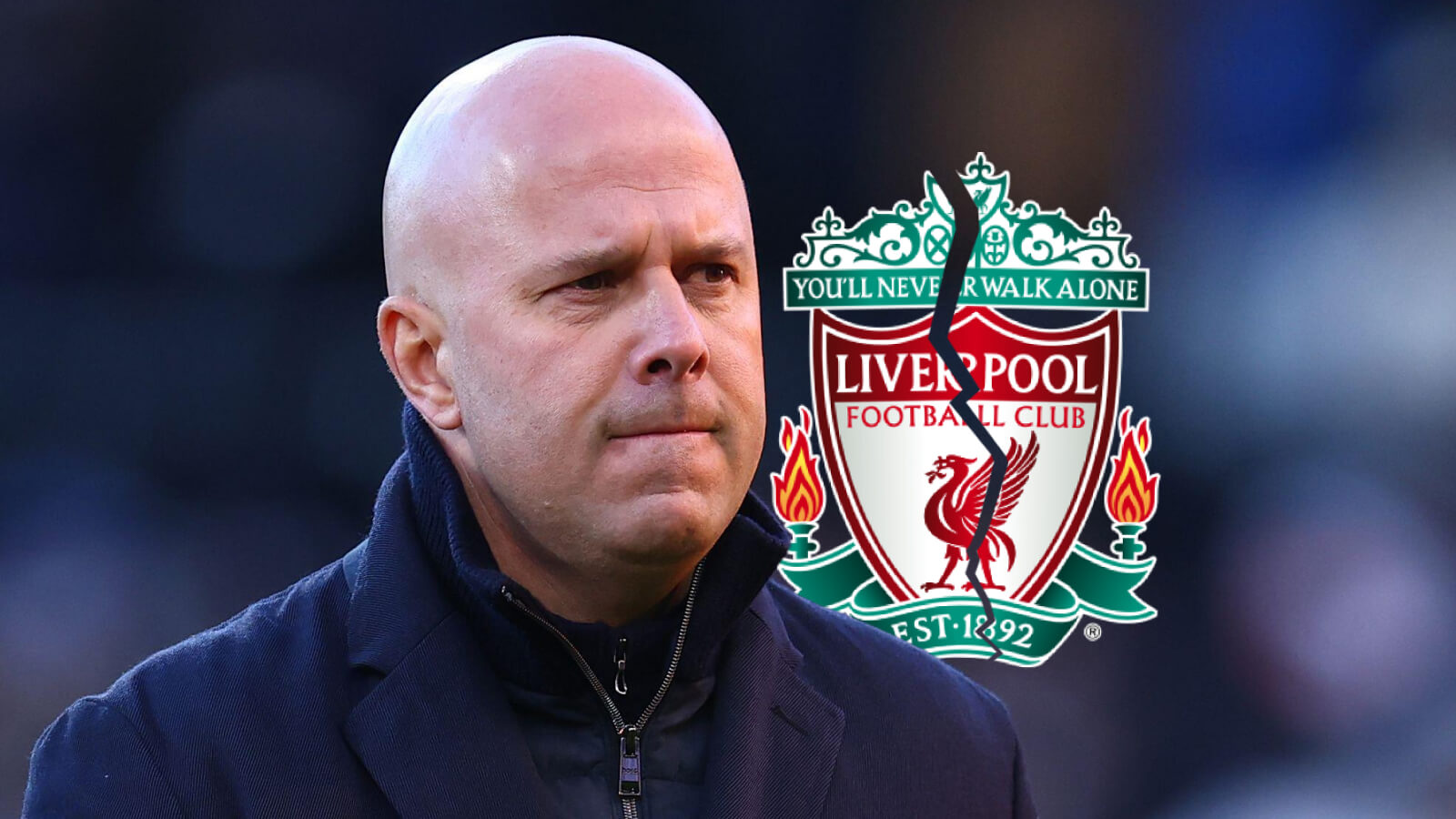
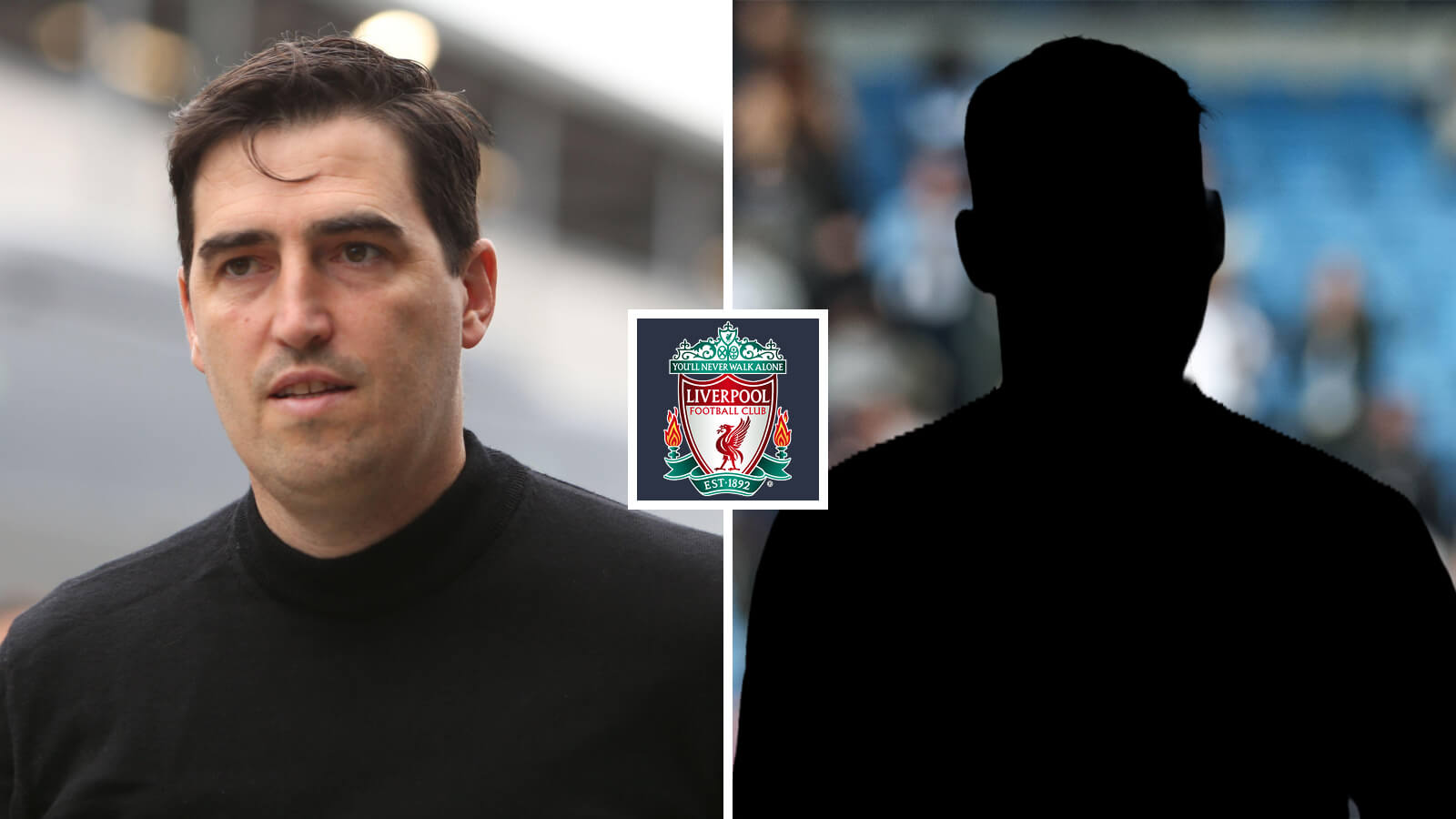
Arne Slot's time at Anfield has ended. The Liverpool manager was dismissed on Saturday, leaving the club searching for a new direction as speculation swirls around Andoni Iraola as a potential successor.
The Anfield faithful remain split on the decision, with legitimate questions emerging about whether FSG have acted hastily or made the right call after a turbulent campaign that saw the Reds finish fifth with 60 points.
The Case Against the Sacking
Slot inherited a rebuild project of monumental proportions. A significant turnover of the squad meant an entirely new cohort needed integrating into the system. Key arrivals came with their own challenges: Alexander Isak lacked match sharpness, while Florian Wirtz required time to adjust physically to Premier League demands.
But injuries compounded matters beyond any manager's control. Ibrahima Konate's form nosedived. Mohamed Salah struggled. Both right-back options suffered lengthy spells on the sidelines. A promising centre-back was ruled out for the season after just one appearance. Isak's absence following a serious challenge from Spurs proved costly just as he was finding his rhythm. The knock-on effects cascaded through the team, leaving Ekitike exhausted from overuse.
Then came the Diogo Jota situation—a loss that transcended statistics. The midfielder's injury devastated the dressing room in ways that stretched beyond tactical considerations. Andy Robertson's emotional struggles for Scotland underscored just how much Jota's presence meant to those around him.
Managing through such adversity demanded resilience from any boss. Champions League qualification, while not satisfactory by Liverpool's standards, represented a reasonable return given the circumstances.
The Case For Change
Yet there's an argument that Slot simply wasn't the solution Liverpool needed. His reluctance to trust academy talents proved costly. Jarell Quansah has impressed sufficiently to earn England recognition—time he could have spent developing at Anfield. Harvey Elliott's fearlessness and big-game pedigree went underutilised. Conor Bradley, an actual right-back, was overlooked in favour of pushing midfielders out of position. Reports of academy frustration with Slot's approach suggest a fundamental disconnect.
The football itself became difficult to watch. The intensity that defined Liverpool under Jürgen Klopp—winning possession back within five seconds—slipped to mid-table standards this season. That high-octane pressing without the ball forms the bedrock of the club's identity. Its absence left opponents too comfortable, too settled.
Defensional cohesion fractured early when new full-backs were thrust ahead of established options. The midfield, particularly Alexis Mac Allister, lost its bite. Frictions with Salah intensified visibly. The squad appeared fractured.
By season's end, the excuses wore thin. Slot's early media composure gave way to increasingly questionable explanations for mediocre performances. Of the entire campaign, barely three matches saw Liverpool genuinely dominate proceedings.
The West Ham Warning
Here lies the real concern: Liverpool risk becoming West Ham. A few years ago, David Moyes had the Hammers knocking on the Champions League door. A couple of poor results and unlucky refereeing decisions cost them qualification. The club's hierarchy convinced themselves they were too good for Moyes, sacking him only to discover they'd been a well-coached mid-table side elevated by managerial excellence, not a slumbering European giant being held back.
Liverpool's natural position across two decades was fourth place and European football. Believing they deserve better than that—rather than appreciating a manager's role in exceeding it—represents the first step toward becoming Tottenham or West Ham.
The Iraola Question
Bournemouth's manager appears the favourite to take the reins. His credentials are intriguing: he finished sixth despite squad decimation and January departures. He's well-liked, commands respect without creating friction, and understands how to impose structure amid chaos. Yet does he possess the big-club personality required to manage a side expected to win titles rather than survive on a weekly basis?
His Bournemouth side produced masterclasses—a 4-1 demolition of Newcastle with half the squad missing screams of coaching excellence. That tactical nous could prove invaluable.
A Timing Issue
The sacking timing raises eyebrows. Announcing a managerial change on Champions League final evening—when Arsenal and PSG commanded global attention—feels either deliberately provocative or desperately tone-deaf. Some wonder whether internal conversations triggered the decision. Others view it as a knee-jerk reaction from ownership desperate to appease frustrated supporters witnessing an alarming fall from grace.
The verdict? Slot faced an impossible hand. Whether he could have played it better remains debatable. But Liverpool's next appointment carries genuine weight. Choose wisely, and the trajectory reverses. Choose poorly, and the club risks slipping into the mediocrity they've spent years escaping.
Compare options