The Messi Problem: How Football's Greatest Draw is Quietly Multiplying the Game's Carbon Footprint
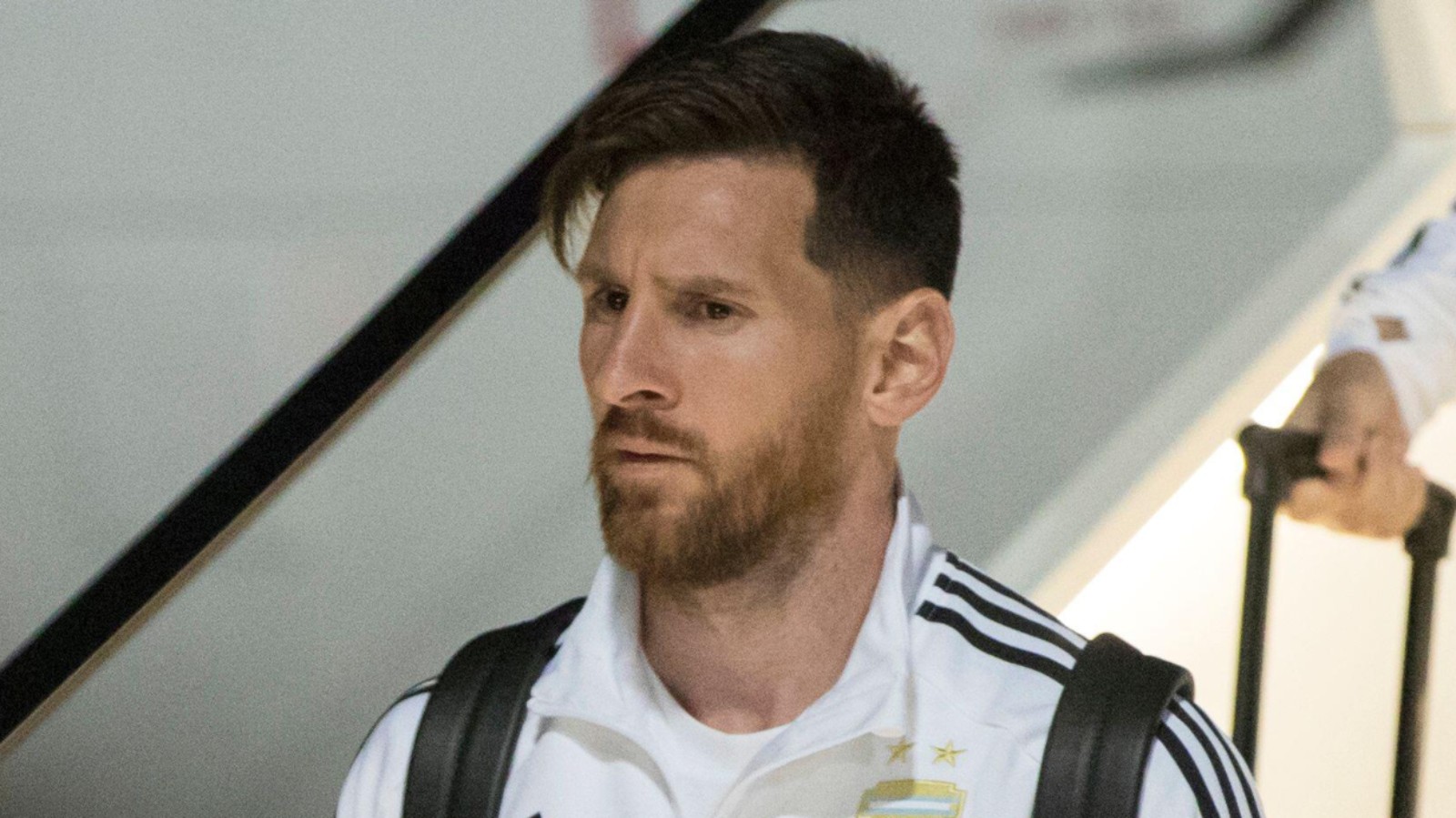
There's a tipping point that arrives somewhere between the first packed-out NFL venue and the hastily assembled exhibition match on another continent, where the Messi phenomenon ceases being a football story and becomes something far more consequential.
Something with weight. Something with reach. Something that leaves a mark.
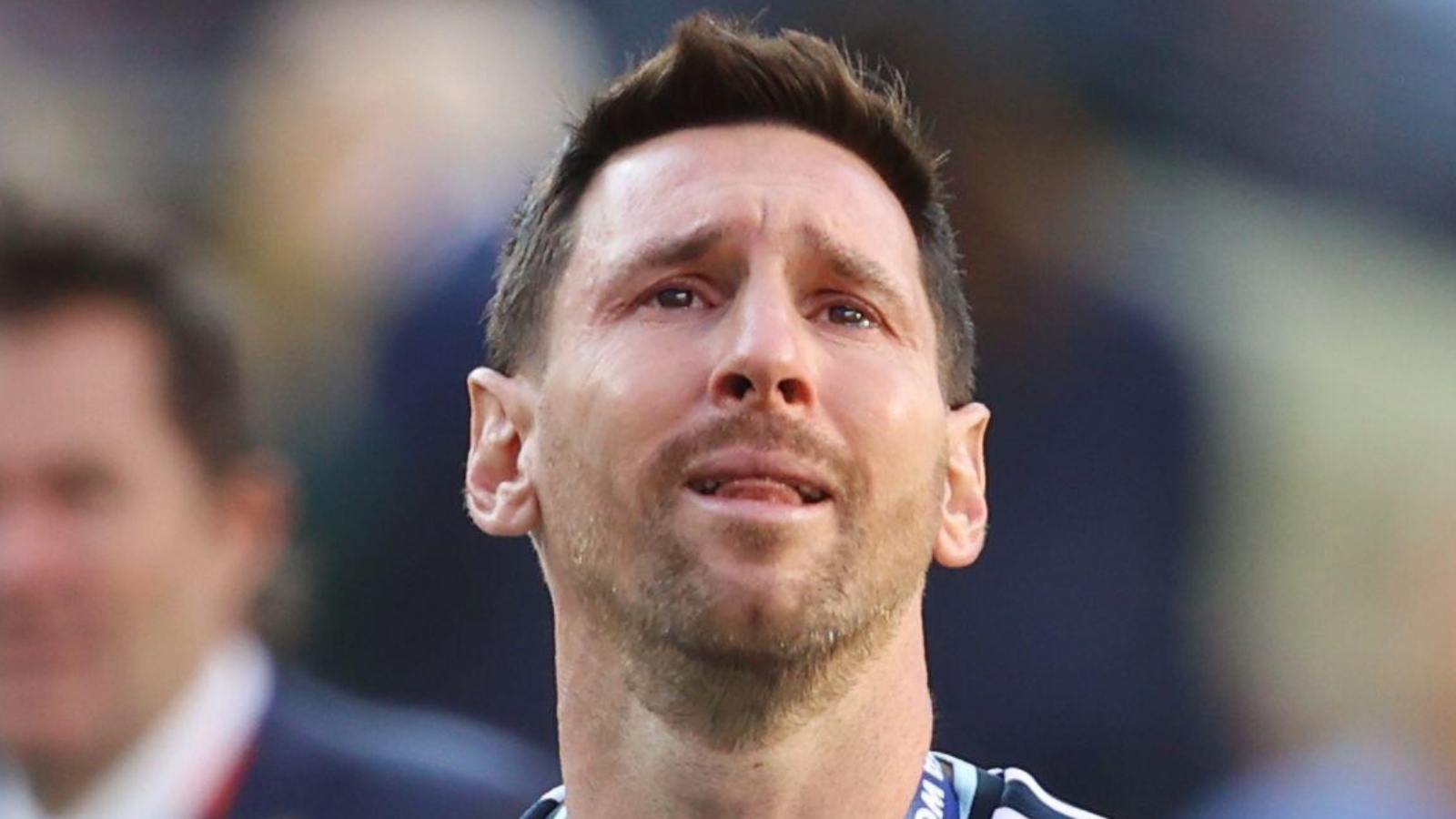
When the Argentine icon pitched up at Inter Miami in 2023, the immediate effects were unmistakable: packed houses, record shirt sales, fresh streaming agreements, and a palpable sense that MLS had finally discovered its centre of gravity. Club bosses didn't mince words about the "before and after Messi" divide, and they weren't overstating it.
By 2025, that shift had calcified into structural change. Messi wasn't merely the league's finest talent—he'd become its financial heartbeat. He claimed an MLS Cup, consecutive MVP trophies and a degree of worldwide attention the competition had spent decades chasing.
Come 2026, the phenomenon has only intensified. When Inter Miami journeyed to Colorado in April, 75,824 supporters showed up—among the biggest attendances MLS has ever recorded, summoned purely by Messi's name. The Rapids relocated their clash to an NFL stadium just to handle the crush of bodies.
This is what Messi accomplishes: he reshapes logistics, geography and expectation in his image.
Yet reshaping geography carries consequences. Every instance—the relocated matches, the expanded capacities, the worldwide exhibitions and commercial jaunts—carries a price that the sport is only now beginning to examine. Not in monetary terms, but in environmental ones.
Herein lies the awkward reality sitting at the heart of modern football's greatest commercial narrative: Messi's effect is simultaneously a carbon multiplier.
Begin with movement—sport's most glaring and stubbornly ignored concern. Inter Miami's 2026 fixture list reads less like a league campaign and more like a travelling roadshow. Pre-season fixtures alone spanned South America, with further matches arranged in Puerto Rico. That's before the regular season, regional tournaments and the inevitable showcase games that accompany a player of Messi's magnitude.
Then there are the tours that exist solely because he does. December 2025 saw Messi undertake a multi-stop exhibition run across India—part showcase, part cultural phenomenon, part commercial machine. Multitudes travelled. Local systems buckled. Spectators overwhelmed those running the show. In miniature, it's an old pattern: demand outstripping readiness; spectacle outstripping practicality.
Expand the view and the picture repeats itself. Rival clubs upgrade their grounds. Airlines expand their fleets. Media organisations broaden their coverage. Spectators journey further, regularly internationally, for a glimpse of someone who's spent twenty years remaking the sport.
Each individual choice feels logical. Taken together, they construct a framework quietly, steadily enlarging football's environmental toll.
When Messi doesn't appear, the response proves instructive. In 2025, a club issued apologies and compensation following his absence from a scheduled appearance, such was the expectation of his participation. The implication is unmissable: Messi isn't merely an ingredient in the product—he is the product. And the product must circulate.
This isn't a critique of Messi personally, nor of the expansion he's sparked. Football has perpetually pursued growth, perpetually hunted fresh markets, fresh audiences, fresh revenue sources. Messi merely accelerates that trajectory to almost farcical extremes.
The catch is that acceleration carries a price.
Much European thinking treats sustainability as a technical matter—solar installations on rooftops, water recycling systems, the odd net-zero commitment. Yet Messi exposes a murkier, thornier reality. Football's environmental footprint isn't simply about staging the match. It's about moving the match.
And nothing moves quite like Messi.
His involvement converts routine domestic encounters into planetary spectacles. It dictates scheduling choices, swells crowd numbers and justifies intercontinental journeys that might never otherwise occur. MLS crowds climbed markedly following his arrival, with numerous fixtures attracting attendances more characteristic of international showdowns than league affairs. Despite wider fluctuations, the Messi effect remains glaringly obvious.
That effect, however, isn't uniformly spread. It concentrates activity—additional flights, additional travellers, additional movement—around one player. It functions, essentially, as induced demand in football form: manufacture the spectacle, and the emissions materialise.
There's a paradox lurking here, one that sits uneasily beneath football's sustainability rhetoric. The sport's strongest expansion mechanism is simultaneously among its most stubborn environmental wildcards. You can't diminish Messi's appeal. You can't meaningfully constrain the excitement he generates without corroding the commercial framework that depends upon him.
So the real question shifts: can football handle what the Messi effect produces?
This is no fleeting situation. Messi has committed to Miami through at least 2028, guaranteeing the continuation of exhibitions, sellouts and international focus. The 2026 World Cup, coming to North America, will amplify it further, pulling additional spectators, additional journeys, additional activity into an already burgeoning system.
In that regard, Messi represents not an exception but a preview.
Football's trajectory increasingly orbits around transcontinental superstars, worldwide tournaments and viewership scattered across the globe. The game is no longer rooted in locality, if it genuinely ever was. It's become a travelling show and its most recognisable figures are its most effective vehicles.
Which circles back to that initial moment—the one where a sold-out ground feels less like a victory and more like a dilemma. Not whether Messi merits the fuss; that conversation concluded long ago. But what truly gets paid for, underneath the surface. And whether football, in its relentless pursuit of expansion, has genuinely started wrestling with what the answer might be.
Compare options