Readers' Forum: Messi Coverage, Transfer Strategy, and the State of Modern Football Discourse
The Messi Question
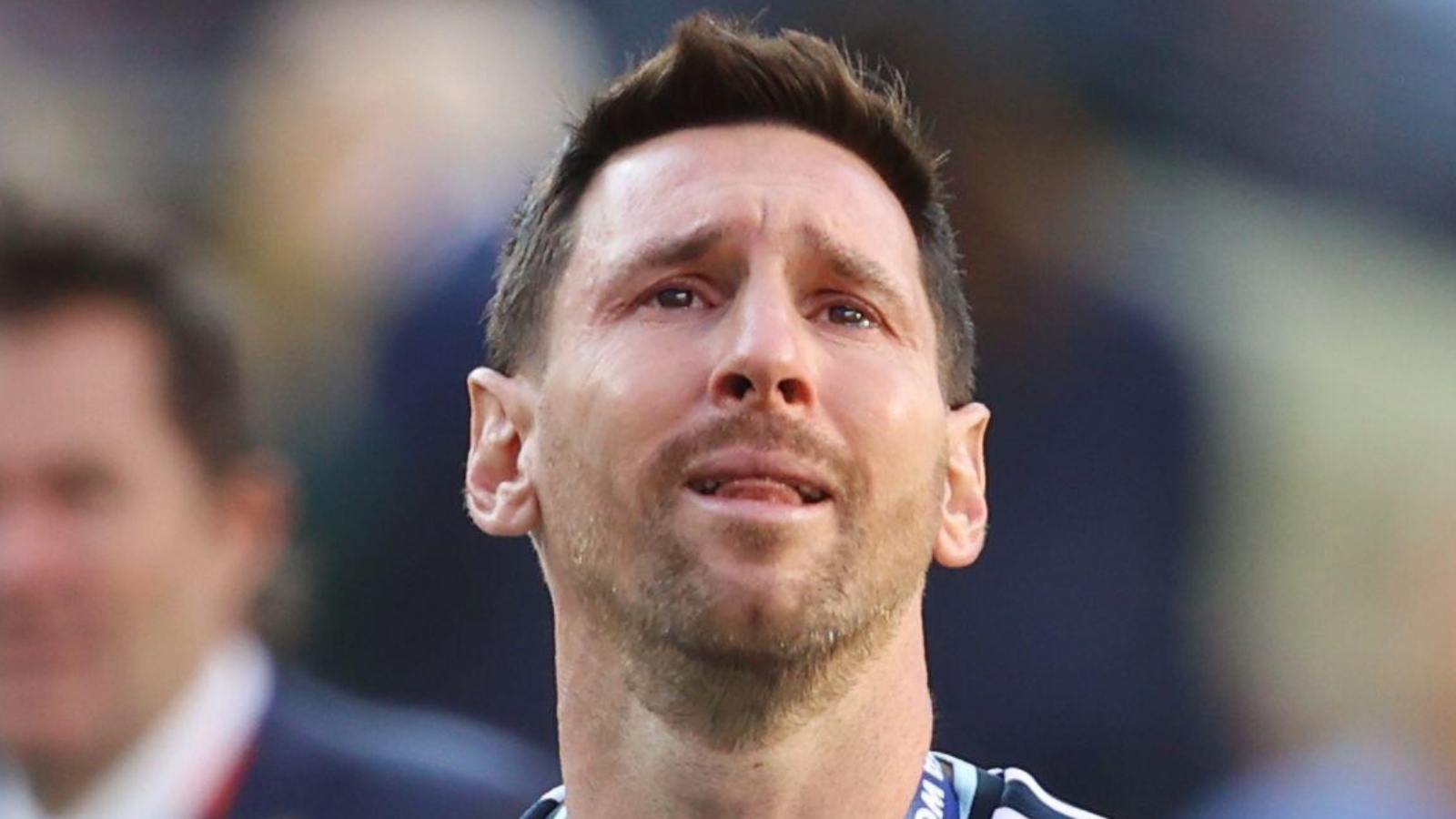
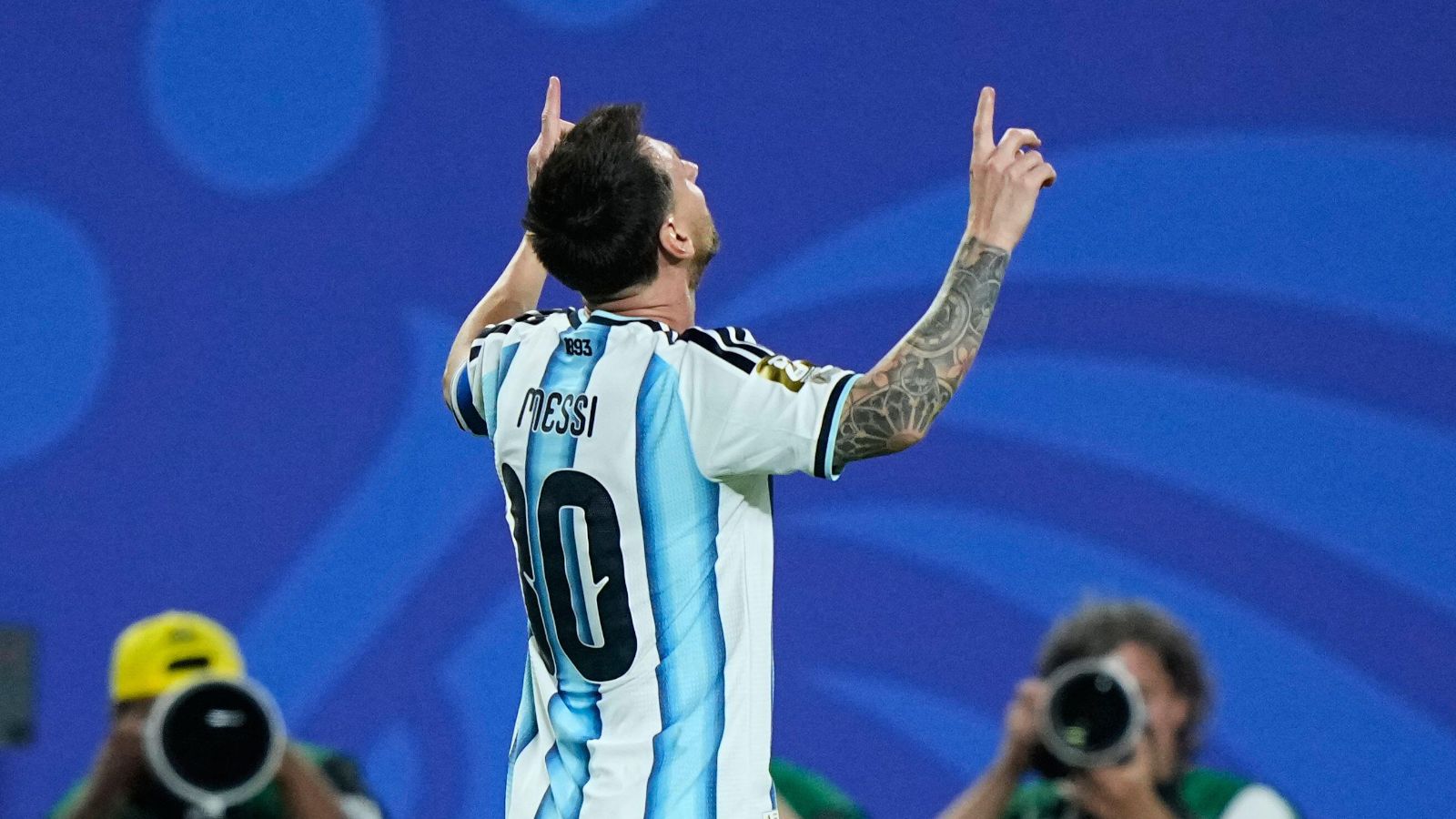
One reader from Manchester has had quite enough of the relentless media saturation surrounding Lionel Messi's performances. The constant praise, they argue, conveniently glosses over the role of officiating decisions in Argentina's progression. While acknowledging Messi's extraordinary talent, the criticism extends to FIFA themselves, accused of tilting the playing field in favour of their "darling" to facilitate a back-to-back World Cup triumph. The contrast drawn is stark: Diego Maradona dragged Argentina through sheer individual brilliance, whereas Messi's path has been smoothed by questionable penalty awards and lenient refereeing. Should Argentina ultimately win the tournament, the reader urges observers to examine exactly how they got there—beyond the inevitable hagiography.
The Transfer Market Puzzle
A Montreal-based Liverpool supporter pushes back against the narrative that major clubs are uninspired in their recruitment. While acknowledging last summer's window gave Liverpool legitimate grounds for criticism, the writer argues the real issue lies elsewhere. When Brighton, Bournemouth, and West Ham all identify the same targets, it's hardly mysterious: they access identical performance data, watch the same matches, and pursue players with proven Premier League experience. The usual suspects—Fabrizio Romano and the anonymous "elite journalists"—recycle each other's claims, creating an illusion of universal interest.
The key distinction, however, is context. Smaller clubs can afford to gamble on developing lesser-known talent; Liverpool, Manchester City, and Arsenal operate under different pressure. Their signings must deliver immediate impact, not potential realised over twelve months. Recent Liverpool links with Kephren Thuram, the reader notes, hardly fit the narrative of lazy, predictable targeting anyway.
Kit Woes and Exonyms
The Netherlands' orange kit drew particular ire from one correspondent, who noted how the colour scheme appeared genuinely blurry when paired with matching orange shorts against Japan. The switch to black shorts in the subsequent match at least toned things down, though the overall aesthetic remained questionable.
On a linguistic note, another reader defended the use of "Turkey" rather than "Türkiye" in English-language media. Exonyms—the names different languages use for places—exist naturally across all tongues. Insisting on "Türkiye" opens the door to every nation demanding English speakers adopt their preferred endonyms: Hellas, España, Zhongguo. In English, the country is called Turkey. That's simply how the language works.
The Scottish Question
Several readers have defended Scotland's fans against grumblers suggesting they shouldn't celebrate their World Cup participation. One correspondent drew parallels with Ireland's 1990 campaign, which single-handedly lifted the nation out of recession—they reached the quarter-finals and later claimed their first World Cup win in 1994. Why shouldn't fans enjoy themselves?
Another reader from Cheshire—explicitly not the miserable one—expressed genuine pride in the Tartan Army's antics in Boston, noting they've made supporting British football feel genuinely fun for the first time in ages. The broader World Cup experience, they argue, has been refreshingly enjoyable across most fan bases, contrary to expectations.
Anthems and Identity
One English supporter made a case for replacing God Save The King with an alternative national anthem. Using the same anthem across all four home nations, they argue, tacitly suggests England equates itself with the entire UK—hardly respectful to Wales, Scotland, and Northern Ireland. Beyond the political dimension, the current anthem is musically uninspiring. As a republican atheist, the writer has zero investment in God, the monarchy, or divine royal salvation. David Bowie's Heroes was suggested as an alternative—thematically sound, universally known, and genuinely cool.
The Belgium Comparison
One observer drew parallels between Belgium at this World Cup and England's 2010 campaign: a squad brimming with individual talent yet struggling against inferior opposition, lacking collective direction and clarity. The comparison speaks volumes about the gulf between star power and functional football.
Media, Diversity, and Discourse
The mailbox concluded with heated exchanges over media coverage patterns, diversity in football, and the tone of contemporary football commentary. Readers debated whether media coverage of certain players reflects genuine merit or reflects broader editorial agendas. The conversation touched on everything from Lamine Yamal's breakout performances to representation in European national teams, ultimately revealing deep disagreements about how football should be covered and discussed in the modern era.
One editor's note proved particularly telling: "We will leave it there; wouldn't want to lose my career, marriage, self-respect and all sense of humanity."
Compare options