From Cherished Relic to Fast Fashion: Football's Dirty Kit Problem
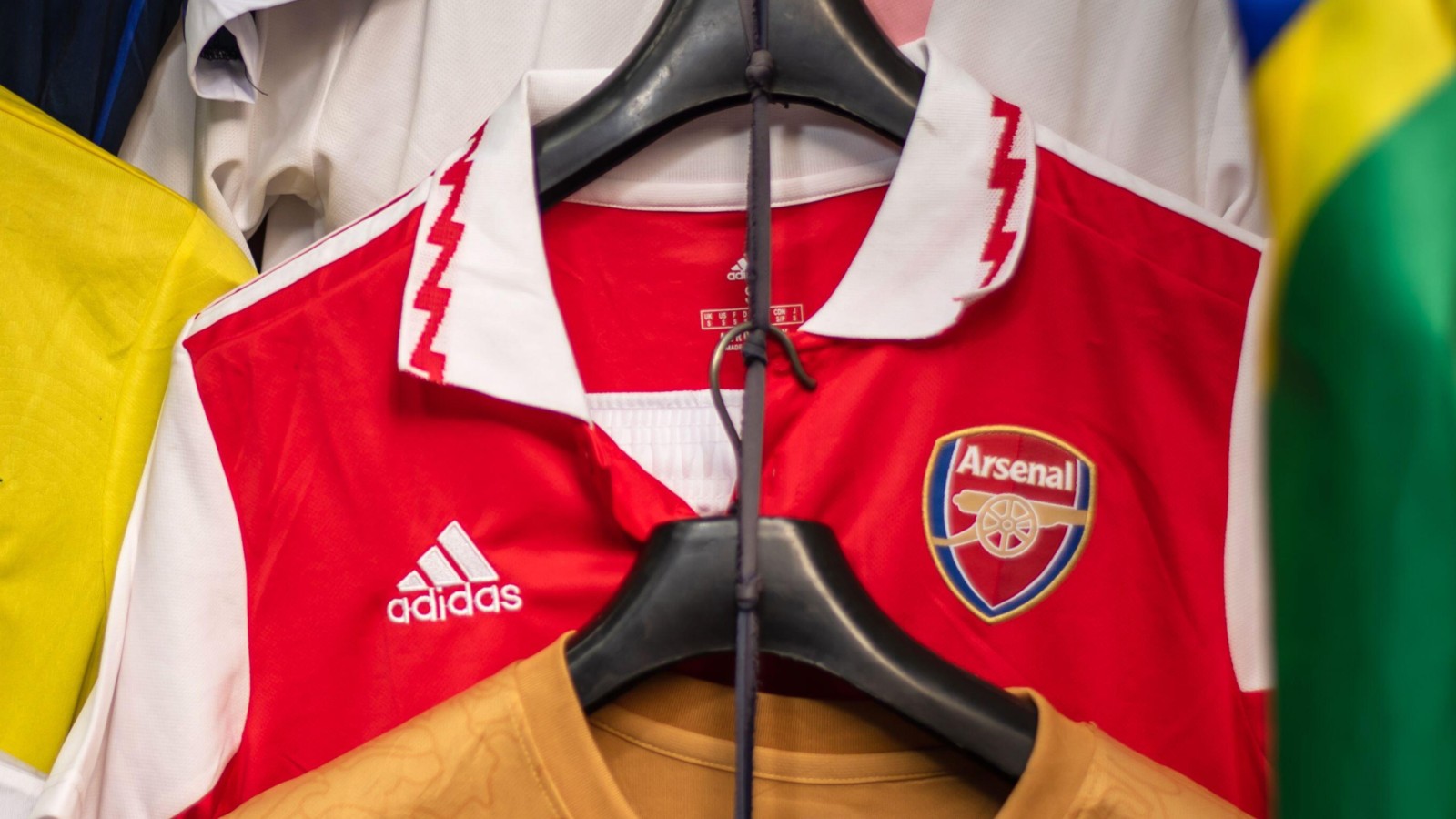
Remember when a football shirt was something you grew into? A garment that faded with wear, stretched with your shoulders, and carried the DNA of seasons past long after the players wearing it had departed? Those days feel quaint now.
The modern kit is something else entirely: launched with fanfare, consumed at pace, and swapped out before anyone thinks too hard about its origins or its destination. It's fast fashion with a club crest, and the numbers tell an uncomfortable story.
The Journey Begins
Every shirt starts the same way, whether it's destined for Stamford Bridge or a peg in the Old Trafford megastore. It begins as polyester—either virgin fossil fuel or, increasingly, recycled plastic. This shift towards recycled materials makes for excellent marketing. The major manufacturers love a good sustainability story, positioning themselves as environmental warriors. It's a narrative that holds water up to a point, but only if you're not looking too hard at what happens next.
The Elite Game's Throwaway Culture
At the top level, match-worn kits lead brief, intense lives. Clubs hand out fresh shirts for fixtures—sometimes multiple jerseys per game depending on conditions, competition rules, or player preference. Broadcasting demands pristine presentation. Sponsors demand visibility. Players demand comfort. The consequence is straightforward: reuse barely figures.
Compare that to lower-league clubs, which wash and recycle kits across multiple matches. Your Premier League elite? They treat shirts as semi-disposable.
Yet disposal rarely means the landfill. A shirt worn by a top-flight player carries value far beyond its fabric. Many end up in the memorabilia market, authenticated and auctioned to collectors worldwide. Others are swapped on the pitch, destined for a frame rather than a bin. Clubs also channel surplus kit through charitable outlets—grassroots teams, community organisations, international programmes. The optics matter as much as the outcome; a shirt doing good in the world beats one quietly incinerated.
Still, the system isn't as circular as it claims. Not every shirt gets auctioned or donated. Some languish in storage. Others are repurposed internally. Many slip through the cracks. The sheer volume—multiple competitions, kit variations, seasonal releases—makes perfect stewardship nearly impossible. Sustainability becomes less about individual garments and more about aggregate impact, and that's where the picture darkens considerably.
The Replica Treadmill
If match-worn kits are fleeting, replica shirts are relentless. Every year: a new home kit, a new away kit, a new third kit, plus an endless stream of limited editions, collaborations and anniversary releases. For clubs and manufacturers, it's a commercial machine too lucrative to pump the brakes on. For supporters, it's a treadmill of desire and obsolescence—fast fashion wrapped in a club badge.
Inside the Megastore
Within retail spaces like the megastores bolted onto Premier League grounds, the lifecycle is governed purely by sales. Shirts arrive by the truckload, quality-checked and displayed under bright lights with aspirational imagery. Most shift at full price in those first heady weeks when novelty is at its peak. Then the countdown begins.
Faulty stock and misprints get yanked first—a wonky sponsor logo, a player name botched in printing, a stitching defect. Some get returned to manufacturers for recycling. Others are quietly discounted through secondary channels, imperfections forgiven for a lower price.
Unsold inventory follows the familiar retail death march. As the season drags on and demand softens, prices tumble. First gently, then savagely. By the time the new kit drops, last season's design is exiled to clearance rails or online bargain bins, stripped of mystique and marked down accordingly. Some still find buyers. Many don't.
What happens next? The visibility decreases sharply. Bulk resale to discount retailers. Redistribution to overseas markets. In some cases, disposal.
The Uncomfortable Truth
This is where football's sustainability pitch starts to crumble. The industry loves banging on about recycled materials and eco-friendly manufacturing, but these gains ring hollow if products are overproduced and underutilised. A shirt made from recycled plastic is still an environmental burden if it's worn twice and discarded. The issue isn't just what kits are made from—it's how many are made and how quickly they're replaced.
100,000 tonnes of sportswear ends up in UK landfill annually. Let that sink in.
Tentative Shifts
There are glimmers of change. Some clubs and brands are piloting take-back schemes, inviting fans to return old shirts for recycling or reuse. Others are testing more durable designs or extended kit cycles—though these often clash with the commercial imperative for constant turnover. Initiatives converting old kits into new fabric hint at a genuinely circular future, but they remain marginal compared to the scale of production.
The Contradiction
Ultimately, a football kit embodies the contradictions of the modern game. It's an object loaded with emotional weight yet produced and consumed at accelerating speed. It's marketed as part of a sustainable future while operating within a system engineered for constant renewal.
A shirt can endure a lifetime. It can be worn threadbare, passed down, rediscovered years later. But that's now a personal choice, not an industry standard. For every treasured relic, countless others move silently through a system designed for turnover, not longevity.
Football fancies itself a global force for good—and sometimes it is. But if it wants its sustainability claims to mean anything, it needs to reckon not just with how kits are made, but with how quickly it expects them to become yesterday's news.
Compare options