Rosenior Emblematic of Premier League's Managerial Meltdown Season
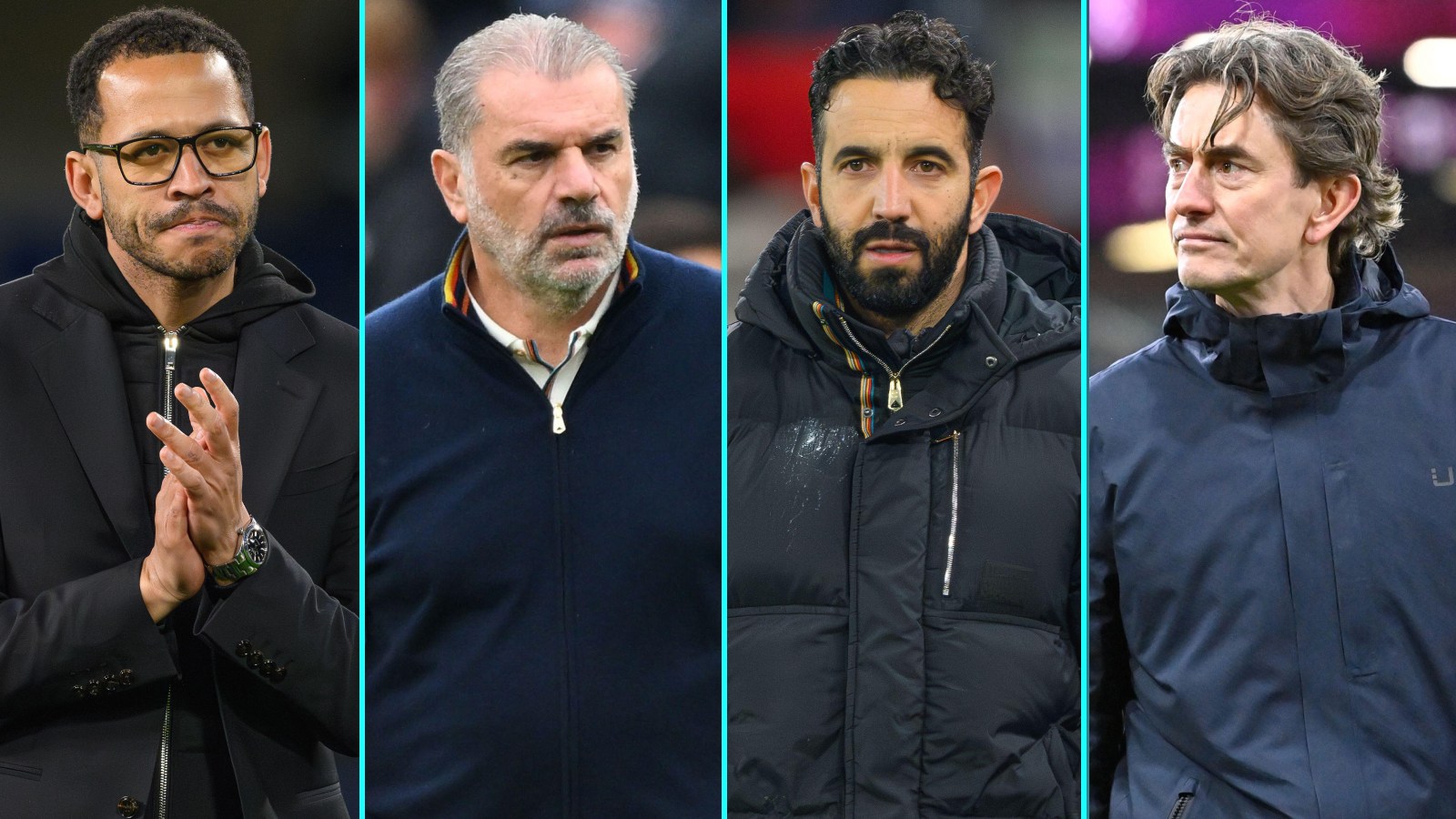
This has been an extraordinary season for all the wrong reasons when it comes to Premier League managers. Liam Rosenior's struggles at Chelsea are merely the latest chapter in what amounts to a masterclass in how not to run a football club.
The managerial carousel has spun relentlessly throughout 2025/26. Nuno Espírito Santo's tenure at Nottingham Forest barely survived the transition from summer into autumn before Evangelos Marinakis wielded the axe—one of the earliest sackings in Premier League history.
What followed was the curious case of Ange Postecoglou's appointment at Forest. The Greek-Australian manager presented a paradox: a trophy winner at Spurs who'd simultaneously overseen a 17th-place finish. Dropping him into a squad designed for a completely different tactical approach proved disastrous. Thirty-nine days and eight winless games later, he was gone.
Forest then panicked, turning to Sean Dyche for stability. The ship steadied somewhat, but danger signs remained. After 114 days, the club pivoted again, this time to Vítor Pereira—a man whose recent Wolves stint had yielded just two points from ten games. Remarkably, Pereira had only signed a new three-year contract 45 days before his dismissal at Molineux.
The chaos has extended to the bigger names. Tottenham's summer restructure saw Thomas Frank arrive from Brentford to replace Postecoglou. Frank proved competent at Brentford, but the step up to managing a club of Spurs' stature exposed his limitations. His inability to handle the egos and expectations at that level became apparent, compounded when his Arsenal sympathies and the infamous coffee cup incident turned supporters against him.
Igor Tudor was subsequently hired as the supposed firefighter to rescue Tottenham's season. Instead, the football deteriorated further. Tudor managed just two victories from seven matches, leaving the club barely clear of the relegation zone before departing.
Manchester United's investment in Ruben Amorim looked increasingly questionable. Despite a dreadful first season, the club backed him over the summer. Brief improvement followed, but his refusal to adapt tactically ultimately cost him his job. Michael Carrick has since arrived and simply deployed a conventional back four with players in their favoured positions—a far cry from Amorim's rigidity.
Then there's Chelsea's implosion. BlueCo's obsession with corporate synergy extended to the manager's office when they dispensed with Enzo Maresca—who'd clashed with the club's medical staff over team selection—and handed Liam Rosenior a six-year contract. The gamble has spectacularly backfired, with Chelsea enduring their worst run since 1912. Even Strasbourg's supporters are reportedly in revolt about becoming a feeder club for the London side.
What connects these failures? Poor ownership. Forest's problems stem from a trigger-happy proprietor siding with a sporting director over an established manager. Wolves' decline reflects years of selling assets without adequate replacement. Chelsea's approach has transformed Premier League contenders into a glorified academy with profit-flipping ambitions. Tottenham's revolving door of bad decisions suggests systemic dysfunction at boardroom level.
Not all failed managers share identical profiles. Frank was an experienced operator out of his depth at elite level. Maresca couldn't operate within the constraints imposed on him. Tudor and Rosenior arrived in the Premier League without managerial experience at this level and were expected to deliver immediate results.
The counterexample exists elsewhere. Brighton, Brentford, Bournemouth and Fulham have demonstrated what happens when thoughtful planning meets sound managerial appointments. Perhaps the biggest clubs should take note.
Compare options