Rosenior Insists Chelsea Move is Legitimate, Though the Evidence Suggests Otherwise
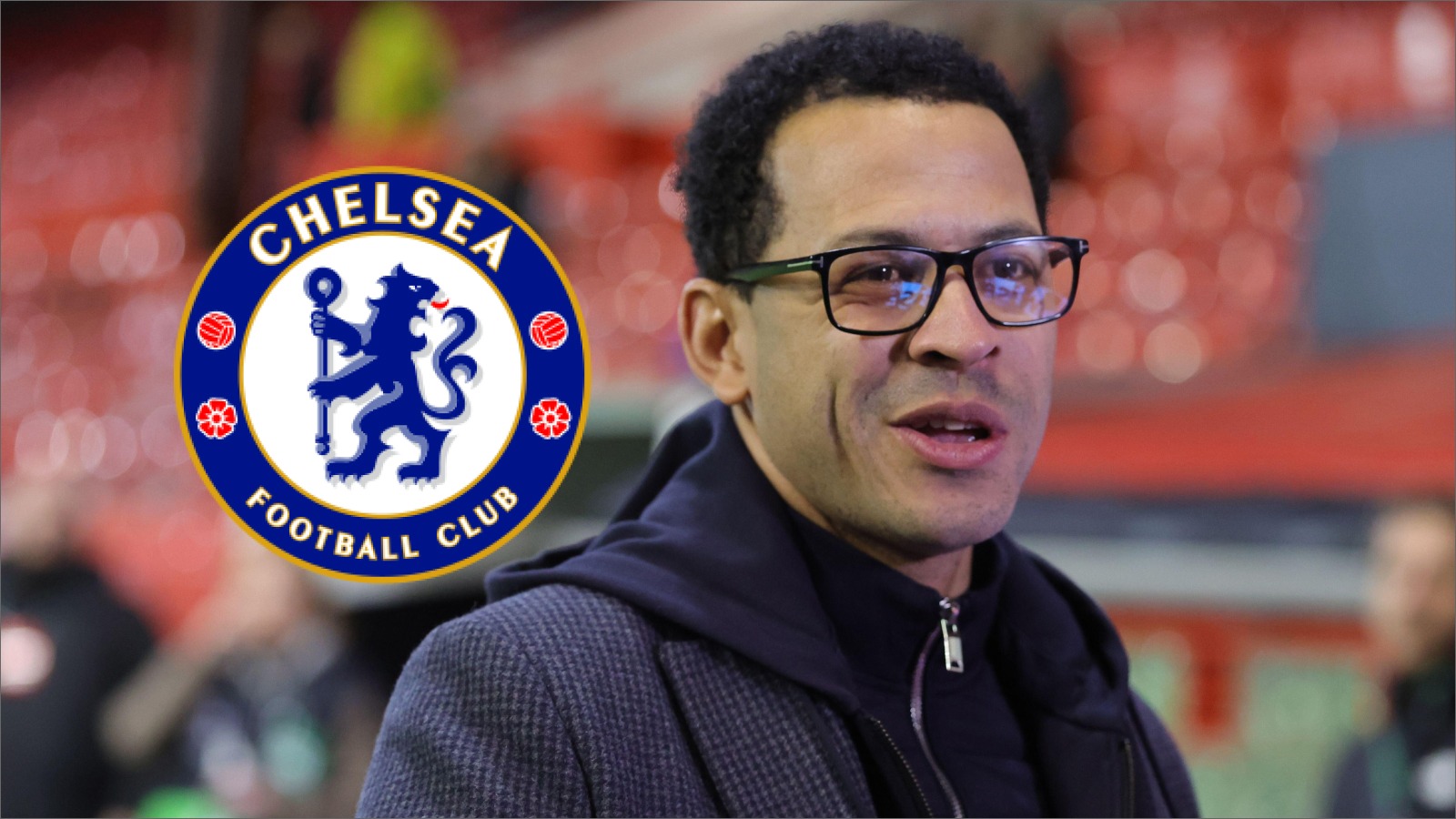
The elephant in Stamford Bridge's room has a name: Liam Rosenior. And he's very keen to tell you it's not actually an elephant at all.
Fresh from a weekend of negotiations in the capital, the Strasbourg manager pitched up in France one final time to announce his verbal agreement with Chelsea. The deal, he explained to journalists, should be rubber-stamped within hours. "Everything is agreed," he stated, before adding the sort of line that screams 'there's definitely nothing dodgy going on here': "I'm here because I care about this club and I thought it was important to answer your questions before I go on with the next stage of my career."
Subtle it wasn't. The subtext practically wrote itself.
The appointment raises an awkward question that Rosenior is determined to sidestep: when your current employer and your new employer are the same corporate entity, does the recruitment process actually mean anything? The manager himself says absolutely, it does. His appointment, he insists, follows the same logic as any other managerial move.
To support this claim, Rosenior pointed to interest from other elite clubs. "I have had interest from many clubs, including Champions League clubs, which I have always been open with to Marc Keller and our ownership," he said. "I will love this club for the rest of my life but I cannot turn down Chelsea."
That's quite a statement. Yet his CV hardly screams 'world-class operator pursued by continental royalty'. Yes, he worked as Wayne Rooney's assistant at Derby and earned plaudits for his coaching work there. But his Hull spell ended in dismissal after missing the play-offs, and his Strasbourg side currently sit seventh in Ligue 1. Habib Beye's Rennes, sitting one place higher, haven't exactly been inundated with Champions League advances.
Rosenior attempted to draw parallels with how Real Madrid, PSG, or Barcelona might poach a manager. There's a critical difference, though: those clubs would need to negotiate and potentially be refused. Strasbourg? They do what they're told. Their supporters simply have to accept it.
The manager was equally forthright about the hierarchy of his new workplace. "Strasbourg is not on as big a level as Chelsea," he said plainly. Fair enough—but perhaps not the sort of thing you broadcast when the club you're leaving exists partly to feed players and staff into your new one.
He also declared: "I hope fans understand that their manager has been identified as someone to be the coach of the world champions." Identified. Not recruited after a thorough process. Identified. The word choice alone tells you something.
Chelsea have handed him a six-and-a-half-year contract, which instantly makes him one of the longest-serving managerial appointments in the Premier League by deal length. Convenient, that, for financial accounting purposes.
The real question is whether Rosenior can actually operate with any independence at a club where, by all accounts, medical staff have as much say in team selection as the man in the dugout. Enzo Maresca walked away from that exact setup, apparently without significant compensation, because the frustration became unbearable. Ruben Amorim, meanwhile, has already discovered what happens when you clash with the structure.
Rosenior writes a regular column for the Guardian where he's shown willingness to speak plainly—even taking aim at Donald Trump. But will that candour survive contact with BlueCo's middle management? Don't bet on it. Rock the boat too hard, and he'll discover that six-and-a-half years on paper means nothing if the board decides you're more trouble than you're worth.
For now, though, Rosenior insists this is all perfectly normal. Just another managerial appointment. Nothing to see here. The fact that he feels compelled to keep saying so rather suggests the opposite.
Compare options