Rosenior's Handsy Management Approach Raised Red Flags From Day One at Chelsea
Making minds up on Rosenior
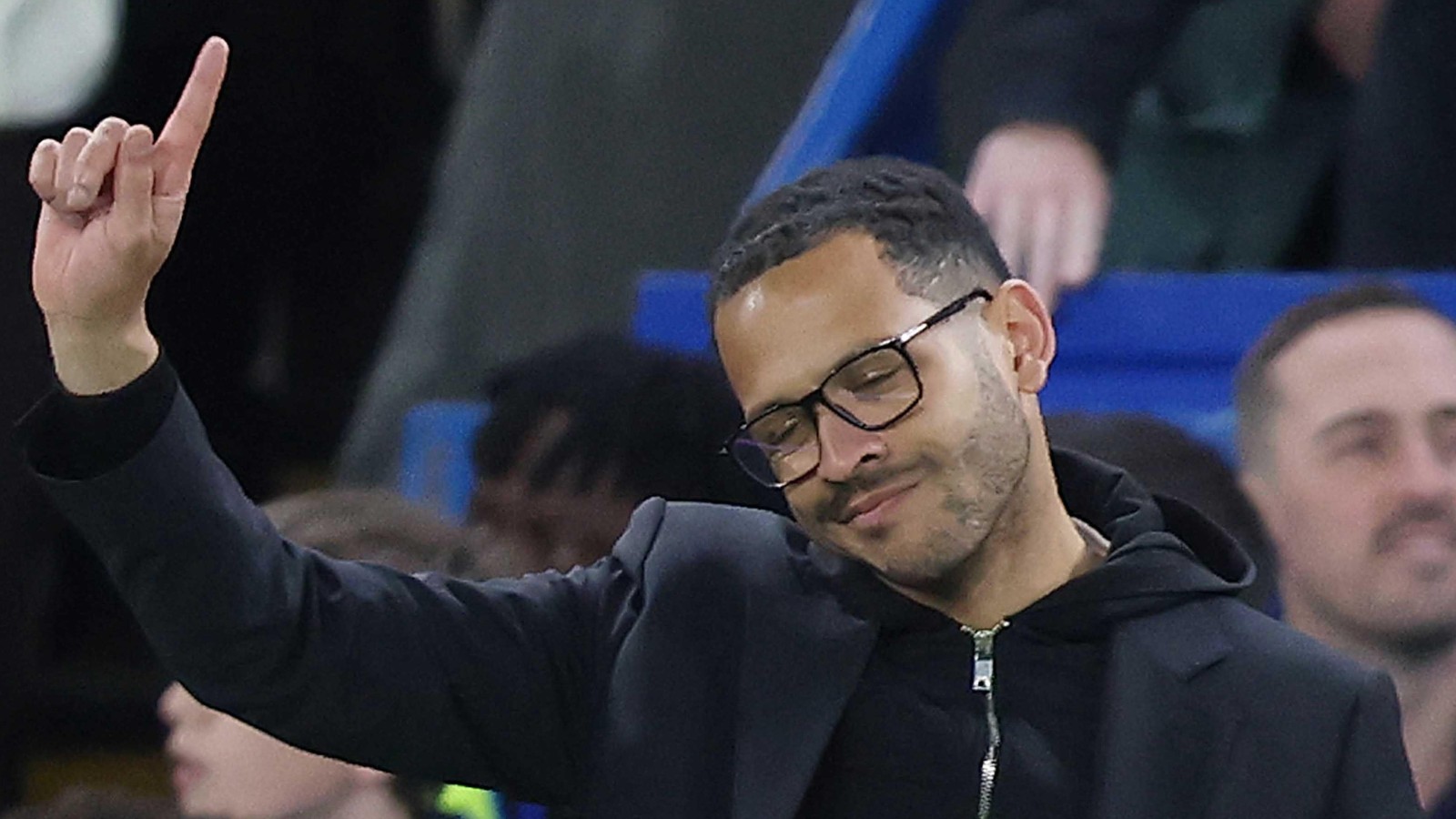
One supporter's recollection of Liam Rosenior's opening days at Chelsea offers a telling insight into what may have contributed to his swift demise. The manager's habit of placing his arms around players' shoulders and touching their faces—some of them senior figures barely younger than himself—struck this correspondent as presumptuous and tone-deaf.
The critic argues that regardless of managerial philosophy, such immediate physical intimacy comes across as arrogant and self-unaware. Building genuine relationships, they suggest, requires time and patience across all walks of life. Walking into a workplace and imposing affection on people you've just met sends the message that you believe yourself omniscient about their needs and expect instant obedience—a dangerous foundation for any coaching environment.
The writer questions whether Rosenior possessed an extensive network of player relationships before arriving at Stamford Bridge. Even if he had, the touchiness seems premature. They also draw parallels to managers over the years who've patted players' cheeks during handshakes and pre-match greetings, citing this as disrespectful. It's simply a matter of respecting boundaries, they argue—something learned in childhood.
The correspondent acknowledges that coaches require conviction in their methods, but insists there's a way to project belief without coming across as unpleasant.
The Barber of Stamford Bridge
One reader spotted something unusual in John Brewin's Guardian report on Chelsea's Brighton defeat: a reference to Cole Palmer's absence being leaked through Marc Cucurella's barber.
The correspondent finds this odd for several reasons. First, why would a journalist publicly reveal a source? Second, how does a journalist know and apparently follow a player's barber? Third, isn't the journalist potentially damaging future access by outing a player's information breach?
They note it's unclear whether Brewin harboured any particular grudge against Cucurella for leaving Brighton, though they can't fathom why he'd single out the Spaniard rather than Robert Sanchez or Moises Caicedo, who also featured in the match. Regardless, the reader found it refreshing—if unusual—for a journalist to be candid about their sourcing, though Cucurella's barber likely won't remain a reliable contact for much longer.
Chelsea's Perverse Path to the Champions League
A correspondent from New York raises a genuinely intriguing mathematical possibility: could Chelsea soon find themselves hoping Liverpool wins against them?
If Chelsea fall 7-9 points behind Liverpool with the title race effectively over, a Reds victory could knock Aston Villa down to fifth place, opening a potential Champions League qualification spot via the Europa League route. It's a nightmare scenario for the club's hierarchy—their sole path to European football requiring them to lose a match they should be fighting to win.
Has Anyone Actually Asked Carrick?
Following Manchester United's unexpected victories over major rivals, speculation continues to swirl about Michael Carrick's future as permanent manager. One reader poses a simple question: has anyone actually asked if he wants the job?
They suggest Carrick's representatives might be strategically leaking interest in other vacancies—Crystal Palace, Chelsea's soon-to-be-vacant post, or even Arsenal—to create competitive tension and accelerate INEOS's decision-making process. It probably won't happen, but it would certainly be entertaining.
Garnacho Deserves Better Than Social Media Obscurity
A Manchester United supporter expresses sympathy for Alejandro Garnacho's trajectory despite the schadenfreude that normally accompanies a rival's decline. They acknowledge the Argentine winger deserves ridicule for various missteps, particularly his social media antics, but remain hopeful he can turn things around.
When Garnacho first broke through, he outperformed Jadon Sancho and should have claimed his spot earlier. The potential was evident. Fast forward and his Instagram presence has overshadowed his pitch performances. The writer urges Garnacho to study his idol Cristiano Ronaldo's work ethic—the discipline that transformed Ronaldo from a raw talent into one of football's all-time greats.
They believe Garnacho needs to abandon social media, move away from the Premier League, and rebuild from scratch. Young footballers everywhere should take note: social media is a career hazard, not a career accelerator.
The Simple Joy of Watching Arsenal Suffer
One reader pushes back against Johnny Nic's recent piece questioning the pettiness of mocking Arsenal's title collapse, arguing that tribalism is fundamentally woven into football fandom. Finding rival teams to lord it over—whether through local derbies, trophy celebrations, or schadenfreude—is central to the experience.
When your own team isn't winning silverware, it's natural to fixate on a competitor's misery. Arsenal, managed by a man of theatrical intensity whose wild celebrations mirror an oversensitive schoolchild, combined with a fanbase that annoys neutrals and a brand of football that's been eye-wateringly dull, makes them the perfect target.
The correspondent argues that enjoying Arsenal's potential failure doesn't mean rooting for Manchester City. It's simply the lesser evil. City have won so much that their victories barely register as news anymore; their fans are easy to dismiss given the accepted narrative of financial doping. Arsenal's collapse, by contrast, is genuinely entertaining.
Another reader simply counters: it's fun. Just fun. Wanting Tottenham relegated, meanwhile—that feels dirty, sad, and wrong, yet supporters want it anyway.
Why City Never Choke When It Counts
A neutral observer was impressed by Manchester City's second-half dominance against Arsenal, particularly their flowing, confident football. This prompted reflection on why City consistently deliver in title races while others crumble.
The writer concludes it's a matter of pressure—or rather, the absence of it. Most people don't care about City, allowing their players to perform with mental freedom. There's no microscopic scrutiny on squad players' misplaced passes. Ben White or Kostas Tsimikas face endless post-match analysis; City's equivalents don't.
Arsenal and Liverpool, by contrast, endure relentless media dissection. This scrutiny creates pressure that manifests on the pitch. City only genuinely choke against Real Madrid in the Champions League—the one competition where they face equivalent pressure and expectations. While all City's titles carry an asterisk due to financial irregularities, their players have undeniably enjoyed an easier domestic ride than any genuine title challengers.
Haaland's Honesty Cost City the Title
One reader argues that if Erling Haaland had theatrically gone to ground following Gabriel's headbutt, the Arsenal defender would have received a red card and missed three of five remaining fixtures. Instead, Haaland's honest reaction may prove costly to City's title hopes.
Perhaps, the correspondent suggests, Haaland needs to recalibrate his understanding of English refereeing standards. Honesty, unfortunately, isn't always the best policy in the Premier League.
The Uncomfortable Truth About Spending Rules
A Liverpool supporter raises uncomfortable questions about Premier League financial regulations, drawing parallels to American constitutional history and its perverse outcomes.
The rules ostensibly protect clubs from reckless ownership but may actually serve to entrench the existing hierarchy. Promoted clubs regularly get relegated; the top 15 benefit from predictable turnover. Even mid-table sides have incentive to maintain the status quo. The regulations make sense for preventing catastrophic mismanagement—see Sheffield Wednesday—but do they equally address state-backed vanity projects?
The writer questions why football operates differently from other sports. Phil Mickelson received $100 million from LIV Golf without generating viewership; he'll simply move elsewhere if it collapses. Footballers have the same global opportunities. Perhaps the focus should shift to strengthening the "fit and proper owner" test rather than spending caps.
The correspondent highlights the hypocrisy of ownership standards: Arsenal's current proprietor, despite his wealth derived from property speculation and marriage to Walmart money, somehow passes scrutiny. The previous oligarch owner at least had no one to expose his background—anyone who might have blown the whistle is already dead.
Everton's Response to Liverpool Grievance
An Everton supporter responds to the previous week's Liverpool correspondent, suggesting that 95% of their rivals' fanbase embarrass themselves through constant grievances.
They defend their stadium announcer's historical reference and question why Liverpool fans remain bitter about the Virgil van Dijk incident from years past, particularly after winning the match. The Everton correspondent models how to handle rivalry with grace: acknowledge the opponent's quality, accept your own shortcomings, and move on.
They believed a draw was fair but didn't begrudge Liverpool's victory. The tone-deaf complaints from across Stanley Park only reinforce negative stereotypes. Meanwhile, Beto is proving himself a decent player, though Barry remains unconvincing.
Compare options