Leeds Face Environmental Reality Check as Premier League Sustainability Rankings Reveal Stark Gap
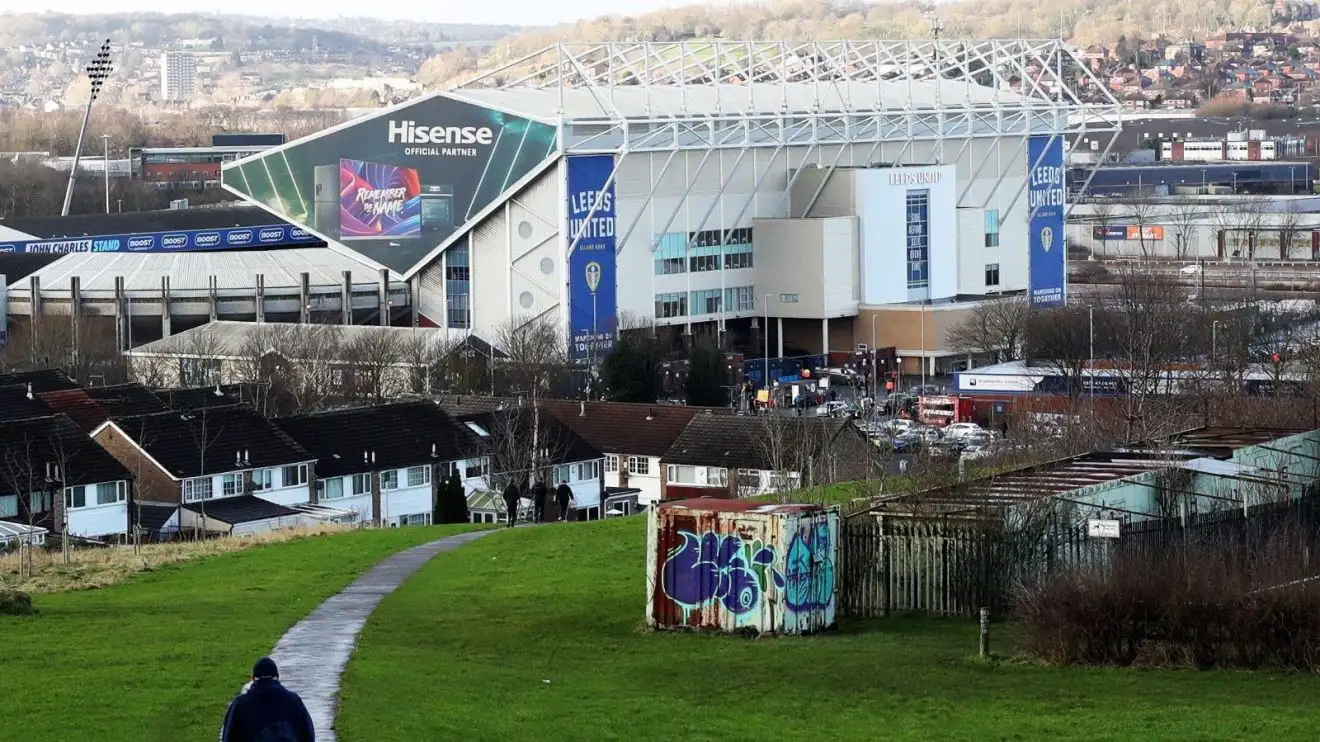
Just as Leeds have clawed their way back to the Premier League, they find themselves in rather less desirable company when it comes to environmental performance. A new study from data firm Tipman Tips has comprehensively assessed all 20 top-flight clubs across their ecological credentials – and the Yorkshire outfit's showing makes for uncomfortable reading.
The ranking examined four crucial areas: the breadth of meaningful sustainability initiatives; pollution levels around club operations; transport-related CO₂ emissions; and the extent of green space surrounding each stadium. Unlike the usual corporate sustainability blurb that tends to promise much and deliver little, this report focused on hard, measurable data rather than warm words.
Brighton & Hove Albion emerge as the Premier League's environmental leaders with a score of 80.6 out of 100. The Seagulls have built their credentials through relatively modest transport emissions – comfortably below the league average – plus significant green space around the Amex Stadium and a genuine commitment to renewable energy, water reuse and waste reduction schemes.
Brentford and Tottenham Hotspur complete the podium places, with Chelsea and Fulham rounding out the top five. All five have woven sustainability into their operational fabric rather than treating it as an afterthought.
At the other end, Leeds' score of 5.4 leaves them propping up the entire league. The culprit? Transport emissions, predominantly. The club recorded the highest carbon footprint from travel of any Premier League side, with a staggering 1.4 million tonnes of CO₂ attributed to movement alone. Compounding matters, Elland Road sits in an area with just 8.04 hectares of green space – a pittance compared to what their peers can offer.
For a club whose supporters, players and backroom staff traverse the country 19 times annually, travel patterns represent perhaps the most visible environmental impact. Research indicates that domestic flights by Premier League sides in 2024/25 stretched to tens of thousands of miles across more than a hundred separate journeys. Each flight abandoned in favour of rail or coach represents meaningful carbon savings.
Leeds haven't been entirely idle on the environmental front. They recently secured a Bronze Award in the Green Clubs Scheme, with measures including locally sourced vegetarian and vegan catering and an on-site herb garden at their training complex. Yet these initiatives barely dent the enormous travel emissions and sparse green infrastructure handicaps.
The path forward demands both pragmatism and ambition. Several EFL clubs have already embraced Pledgeball's Sustainable Travel Charter, which pushes clubs to prioritise low-emission transport for away fixtures and engage supporters in greener matchday travel. Leeds could adopt similar schemes, shifting towards rail and coach for shorter journeys whilst incentivising fans towards public transport, car-sharing or cycling. Such changes would meaningfully reduce their transportation carbon footprint.
Infrastructure and operational changes matter too. While Elland Road's historic urban setting limits flexibility on surrounding green space, Leeds could pursue biodiversity initiatives, green roofing and community planting schemes that enhance local ecology and air quality. Tottenham has demonstrated what's possible through extensive nature monitoring and biodiversity projects, proving there's no single template – merely a range of options available.
Ultimately, embedding sustainability into the club's strategic DNA rather than treating it as a public relations exercise represents the real challenge. Brighton's ascendancy didn't stem from one flagship policy but rather a collection of interconnected measures that permeate their entire organisation – from stadium management to supporter engagement to decision-making that weighs environmental factors alongside financial ones.
For Leeds, the immediate imperative is unmistakable: slash emissions, particularly from travel, and do so urgently. If the club harbour serious ambitions about matching their on-pitch aspirations with off-field responsibility, then residing at the bottom of an environmental ranking simply cannot become the norm. That's a target both the fanbase and the wider football community can readily support.
Compare options